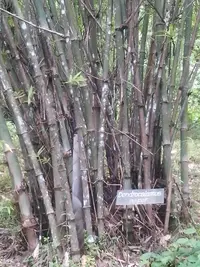
Aloysia Care (Aloysia polystachya)

Also known as: beebrushes
Aloysia

About Aloysia

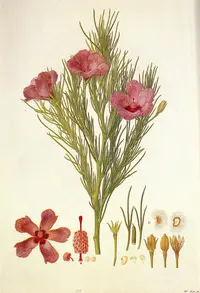
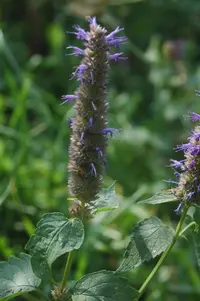
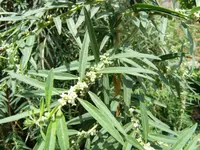
Aloysia polystachya is a fragrant, shrubby herb in the verbena family, valued for its aromatic leaves and fine, airy foliage. It often forms a loose, upright clump with slender stems and small, soft green leaves.

This species is native to South America, where it grows in warm, sunny regions with well-drained soils. In cultivation it is usually grown for its scent and light ornamental effect rather than for showy flowers.

Its moderate growth rate and preference for sun and drainage make it manageable for most home gardeners. Those learning how to care for Aloysia mainly need to provide good light, avoid waterlogged soil, and protect it from frost or severe cold.

Main Plant Requirements

Care Difficulty

Moderate Care

Light Preference

Full Sun

Water Requirements

Moderate Water

Temperature Preference

Warm Climate

Hardiness Zone

9–11

Soil Texture

Sandy, Loamy, Organic-rich

Soil pH

Slightly acidic (6.5–7.0), Neutral (7.0)

Soil Drainage

Well-drained

Fertilization

Minimal (feed rarely)

Get Personalized Care Plan

Scan your plant to receive care tips personalized for your specific plant

Available on iOS and Android

How to Care for the Aloysia

This sun-loving shrub needs bright conditions but benefits from some daily protection from harsh midday rays.

  • Provide 6–8 hours of direct sun, favoring morning sun with light afternoon shade, especially in hot summer climates.
  • Tolerates light partial shade (around 4 hours direct sun) but flowering and fragrance decline if light drops much lower.
  • In very hot regions, use filtered light or dappled shade in midafternoon to prevent leaf scorch, and consider moving Aloysia slightly shadier in peak summer.

This plant prefers evenly moist but not saturated soil, with slight drying between waterings.

  • Water when the top 3–5 cm of soil feels dry, applying enough to moisten the root zone, then let excess drain away fully.
  • Reduce watering in cool seasons when growth slows, but never allow the soil to stay bone-dry for long periods.
  • Watch for yellowing, soft leaves as a sign of overwatering and very limp, crisp foliage as a sign of underwatering in Aloysia polystachya.

This species grows best in warm, frost-free conditions with moderate seasonal variation.

  • Aim for 65–80°F (18–27°C) during active growth for strongest shoots and flowering.
  • Protect from cold below 30°F (-1°C); light frost may damage leaves, while harder freezes can kill stems or the whole plant.
  • In hot areas above 90°F (32°C), provide mulch and some afternoon shade to keep roots cooler and reduce heat stress on Aloysia polystachya.

This species handles typical household air but prefers slightly fresh, moderately humid conditions.

  • Aim for 40–60% humidity; it tolerates short dips lower but prolonged very dry air slows growth and leaf production.
  • Watch for crisp leaf edges, repeated leaf drop, and stalled new shoots as signs that air is too dry.
  • Increase humidity by grouping pots, placing the container on a pebble tray with water below the pot base, or running a nearby humidifier.

Aloysia polystachya grows best in light, fast-draining, slightly fertile soil that never stays waterlogged.

  • Use a loose mix such as 50–60% peat- or coir-based potting mix plus 20–30% coarse sand and 20% perlite for structure and drainage.
  • Aim for slightly acidic to neutral pH around 6.0–7.0, which supports nutrient availability without encouraging salt buildup.
  • Improve aeration by incorporating coarse particles like perlite, pumice, or fine bark rather than relying only on compost or garden soil.
  • Avoid heavy clay, compacted, or constantly wet substrates, which promote root rot and weak, shallow root systems.

This shrub is well suited to container growing when the pot supports its woody root system and branching canopy.

  • Choose a deep, heavy pot that resists tipping as stems lignify and the plant becomes more top-heavy in windy spots.
  • Select containers with large, unobstructed drainage holes so excess irrigation water leaves the root zone within a few minutes.
  • Use a slightly wider-than-rootball diameter to give lateral roots room while preventing a large unused soil volume that stays cold and wet.

This species benefits from modest, consistent feeding during the warm growing season to support leafy growth and flowering.

  • Use a balanced liquid fertilizer around 10-10-10 or 20-20-20 at 1/2–1/4 strength every 4–6 weeks in spring and summer.
  • Alternatively, apply a light layer of well-rotted compost or a mild organic fertilizer to the root zone once in spring.
  • For containers, a slow-release granular fertilizer can be mixed into the top 2–3 in of potting mix at the start of the season.
  • Stop feeding in fall and winter to allow Aloysia to rest and avoid soft, frost-sensitive growth.

Thoughtful pruning keeps Aloysia polystachya compact, healthy, and productive.

  • Carry out main pruning in late winter or early spring before strong new growth starts.
  • Remove dead, damaged, crossing, or very crowded stems first, using sharp, clean hand pruners.
  • Shorten long, leggy shoots to encourage branching and a fuller, bushier outline.
  • Lightly trim after flowering if needed to maintain shape without removing too much new wood.

This shrub tolerates occasional transplanting but prefers stable conditions once established.

  • Plan major transplanting or repotting in early spring when active growth is about to resume.
  • Look for roots circling the pot, pushing through drainage holes, or noticeably slower growth as signs it needs more space.
  • For containers, shift to a pot 2–5 cm wider, keeping the root ball intact and using a free-draining mix.
  • Water thoroughly after moving Aloysia polystachya, keep out of harsh sun for 3–5 days, and avoid heavy pruning at the same time.

New plants are most often produced from semi-ripe cuttings during the warm months.

  • Take 8–12 cm semi-ripe stem cuttings in late spring or summer from non-flowering shoots.
  • Remove lower leaves, dip the cut end in rooting hormone, and insert into a free-draining mix of perlite and peat or coco coir.
  • Maintain high humidity and gentle bottom warmth around 70–75°F with bright, indirect light for rooting.
  • Seeds can also be sown in spring in a light, well-drained seed mix kept slightly moist but never waterlogged.

This species has limited frost tolerance and benefits from simple winter precautions in cooler climates.

  • In regions colder than USDA zone 9, grow Aloysia polystachya in containers that can be moved indoors before frost.
  • Outdoors, add a 5–8 cm layer of mulch around the root zone, keeping it slightly away from the main stems.
  • In frost-prone areas, use frost cloth or a breathable cover on very cold nights, especially for young plants.
  • Indoors, overwinter in bright light at 50–60°F, with reduced watering to keep the soil just barely moist.

Care Tips

Pinch For Bushiness

Regularly pinch 1–2 cm of soft shoot tips during active growth to encourage denser branching and more flowering spurs along each stem.

Timed Harvesting Cuts

Harvest leaves and young stems in the morning and treat each harvest as a light pruning, cutting just above a node to stimulate quick, compact regrowth.

Cold Season Protection

In regions with frost, grow Aloysia polystachya in a large container that can be moved under cover for winter, and reduce watering sharply once night temperatures fall below 50°F.

Root Zone Mulching

Apply a 3–5 cm layer of light organic mulch around the root zone, keeping it 3–5 cm away from the stems, to stabilize soil moisture and protect the shallow roots from heat stress.

Integrated Pest Monitoring

Inspect the undersides of leaves and young shoots every 1–2 weeks, and at the first sign of mites or whiteflies use a strong water spray followed by a labeled horticultural soap rather than waiting for a heavy infestation.

Common Pests and Diseases

Whiteflies

These insects are attracted to the soft new growth and underside of leaves, feeding on sap and weakening shoots. Symptoms include small white moth-like insects flying up when the plant is disturbed and sticky honeydew on foliage.

Solution

Reduce plant stress by providing full sun and good air movement, then use a strong stream of water to wash adults and nymphs from leaf undersides every few days. If populations persist, apply insecticidal soap or a neem oil spray directed carefully to the undersides of leaves, repeating weekly until activity drops, which is a core part of Aloysia polystachya care.

Citrus mealybugs

This pest often shelters in leaf axils and along stems, appearing as white cottony clusters and causing yellowing, leaf drop, and stunted growth. Honeydew and sooty mold can develop where they feed.

Solution

Isolate affected plants, then dab visible mealybugs with cotton swabs dipped in 70% isopropyl alcohol to kill them on contact. Follow with thorough applications of insecticidal soap or neem oil at 7–10 day intervals, paying attention to stem joints and hidden areas, and prune out heavily infested shoots if practical.

Spider mites

These pests thrive on Aloysia in hot, dry conditions, causing fine stippling on leaves, dull foliage, and in heavy cases fine webbing between leaves and stems. This pest can cause premature leaf drop if not controlled early.

Solution

Increase humidity around the plant, then hose the plant down thoroughly, focusing on leaf undersides to remove mites and webbing. Repeat washing every few days and, if needed, use insecticidal soap or a horticultural oil, applied in the cool part of the day and repeated 2–3 times to break the life cycle.

Leaf spot

This disease presents as small brown to dark spots on leaves that may enlarge and merge, especially in warm, humid, and crowded conditions. Symptoms include premature yellowing and shedding of affected foliage from the lower parts of the plant upward.

Solution

Remove and discard affected leaves, then thin crowded stems to improve airflow and allow foliage to dry quickly after rain or irrigation. Avoid overhead watering and, if spotting continues to spread, apply a copper- or chlorothalonil-based fungicide labeled for ornamental shrubs, following label intervals until new growth appears clean.

Powdery mildew

This disease appears as white to gray powdery patches on young leaves and tender stems, which can curl, distort, and lose vigor. Symptoms include reduced aromatic foliage quality and slower growth in shaded or poorly ventilated sites.

Solution

Improve light exposure and air circulation by pruning dense, inner stems and avoiding overcrowding with nearby plants. Remove heavily infected leaves and, if needed, treat with a sulfur-based or potassium bicarbonate fungicide labeled for powdery mildew, applying every 7–14 days until new growth remains free of symptoms.

Interesting Facts

Soapy leaf aroma

When crushed, the leaves release a fragrance often described as similar to soap or clean laundry, distinct from the lemon scent of its better-known relative Aloysia citriodora.

Native South American shrub

This species is naturally distributed in parts of South America, including Paraguay, northern Argentina, and neighboring regions, where it grows as a small shrub in warm, open habitats.

Member of verbena family

The plant belongs to the Verbenaceae family, the same family as lemon verbena and many ornamental verbenas, sharing features like opposite leaves and small tubular flowers arranged in spikes.

FAQs about Aloysia

Leaf browning usually comes from low humidity, excess fertilizer salts, or intense direct sun scorching the foliage. Flush the soil, trim damaged leaves, and adjust placement and humidity to prevent further tissue damage and stress.

Grow Healthy Plants with Botan Care

Keep your plants happy and healthy with plant identification, disease detection, and easy care guidance.

Botan plant care app — identify plants on mobile

Explore More Plants