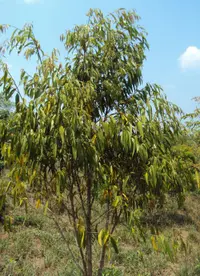
jackal jujube Care (Ziziphus oenopolia)

jackal jujube

About jackal jujube

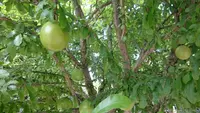
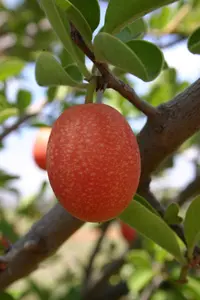
Ziziphus oenopolia, commonly called jackal jujube, is a thorny, scrambling shrub or small climber from the buckthorn family. It often forms dense, tangled thickets. The plant has small, glossy leaves, sharp spines, and small fruits that ripen from green to darker shades, providing food for wildlife in its native range across South and Southeast Asia. It typically grows in dry, open habitats, hedgerows, and disturbed sites, showing strong tolerance to heat and drought. This rugged nature makes it relatively resilient but the thorns and vigorous growth can be challenging in small gardens. Those who want to care for jackal jujube should provide sun, well-drained soil, and space for its spreading growth.

Main Plant Requirements

Care Difficulty

Moderate Care

Light Preference

Full Sun

Water Requirements

Low Water

Temperature Preference

Tropical / Frost Sensitive

Hardiness Zone

10–12

Soil Texture

Sandy, Loamy, Rocky

Soil pH

Slightly acidic (6.5–7.0), Neutral (7.0)

Soil Drainage

Well-drained

Fertilization

Minimal (feed rarely)

Get Personalized Care Plan

Scan your plant to receive care tips personalized for your specific plant

Available on iOS and Android

How to Care for the jackal jujube

This sun-loving shrub performs best in bright, open sites with warm conditions.

  • Provide 6–8 hours of direct sun daily; full sun promotes dense growth and better fruiting in jackal jujube.
  • Tolerates light partial shade, especially with morning sun and light afternoon shade in very hot climates, but dense shade causes leggy, weak shoots.
  • In summer, avoid reflected heat from walls or paving if leaves scorch; in winter, choose a site with unshaded exposure for maximum low-angle sun.

This drought-tolerant shrub prefers deep, infrequent watering rather than constant surface moisture.

  • Allow the top 5–8 cm of soil to dry before watering again; soil should feel dry to the touch and look lighter in color.
  • Use well-drained, gritty or sandy soil so water moves through quickly; standing water or a sour smell indicates poor drainage and risk of root rot in Ziziphus oenopolia.
  • In hot, dry seasons, watch for dull, curling leaves as a sign to water, while yellowing leaves and persistent wet soil suggest overwatering.

This species is adapted to warm climates and tolerates considerable heat once established.

  • Ideal growing temperatures are 70–90°F (21–32°C), where shoot growth and flowering are most active.
  • Mature plants usually survive down to about 28–30°F (-2 to -1°C) if frosts are brief, but young plants are more damaged by cold snaps.
  • Tolerates hot spells up to 100–105°F (38–41°C) if soil is not waterlogged; in cooler regions, plant in the warmest, most sheltered microclimate to extend the season.

This species is drought-adapted and humidity is rarely a concern for healthy growth.

This thorny shrub prefers lean, well-drained soil that mimics its native dry habitats.

  • Use a sandy or sandy-loam mix with low to moderate organic matter to avoid excess moisture retention.
  • Aim for slightly acidic to neutral pH around 6.0–7.5, which supports nutrient availability without stressing roots.
  • Mix coarse sand or fine gravel into native soil to improve drainage and root aeration, especially in heavier substrates.
  • Avoid compacted clay, waterlogged areas, or thick peat-based mixes that stay wet and promote root rot in Ziziphus oenopolia.

This species can be grown in containers, but long-term performance is better in open ground.

  • Choose a deep, heavy container that resists tipping as the plant becomes woody and develops a spreading canopy.
  • Fill the pot with a very fast-draining gritty mix so water runs through within seconds rather than pooling at the bottom.
  • Position the container where wind exposure is limited, since a tall, thorny framework can act as a sail and stress the root ball.

This tough, slow-growing jackal jujube usually needs only light feeding in lean soils.

  • Use a balanced, slow-release fertilizer (around 10-10-10) or well-rotted compost in early spring to support new growth.
  • Apply a modest amount once per year during the main growing season; avoid high nitrogen products that force soft growth.
  • In containers or very poor soils, use a half-strength liquid balanced feed every 4–6 weeks in spring–summer only.
  • Stop feeding in late summer so shoots harden before cold weather, and do not fertilize during winter dormancy.

Pruning Ziziphus oenopolia focuses on safety, structure, and access rather than heavy shaping.

  • Carry out main pruning in late winter to early spring before vigorous new growth begins.
  • Remove dead, diseased, crossing, or inward-growing branches first, then thin crowded interior shoots for light and airflow.
  • Shorten overly long or low branches to maintain a manageable, open framework and encourage strong new shoots.
  • Use sharp bypass pruners or a clean pruning saw, making cuts just above buds or branch collars without leaving stubs.

This species is usually grown in the ground, and transplanting young plants is easier than moving older specimens.

  • Transplant in late winter to early spring while dormant, before strong new growth starts.
  • Look for roots circling a nursery pot, slow growth, or frequent drying as signs a container plant needs a larger pot.
  • Shift up only 1 pot size, using a gritty, well-drained mix, and keep the root ball as intact as possible.
  • Water thoroughly after planting, then keep soil evenly moist (not saturated) for several weeks to limit root stress and encourage establishment.

Ziziphus oenopolia is usually propagated from seed or semi-hardwood cuttings under warm conditions.

  • Collect ripe fruits, clean seeds, and sow them in a free-draining mix; warm temperatures (70–80°F) support germination.
  • Lightly scarify or soak seeds overnight to help water penetration and improve uniform germination.
  • Take semi-hardwood cuttings in late spring–summer, 10–15 cm long, with 2–3 nodes each.
  • Use rooting hormone, place cuttings in a humid, bright but shaded environment, and keep the medium just moist until rooted.

Mature plants are fairly tolerant of brief light frosts but young Ziziphus oenopolia benefit from simple winter precautions in colder areas.

  • In regions below about 25°F, position plants in a sheltered site, such as near a south-facing wall.
  • Apply a 5–8 cm mulch layer around the root zone in late fall, keeping it slightly away from the stem.
  • Wrap young trunks with breathable fabric or use a loose shrub cover during hard freezes, removing it once temperatures rise.

Care Tips

Install sturdy support

Provide a strong fence, trellis, or wires early on and tie young shoots loosely with soft ties so the long, thorny stems are guided where you want them and do not become an impenetrable tangle.

Thorn-safe handling

Use thick gloves, long sleeves, and eye protection when pruning or harvesting, and keep access paths clear so the sharp spines do not injure people or snag clothing.

Targeted pest scouting

Inspect tender new growth and the undersides of leaves every 1–2 weeks for scale insects and leaf-chewing caterpillars, and spot-treat early with horticultural oil or hand removal instead of waiting for heavy infestations.

Fruit quality thinning

If branches set very dense clusters of fruit, selectively remove some developing fruits by hand so the remaining ones size up better and the branches are not stressed or broken by excess weight.

Regrowth management

After cutting back older branches, monitor the base and roots for vigorous suckers and remove unwanted shoots while still soft so energy is directed into the main framework you want to keep when growing jackal jujube.

Common Pests and Diseases

Fruit borer

This pest tunnels into developing fruits, causing internal feeding damage, premature fruit drop, and small exit holes on the fruit surface. Symptoms include frass (sawdust-like droppings) around the entry point and shriveled, unmarketable fruit.

Solution

Collect and destroy infested fruits as soon as damage is noticed to break the life cycle, and prune to maintain an open canopy that makes it harder for moths to hide and lay eggs. If damage is recurring, use pheromone or light traps to monitor adult moths and apply a targeted biological insecticide containing Bacillus thuringiensis to young larvae according to label directions.

Leaf-eating caterpillars

These insects feed on young leaves and tender shoots, creating holes, notches, or near-complete defoliation in severe cases. This pest can slow growth and reduce flowering and fruit set.

Solution

Handpick visible caterpillars in small plantings and remove heavily infested shoots to reduce feeding pressure. At early stages of infestation, use a biological spray with Bacillus thuringiensis on actively feeding larvae and encourage natural predators by avoiding broad-spectrum insecticides.

Scale insects

These insects attach to stems and leaf undersides, sucking sap and causing yellowing, reduced vigor, and occasional dieback of small twigs. This pest often produces honeydew that supports sooty mold growth on leaves and fruit.

Solution

Scrape or wipe off localized colonies with a soft brush or cloth and prune out badly infested twigs. For larger infestations, apply horticultural oil thoroughly to branches and leaf undersides during a mild, dry period to smother scale, repeating as needed according to label guidelines.

Powdery mildew

This disease produces white to gray powdery patches on leaves, young stems, and sometimes fruits, especially under warm, dry conditions with high humidity at night. Symptoms include leaf curling, distortion, and gradual reduction in plant vigor if infections recur.

Solution

Improve air circulation by thinning crowded branches and avoid overhead watering that keeps foliage damp for long periods. Remove and dispose of heavily infected leaves and, if needed, apply a sulfur or potassium bicarbonate fungicide preventively during high-risk weather, following label directions carefully as part of broader Ziziphus oenopolia care.

Leaf spot

Symptoms include small brown to dark spots on leaves that may enlarge, merge, and cause partial leaf yellowing and early leaf drop. This disease tends to worsen in warm, wet weather and in dense, shaded canopies.

Solution

Collect and discard fallen leaves to reduce the source of infection and keep irrigation directed at the soil rather than the foliage. Where disease pressure is high, prune to open the canopy and, if necessary, use a copper-based fungicide during the rainy period, ensuring good coverage of both upper and lower leaf surfaces.

Interesting Facts

Hooked defensive spines

This shrub develops strong, backward-curved spines along its branches, an adaptation that protects it from browsing animals and also allows stems to hook into surrounding vegetation for support.

Fruit for wildlife dispersal

Its small, reddish to purplish drupes are eaten by birds and other animals, which then disperse the seeds through their droppings, helping the species colonize dry, open habitats.

Adapted to harsh sites

The plant commonly grows in scrub, dry forests, and rocky hillsides across South and Southeast Asia, showing high tolerance to drought, poor soils, and high sunlight exposure.

FAQs about jackal jujube

The small fruits are edible but astringent and usually eaten only when fully ripe or processed. In traditional medicine, fruits and other parts are used cautiously. Always confirm correct identification before consuming any wild-harvested material.

Grow Healthy Plants with Botan Care

Keep your plants happy and healthy with plant identification, disease detection, and easy care guidance.

Botan plant care app — identify plants on mobile

Explore More Plants