Rubus nigricans Care

Rubus nigricans

About Rubus nigricans

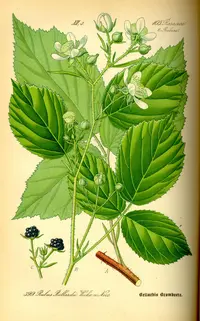
Rubus nigricans is a deciduous bramble species in the rose family, related to blackberries and raspberries. It typically forms arching, prickly canes with compound leaves and small, dark fruits.

This species is native to parts of Europe and tends to grow in forest edges, thickets, and other semi-wild habitats. It spreads mainly by canes that root where they touch the ground.

Once established, it is generally hardy and tolerant of cool to temperate climates, but its vigorous growth and thorns can make handling and pruning more demanding. Understanding how to care for Rubus nigricans starts with providing sun to partial shade, moderately moist soil, and room for its canes to develop.

Main Plant Requirements

Care Difficulty

Moderate Care

Light Preference

Full Sun

Water Requirements

Moderate Water

Temperature Preference

Cold Hardy

Hardiness Zone

4–7

Soil Texture

Sandy, Loamy, Organic-rich

Soil pH

Acidic (5.5–6.5), Slightly acidic (6.5–7.0)

Soil Drainage

Moist but well-drained

Fertilization

Minimal (feed rarely)

Get Personalized Care Plan

Scan your plant to receive care tips personalized for your specific plant

Available on iOS and Android

How to Care for the Rubus nigricans

This bramble prefers consistent direct light but benefits from some protection during the hottest hours.

  • Provide 6–8 hours of direct sun daily, with morning sun and light afternoon shade ideal, especially in hotter regions.
  • Tolerates partial shade (4–5 hours sun), but fruiting and cane vigor decline if shaded for most of the day.
  • In very bright, hot climates, strong afternoon sun can scorch leaves and dry soil quickly; use nearby taller plants or light shade cloth to filter light in midsummer.

This shrub likes steadily moist, well-drained soil rather than extremes of wet or dry.

  • Before watering, let the top 3–5 cm of soil dry, then water deeply so moisture reaches the full root zone, encouraging strong, deep roots.
  • In spring and fruiting season, monitor soil 2–3 times per week; in cooler or rainy periods, reduce watering and rely more on natural rainfall.
  • Overwatering shows as yellowing, soft leaves and soggy soil, while underwatering causes dull, drooping foliage and shriveled developing berries in Rubus nigricans.

This hardy shrub tolerates cold winters but grows and fruits best in moderate temperatures.

  • Active growth and flowering are strongest at 60–75°F (16–24°C), with consistent temperatures in this range supporting good cane and fruit development.
  • Established plants often survive down to about -10°F (-23°C) with proper mulching, though young canes and flower buds are more vulnerable to late frosts.
  • Heat above 85–90°F (29–32°C) can reduce fruit quality and stress canes, so use mulch and consistent soil moisture to buffer roots during hot spells.

This species grows well in typical outdoor humidity but benefits from moderately moist air.

  • Aim for 40–60% humidity; it tolerates brief dips lower but prolonged very dry air can stress leaves and young canes.
  • Dry, crispy leaf edges or slow shoot growth indicate humidity stress, especially in hot, windy sites.
  • Increase local humidity by mulching the root zone, using nearby groundcover, or placing shallow water trays nearby without waterlogging roots.

Rubus nigricans prefers deep, moist, well-drained mineral soil with ample organic matter.

  • Use a loamy mix with crumbly structure, combining garden loam with 25–40% compost for moisture retention and nutrients.
  • Ensure drainage by avoiding heavy, compacted clay; incorporate coarse sand or fine grit if water lingers on the surface after rain.
  • Target a slightly acidic to neutral pH around 6.0–7.0, avoiding strongly alkaline soils that can reduce nutrient availability.
  • Improve aeration by working in well-rotted compost or leaf mold to at least 20–30 cm depth, breaking up hard layers and removing large stones.

This bramble can be grown in containers outdoors if the pot is large and stable.

  • Choose a container at least 40–50 cm deep and wide to support extensive roots and prevent rapid substrate drying.
  • Select a heavy, wide-based pot to resist tipping as long canes develop and are trained on supports.
  • Use a free-draining mix and elevate the pot slightly on feet or bricks so drainage holes never sit in standing water.

This wild bramble generally needs modest feeding, especially on reasonably fertile garden soil.

  • Apply a light layer of well-rotted compost or manure around the root zone in early spring to support new growth.
  • Use a balanced slow-release fertilizer (around 10-10-10) at half strength once in spring for poor or sandy soils.
  • Avoid high-nitrogen products that spur lush, weak growth at the expense of flowers and fruit.
  • Stop feeding Rubus nigricans by late summer so shoots harden before winter.

Thoughtful pruning keeps Rubus nigricans productive, accessible, and healthier over time.

  • Prune in late winter or very early spring before new growth starts, using clean, sharp bypass pruners or loppers.
  • Remove dead, damaged, diseased, and weak canes first, cutting them at ground level.
  • Thin crowded canes, leaving the strongest, well-spaced stems to improve light, airflow, and fruit quality.
  • Shorten excessively long laterals to shape the plant and keep fruiting canes easier to manage and harvest.

This species is usually grown in the ground, so focus on careful transplanting rather than frequent container repotting.

  • Transplant in early spring or early fall when temperatures are mild and soil is workable.
  • Look for signs like slow growth, stunted canes, or roots circling a pot to decide when to move or up-pot plants.
  • Choose a sunny site with well-drained soil; replant at the same depth, spreading roots gently in the new hole.
  • Water thoroughly after transplanting and keep soil evenly moist for several weeks to limit root stress and improve establishment.

Rubus nigricans is commonly propagated vegetatively to maintain desired traits and vigor.

  • Use tip layering in late spring to summer, pinning a flexible cane tip into moist soil until roots form.
  • Take semi-ripe stem cuttings in summer, place in a free-draining mix, and keep humidity high for rooting.
  • Divide established clumps in early spring or fall, ensuring each division has healthy buds and roots.
  • Sow fresh seed outdoors in fall or after cold stratification, as seeds need a chilling period for better germination.

This bramble is generally cold hardy in temperate climates and needs only basic winter care.

  • Tolerates typical winter frosts once established but young plants benefit from extra insulation.
  • Apply a 5–8 cm layer of organic mulch around the root zone in late fall, keeping it off the stems.
  • In very cold or exposed sites, tie canes loosely together and support them to reduce breakage from snow and wind.
  • Move container-grown plants into a sheltered, unheated area to prevent roots from freezing solid.

Care Tips

Two-wire support

Install a simple 2-wire trellis at 60–90 cm and 120–150 cm heights so canes can be tied in loosely, which improves air movement, light penetration, and picking access.

Summer cane tipping

When new primocanes reach about 1.2–1.5 m, pinch or cut out 5–10 cm of the soft tip to encourage side shoots and a sturdier, more compact framework for next year’s crop.

Row hygiene strip

Maintain a 60–90 cm wide, weed-free strip under the row using mulch or careful shallow cultivation to reduce competition for water and nutrients and to lower pest and disease pressure.

Tool and cane sanitation

Disinfect pruning tools between plants and remove any obviously weak, spotted, or wilted canes during the season to limit the spread of fungal and bacterial diseases when caring for Rubus nigricans.

Winter cane bundling

In colder areas, gather and tie canes into small bundles and gently bend them toward the ground before hard freezes so that snow cover gives some insulation and reduces winter dieback.

Common Pests and Diseases

Raspberry cane borer

This insect pest tunnels inside young canes, causing wilting and dieback of shoot tips above a characteristic double row of girdling rings on the stem.

Solution

Prune out and destroy wilted shoot tips 10–15 cm below the lowest girdle as soon as they appear, and remove and discard heavily infested canes during dormancy. Keep plantings well spaced to make inspection easier and avoid nearby wild Rubus thickets that can harbor adults.

Raspberry crown borer

This pest feeds inside the crown and lower canes, leading to weak, yellowing plants, poor fruiting, and eventual cane collapse.

Solution

Dig out and destroy severely infested plants, including roots and crowns, to remove larvae. Maintain good weed control, avoid water stress, and in high‑risk areas use a labeled biological or systemic product as a soil drench around crowns in late summer or early fall according to local extension guidance for Rubus nigricans care instructions.

Raspberry aphid

These insects cluster on young shoots and leaf undersides, sucking sap, curling leaves, and transmitting viruses that reduce vigor and yield.

Solution

Spray colonies off with a firm stream of water and encourage natural predators such as lady beetles by minimizing broad‑spectrum insecticides. For persistent infestations, use insecticidal soap or horticultural oil, making sure to cover leaf undersides and repeating as needed according to label directions.

Anthracnose

This disease causes small sunken lesions on canes and spots on leaves, leading to cracked, weakened stems and reduced fruiting on affected canes.

Solution

Prune out and destroy diseased canes during dry weather and thin the stand to improve airflow and faster drying. Avoid overhead irrigation, keep foliage as dry as possible, and apply a labeled fungicide preventively in early spring if the disease is a recurring problem.

Orange rust

This systemic disease produces bright orange, powdery pustules on leaf undersides, followed by distorted growth and gradual plant decline without recovery.

Solution

Promptly dig out and destroy infected plants, including roots, since they remain infected for life and serve as a permanent source of spores. Plant only certified disease‑free stock, remove nearby wild brambles that can harbor the pathogen, and maintain good spacing and airflow to reduce infection pressure.

Interesting Facts

European woodland native

This European blackberry species occurs mainly in mixed and deciduous forests, hedgerows, and shaded slopes, where it often forms part of the shrub layer rather than dominating open ground like some other Rubus species.

Distinctive dark fruits

It is known for its very dark, almost black aggregate fruits with a relatively small drupelet size, which differ in appearance and texture from many common garden blackberry cultivars.

Taxonomically complex status

Rubus nigricans belongs to a taxonomically difficult group, and its delimitation relative to closely related Rubus taxa has been repeatedly revised in regional floras, reflecting the high tendency for hybridization and micro-speciation in this genus.

FAQs about Rubus nigricans

This bramble spreads by arching canes and suckering roots, so it can become thicket-forming over time. Use root barriers, regular pruning, and prompt removal of unwanted shoots to prevent it from overtaking nearby planting areas.

Grow Healthy Plants with Botan Care

Keep your plants happy and healthy with plant identification, disease detection, and easy care guidance.

Botan plant care app — identify plants on mobile

Explore More Plants