wild parsnip Care (Pastinaca sativa)

Also known as: parsnip, poison parsnip
wild parsnip

About wild parsnip

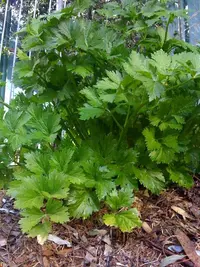
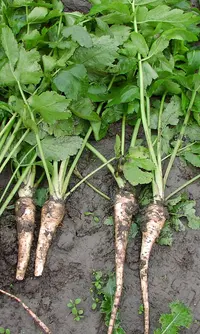
Wild parsnip (Pastinaca sativa) is a biennial herb in the carrot family, grown for its edible, pale-yellow taproot. In the first year it forms a low rosette of leaves; in the second year it sends up a tall, branching stem with flat clusters of small yellow flowers.

This species is native to Eurasia but now grows widely in fields, roadsides, and disturbed ground across North America. It self-seeds easily and can spread quickly, which affects how to care for wild parsnip in gardens.

It prefers full sun, well-drained soil, and moderate moisture. The plant is generally robust, but its sap can cause skin irritation when combined with sunlight, so handling requires care.

Main Plant Requirements

Care Difficulty

Easy Care

Light Preference

Full Sun

Water Requirements

Moderate Water

Temperature Preference

Cool Climate

Hardiness Zone

4–9

Soil Texture

Sandy, Loamy, Silty

Soil pH

Slightly acidic (6.5–7.0), Neutral (7.0)

Soil Drainage

Well-drained

Fertilization

Minimal (feed rarely)

Get Personalized Care Plan

Scan your plant to receive care tips personalized for your specific plant

Available on iOS and Android

How to Care for the wild parsnip

Pastinaca sativa grows best in open, bright field conditions with long daily sun exposure.

  • Provide full sun for 6–8 hours daily; 8–10 hours supports strongest root development and flavor.
  • Allow light partial shade in very hot summers, especially protection from intense late-afternoon sun to reduce stress and bolting risk.
  • Avoid dense shade, which leads to spindly growth and small roots; when caring for wild parsnip outdoors, choose an unshaded, south-facing or west-facing site.

Pastinaca sativa prefers steadily moist, well-drained soil rather than frequent shallow watering.

  • Water when the top 3–5 cm of soil feels dry, applying a slow, deep soak so moisture reaches the root zone without pooling.
  • During hot, dry periods, check soil every 1–2 days; in cool or rainy seasons, rely more on soil feel and reduce added water.
  • Watch for yellowing, soft foliage and soggy soil as signs of overwatering, and wilting, crispy leaves, and cracked soil as signs of underwatering.

This cool-season root crop performs best in mild temperatures and tolerates significant cold once established.

  • Aim for 55–70°F (13–21°C) for active growth; seeds germinate best around 50–68°F (10–20°C).
  • Mature plants handle cold down to about 20°F (−6°C), with roots often overwintering in soil under mulch in many climates.
  • Heat above 80°F (27°C), especially if dry, may cause stress, bitter flavor, or early flowering, so use mulch to cool soil and conserve moisture.

Humidity is not a significant factor for Pastinaca sativa, which handles typical outdoor air well.

Soil for Pastinaca sativa must be deep, loose, and stone free to allow straight root development.

  • Use a sandy or loamy soil with fine texture, avoiding compacted or rocky ground that forks roots.
  • Ensure drainage is moderate to fast, adding coarse sand and a small amount of compost to improve structure.
  • Aim for slightly acidic to neutral pH around 6.0–7.5, avoiding strongly acidic or alkaline conditions.
  • Prevent waterlogging by breaking up hardpan layers and raising beds if native soil stays wet after rain.

This species is only moderately suitable for container growing because of its long taproot.

  • Choose a container at least 30–40 cm deep so the taproot can extend without bending or forking.
  • Use a tall, heavy pot or add weight at the base to prevent tipping in windy, exposed locations.
  • Select a breathable material such as unglazed clay to reduce water retention and lower the risk of root rot in dense mixes.

Pastinaca sativa is a light feeder and often grows well in reasonably fertile garden soil with minimal additional fertilizer.

  • Before sowing, incorporate well-rotted compost into the top 15–20 cm of soil to build long-term fertility.
  • During the main growing season, apply a balanced 10-10-10 or similar NPK at 1/2 strength once every 4–6 weeks if soil is poor.
  • Avoid high-nitrogen products that push leafy growth at the expense of root development and flavor.
  • Stop feeding in late summer to early fall so roots mature naturally and wild parsnip stores energy without soft, watery tissue.

Pastinaca sativa needs only light pruning, mainly to manage flowering and remove damaged growth in garden settings.

  • In late fall or very early spring, cut back dead or damaged stems at ground level with clean hand pruners.
  • Remove spent flowering stems after seed set if self-seeding is not desired and to keep beds tidy.
  • Thin crowded first-year rosettes by snipping excess plants at soil level to give remaining roots space to size up.
  • When pruning flowering plants, wear gloves and long sleeves to reduce skin contact with sap and hairs.

This deep-rooted biennial is best direct-sown, so transplanting Pastinaca sativa is done only when necessary and with care to avoid root disturbance.

  • Transplant in early spring when seedlings are very small and before the taproot has elongated deeply.
  • Choose deep, loose soil and plant seedlings where they can finish their life cycle without further moving.
  • If grown in containers, shift only when roots circle the pot, handling the taproot gently and keeping the soil ball intact.
  • Water thoroughly after transplanting and shade lightly for a few days to limit stress and help roots re-establish.

Pastinaca sativa is propagated almost exclusively from seed, as it is a biennial crop grown for its taproot.

  • Sow fresh seed in early spring or late summer directly into loose, stone-free soil outdoors.
  • Provide consistent moisture and cool conditions of about 50–65°F for even germination over 2–3 weeks.
  • Space seedlings by thinning rather than lifting to avoid damaging the developing taproot.
  • Allow some plants to flower and set seed in the second year if home seed saving is desired.

In many temperate climates, Pastinaca sativa is cold hardy and often left in the ground over winter with minimal care.

  • Tolerates light to moderate frost, and cold improves root flavor in many soils.
  • Apply 5–8 cm of loose mulch over the bed in late fall to moderate soil freezing and ease winter harvesting.
  • In very cold regions or for container plants, move pots into an unheated but frost-free space to prevent root damage.

Care Tips

Use Deep Cultivation

Loosen the soil 25–30 cm deep before sowing to reduce root forking and to help roots grow straight and uniform.

Thin Seedlings Early

When seedlings reach 5–7 cm tall, thin them to 8–10 cm spacing so each plant develops a full-sized root without competition.

Mulch For Root Quality

Apply a 3–5 cm layer of clean straw or shredded leaves once seedlings establish to steady soil moisture and reduce surface cracking around the roots.

Manage Contact Risk

When caring for wild parsnip outdoors, wear gloves and long sleeves and avoid brushing against sap-covered foliage, especially on sunny days, to reduce the risk of skin irritation.

Timed Harvesting

Lift roots in late fall after a few light frosts to enhance flavor, and mark rows clearly so you can find them easily once their foliage dies back.

Common Pests and Diseases

Parsnip canker

This disease causes dark brown to black, sunken lesions around the upper roots and crown, leading to cracking, forking, and decay of the edible root. Symptoms include stunted growth and foliage yellowing or collapse in advanced cases.

Solution

Use long rotations of 3–4 years between carrot-family crops, sow into well-drained soil, and avoid fresh manure that encourages cracking. Remove and destroy affected roots, keep crowns slightly covered with soil, and choose resistant or tolerant cultivars when available as part of Pastinaca sativa plant care.

Celery leaf miner

This pest creates winding, pale tunnels within leaves where larvae feed between leaf surfaces, reducing photosynthesis and weakening plants. Symptoms include blotchy mines and premature yellowing or browning of foliage.

Solution

Remove and destroy mined leaves as soon as they appear, and use fine insect netting over rows to exclude adult flies. Encourage beneficial predators such as parasitic wasps and, in severe cases, apply a targeted insecticide labeled for leaf miners to young foliage, following label directions carefully.

Aphids

These insects cluster on stems and leaf undersides, sucking sap and causing curling, distortion, and sticky honeydew that can lead to sooty mold. This pest can also transmit plant viruses, further weakening plants.

Solution

Dislodge colonies with a strong water spray and pinch off heavily infested shoot tips. Encourage lady beetles and lacewings, and if needed use insecticidal soap or horticultural oil, ensuring thorough coverage of leaf undersides in the cooler parts of the day.

Powdery mildew

This disease appears as white, powdery patches on leaves, which can spread to cover much of the foliage and reduce vigor. Symptoms include yellowing, premature leaf drop, and reduced root size when infection is severe.

Solution

Increase spacing and airflow, avoid overhead watering, and promptly remove heavily infected foliage from the bed. Where powdery mildew is frequent, apply preventive sprays such as sulfur or potassium bicarbonate products labeled for vegetables, starting at the first sign of infection.

Cavity spot

This disease forms small, sunken, oval lesions on the root surface that are tan to dark brown, often near lateral roots. Symptoms include blemished roots that may be more prone to secondary rots in storage.

Solution

Improve drainage, avoid overwatering, and maintain even soil moisture to reduce stress on roots. Use crop rotation with non-umbellifer crops, avoid excessive nitrogen, and promptly harvest mature roots to limit time in pathogen-infested soil.

Interesting Facts

Phototoxic sap chemistry

The plant’s sap contains furanocoumarins, compounds that become highly reactive under UV light and can cause severe skin inflammation known as phytophotodermatitis after contact and sun exposure.

Domesticated root crop

It is the wild ancestor of the cultivated parsnip grown for its edible, starchy taproot, and both forms intercross readily, which can complicate conservation and field identification.

Invasive field colonizer

In many parts of North America it behaves as an invasive biennial or short-lived perennial, forming dense stands in disturbed areas such as roadsides and old fields, where it competes strongly with native herbaceous plants.

Botan icon

Did you know?

Charred parsnip remains identified as Pastinaca sativa have been found at several European archaeological sites, indicating that ancient peoples were using and likely selecting this species as a food plant long before the emergence of modern cultivated parsnip forms.

FAQs about wild parsnip

The long, pale taproot is edible when fully grown and cooked, similar to cultivated parsnip. Leaves and stems are not eaten and can irritate skin. Only harvest from clean sites away from roads and contamination.

Grow Healthy Plants with Botan Care

Keep your plants happy and healthy with plant identification, disease detection, and easy care guidance.

Botan plant care app — identify plants on mobile

Explore More Plants