cashew Care (Anacardium occidentale)

Also known as: Cachou Nut, Cachou Nut Tree, Cashew Apple, Cashew Nut, Cashew Tree, Cashew-Nut Tree, Korocho Nut
cashew

About cashew

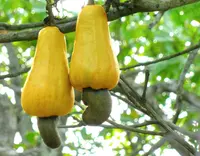
Anacardium occidentale, commonly known as cashew, is a tropical evergreen tree grown for its nuts and the fleshy cashew apple. It has a broad, spreading canopy, thick branches, and leathery leaves, giving it a sturdy, orchard-style appearance.

This species is native to northeastern Brazil but is now widely cultivated in tropical regions worldwide, especially in coastal and lowland areas. It prefers warm climates, well-drained sandy or loamy soil, and moderate moisture.

The tree is relatively resilient once established but can be sensitive to cold, prolonged waterlogging, and poor drainage, which makes young plants more demanding. Understanding how to care for cashew early on helps it develop a strong framework and productive canopy.

Main Plant Requirements

Care Difficulty

Moderate Care

Light Preference

Full Sun

Water Requirements

Moderate Water

Temperature Preference

Tropical / Frost Sensitive

Hardiness Zone

10–12

Soil Texture

Sandy, Loamy, Organic-rich

Soil pH

Acidic (5.5–6.5), Slightly acidic (6.5–7.0)

Soil Drainage

Well-drained

Fertilization

Minimal (feed rarely)

Get Personalized Care Plan

Scan your plant to receive care tips personalized for your specific plant

Available on iOS and Android

How to Care for the cashew

This species thrives in strong light and warmth typical of tropical climates.

  • Provide 6–8 hours of direct sun daily; full sun from morning to mid-afternoon promotes compact growth and fruiting in cashew.
  • Young trees tolerate light partial shade, but extended shade reduces flowering, weakens branches, and increases disease risk in humid conditions.
  • In very hot, dry regions, protect from harsh late-afternoon sun with light shade cloth or neighboring trees to limit leaf scorch and moisture loss.

This tree prefers deep but infrequent watering once established in well-drained soil.

  • Outdoors in the ground, irrigate only when the top 5–8 cm of soil is dry, applying a slow, deep soak rather than frequent shallow watering.
  • During the first 1–2 years, increase watering in hot, dry periods and reduce in cool or rainy seasons to prevent waterlogged roots and fungal issues.
  • Wilting, dull leaves and dry, cracking soil indicate underwatering, while yellowing leaves, soft new growth, or sour soil smell suggest overwatering in Anacardium occidentale.

This tropical tree performs best in consistently warm, frost-free conditions.

  • Ideal growth occurs around 75–90°F (24–32°C); flowering and fruiting decline when average temperatures stay below 68°F (20°C).
  • The tree is extremely frost-sensitive; damage starts near 32°F (0°C), and young plants may die if exposed below 28°F (-2°C), so protection or relocation is needed in cold snaps.
  • Mature plants tolerate short hot spells up to about 100–104°F (38–40°C) if soil moisture is adequate, but prolonged heat with dry winds can scorch leaves and reduce yield.

This species prefers warm, moderately humid air but copes with some seasonal dryness.

  • Aim for 40–60% humidity; very dry heated rooms can slow cashew growth and cause leaf tip browning.
  • Leaves curling inward, crisp margins, and stalled new growth indicate humidity stress in cashew.
  • Increase humidity by grouping plants, placing the pot on a pebble tray with water, or running a small nearby humidifier.

Anacardium occidentale performs best in light, fast-draining, slightly acidic to neutral soil.

  • Use a sandy or sandy-loam mix with plenty of large pores so water drains within minutes, not hours.
  • Combine roughly 50% coarse sand, 25% perlite or pumice, and 25% composted organic matter for structure and nutrients.
  • Keep pH around 6.0–7.0 and avoid strongly alkaline mixes that can lock up iron and other micronutrients.
  • Do not use dense clay-based mixes or peat-heavy substrates that stay wet, as these restrict root aeration and promote rot.

This species can be grown in containers when given enough root space and strong drainage.

  • Choose a deep, heavy pot so the spreading canopy does not tip the container in wind or when the medium is dry.
  • Select a coarse, fast-draining potting mix and ensure excess water drains completely within 10–15 minutes after watering.
  • Use light-colored or thick-walled containers in hot climates to limit root-zone overheating on exposed patios or balconies.

Anacardium occidentale benefits from moderate, consistent nutrition during active growth rather than heavy feeding.

  • Use a balanced NPK fertilizer (such as 10-10-10) or well-rotted compost for caring for cashew in containers or poor soils.
  • Feed every 4–6 weeks in spring and summer, using slow-release granules or diluted liquid fertilizer at 1/2 strength.
  • Apply fertilizer on moist soil and keep it away from the trunk to prevent root or bark burn.
  • Reduce or stop feeding in fall and winter when growth slows, especially in cooler indoor or marginal climates.

Pruning Anacardium occidentale helps manage size, structure, and airflow, which supports healthier growth and fruiting.

  • Carry out structural pruning at the end of the dry season or late winter, before vigorous new growth starts.
  • Remove dead, diseased, crossing, or inward-growing branches using clean, sharp bypass pruners or a pruning saw.
  • Thin crowded interior branches to improve light penetration and airflow, reducing fungal disease risk.
  • Shorten overly long or low branches to shape a strong, open canopy and keep fruit accessible for harvest.

Container-grown or young Anacardium occidentale trees need thoughtful transplanting to prevent root shock and support long-term establishment.

  • Look for roots circling the pot, emerging from drainage holes, or slowed top growth as signs that a plant is pot-bound.
  • Transplant in late spring or early summer when soil is warm and the tree can resume active growth quickly.
  • Move into a slightly larger container or ground site with well-drained soil, carefully loosening circling roots without tearing them.
  • Water thoroughly after transplanting, shade the tree lightly for 3–7 days, and maintain even moisture to reduce stress while roots re-establish.

Anacardium occidentale is most commonly propagated from seed, which maintains vigor but produces variable seedlings.

  • Sow fresh, fully mature nuts in late spring or early summer, as older seeds lose viability quickly.
  • Plant seeds on their side in a well-drained, sandy mix, with the curved part just below the surface.
  • Keep the medium warm at 75–85°F and lightly moist, not waterlogged, to support even germination.
  • Use air-layering or semi-hardwood cuttings only in specialized setups, as rooting success is often low for home growers.

Anacardium occidentale is a tropical tree with low frost tolerance and needs protection in climates below its comfort range.

  • Avoid exposure to temperatures below 40°F; light frost can damage young shoots and severe frost can kill trees.
  • Mulch the root zone with 5–8 cm of organic material in fall, keeping mulch a few cm away from the trunk.
  • For container plants, move pots indoors or into a heated greenhouse before the first frost, providing bright light and reduced watering.

Care Tips

Early structural training

In the first 2–3 years, select 3–5 strong primary branches at 45–60° angles from the main stem and remove crowded or low shoots to create a balanced, open canopy that can support future fruit load.

Fruit‑bearing branch renewal

After harvest, lightly shorten exhausted, twiggy branch ends and thin out crossing or shaded interior shoots so that new, well-lit growth forms where next season’s flowering and fruiting will concentrate.

Trunk wind protection

In windy sites, stake young trees with 2–3 sturdy posts and soft, wide ties placed below the canopy to keep the trunk upright while still allowing slight movement that strengthens wood and root anchorage.

Soil salinity monitoring

On coastal or irrigated sites, test soil or irrigation water salinity at least once a year and, if readings are high, apply a deep leaching irrigation to flush salts below the main root zone and prevent leaf burn and yield decline.

Nut and apple handling

When growing cashew for harvest, collect fallen nuts daily, air-dry them in a single layer under shade with good airflow, and handle them with gloves to avoid skin irritation from the caustic shell oil.

Common Pests and Diseases

Tea mosquito bug

This pest feeds on young shoots, panicles, and developing nuts, causing black lesions, drying of inflorescences, and shriveled nuts. Symptoms include dieback of tender shoots and poor fruit set.

Solution

Prune and destroy infested shoots and flower panicles to remove breeding sites, and avoid excessive flushing of soft growth with high nitrogen fertilization. For heavier infestations, use targeted sprays based on azadirachtin (neem extracts) or other low-toxicity insecticides timed to early flushing and early flowering, and keep the canopy open with regular pruning to improve airflow and spray coverage.

Stem and root borer

This pest is caused mainly by longhorn beetle larvae tunneling into trunks and major roots, leading to frass at the base, yellowing foliage, and eventual plant decline or sudden collapse. Symptoms include gum exudation, cracking bark, and weakened structural wood.

Solution

Inspect stems and root collars regularly, physically remove larvae from tunnels with a wire or chisel where possible, and destroy heavily infested plants if recovery is unlikely. Maintain trees in vigorous condition with adequate water and nutrients, keep the trunk area free of soil buildup and weeds, and apply contact insecticides only as a trunk drench or paint directed at active borer holes according to local guidelines.

Powdery mildew

This disease affects leaves, panicles, and young nuts, forming a white powdery growth that can cause flower drop and reduced nut development. Symptoms include distorted young leaves and premature drying of inflorescences during dry, cool periods.

Solution

Remove and destroy heavily infected leaves and panicles to reduce spore sources, and avoid dense, shaded canopies that stay humid. Provide good spacing and pruning, irrigate at soil level instead of overhead, and, in high-pressure areas, apply sulfur or other labeled fungicides preventively at early panicle emergence and nut set as part of structured Anacardium occidentale plant care.

Anthracnose

This disease causes dark, sunken lesions on leaves, twigs, flowers, and young nuts, often leading to flower blight and dieback of tender shoots. Symptoms include irregular brown spots with darker margins and possible defoliation in humid, warm weather.

Solution

Collect and destroy fallen leaves, mummified nuts, and blighted twigs to reduce inoculum, and prune to open the canopy for faster drying after rain or irrigation. In regions with frequent anthracnose, use copper-based or other labeled fungicides timed to early flowering and fruit development, and avoid prolonged leaf wetness from overhead watering.

Leaf and nut blight

This disease, commonly caused by fungi such as Colletotrichum or Phomopsis species, leads to brown lesions on leaves and dark, shriveled, or prematurely falling nuts. Symptoms include irregular leaf spots that may coalesce and fruit drop before full maturity.

Solution

Remove symptomatic nuts and leaves from the tree and ground, and dispose of them away from planting areas to limit reinfection. Improve air circulation through pruning and spacing, avoid overcrowding with other plants, and, where the disease recurs, follow a preventive fungicide program aligned with local extension recommendations, focusing on early nut development stages.

Interesting Facts

Double fruit structure

The edible cashew nut and the fleshy cashew apple are parts of the same reproductive structure, but only the hard kidney-shaped true fruit at the tip is the botanical fruit. The swollen, colorful cashew apple is a modified stem structure called a pseudofruit.

Toxic seed coating

Raw cashew nuts are surrounded by a shell containing caustic cashew nut shell liquid, rich in phenolic compounds like anacardic acids and cardol. This is why cashews are always sold pre-shelled and heat-treated, unlike many other common tree nuts.

Specialist pollination visitors

Cashew flowers produce both nectar and fragrance and are visited by a range of insects, including bees, wasps, and ants, which act as pollinators. The plant often relies on these generalist insects rather than a single specialist pollinator species.

Botan icon

Did you know?

The cashew tree was first domesticated in northeastern Brazil and was later deliberately introduced by Portuguese traders to parts of Africa and India in the 16th century, where it naturalized and became a major plantation crop far from its original native range.

FAQs about cashew

Yes, this species is commonly started from fresh seed taken from healthy nuts. Seeds should be sown soon after harvest, as viability drops quickly. Warm temperatures and evenly moist, well‑drained substrate are important for reliable germination.

Grow Healthy Plants with Botan Care

Keep your plants happy and healthy with plant identification, disease detection, and easy care guidance.

Botan plant care app — identify plants on mobile

Explore More Plants