Manage Pup Growth
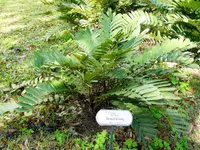
Allow 2–3 strong pups to develop around the mother plant and remove excess suckers at soil level with a clean, sharp knife so the plant puts energy into fewer, healthier stems.

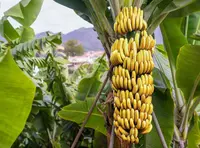
Musa acuminata 'Dwarf Cavendish' is a compact banana cultivar grown mainly as an ornamental and occasional fruiting plant. It suits bright indoor spaces and warm, sheltered outdoor spots in mild climates.
The plant forms a short pseudostem with large, lush green leaves that may show juvenile red or purple spotting. It naturally derives from tropical regions, so it prefers warmth, consistent moisture, and rich, well-drained soil.
Its fast growth and clear visual signals of stress make it relatively straightforward to read, but it dislikes cold drafts, very low humidity, and prolonged dryness. Basic knowledge of how to care for Cavendish Banana helps most growers keep it vigorous and attractive.

Care Difficulty
Moderate Care

Light Preference
Full Sun

Water Requirements
Keep Soil Moist

Temperature Preference
Tropical / Frost Sensitive

Hardiness Zone
9–11

Soil Texture
Loamy, Silty, Organic-rich

Soil pH
Acidic (5.5–6.5), Slightly acidic (6.5–7.0)

Soil Drainage
Moist but well-drained

Fertilization
Heavy (weekly, diluted)
Scan your plant to receive care tips personalized for your specific plant
Available on iOS and Android
This banana prefers bright, warm conditions with consistent, strong light for compact growth.
This plant needs steadily moist but not waterlogged soil to support its fast, leafy growth.
This banana thrives in consistently warm, frost-free conditions for best growth.
This banana prefers consistently high humidity to keep leaves lush and minimize stress.
This species performs best in deep, loose, organic-rich soil that stays evenly moist but never saturated.
This banana adapts well to container culture when the pot supports its rapid, top-heavy growth.
Musa acuminata 'Dwarf Cavendish' responds well to consistent, moderate feeding during its active growing season.
Pruning Musa acuminata 'Dwarf Cavendish' focuses on removing old or weak growth rather than shaping the plant heavily.
Container-grown plants benefit from periodic repotting to support vigorous growth and prevent root binding.
New Musa acuminata 'Dwarf Cavendish' plants are most reliably produced by separating basal suckers, often called pups.
This banana is frost-sensitive and needs careful winter management in most temperate climates.

Plant Health Check
Not sure what's wrong with your plant? Check your plant's health inside the app.
This cultivar arose as a naturally occurring dwarf mutation of seedless dessert bananas in the Musa acuminata complex and was selected for its short stature, which results from reduced internode length rather than a different overall plant architecture.
Young leaves often show prominent purple or maroon speckling that gradually fades as the plant matures, a pigment pattern caused by anthocyanins that can help protect tender tissues from excess light.
Its edible bananas are typically seedless and triploid (with three chromosome sets), so the plant is propagated vegetatively from suckers or tissue culture rather than from seed.

Mature plants grown under ideal warm, bright conditions can produce sizeable bunches of full-flavored bananas even in large containers, which has made this one of the most widely used dwarf bananas for Cavendish Banana indoor care in temperate regions.
Brown leaf edges usually come from low humidity, underwatering, or fertilizer burn. Brown patches or streaks can indicate cold damage or strong sun scorch. Trim damaged areas, adjust humidity and watering, and avoid overfertilizing to stabilize growth.
Keep your plants happy and healthy with plant identification, disease detection, and easy care guidance.