Sugar apple Care (Annona squamosa)

Also known as: Sweetsop, Custard-apple
Sugar apple

About Sugar apple

Sugar apple, Annona squamosa, is a small tropical fruit tree valued for its sweet, segmented fruits and compact size. It is often grown in warm home gardens and small orchards.

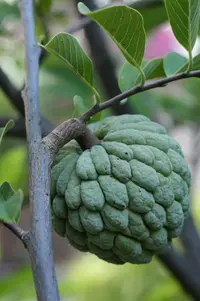
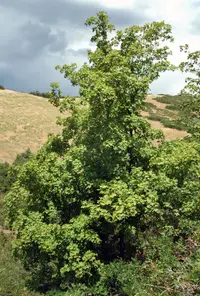
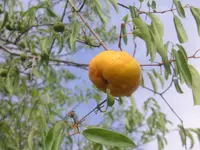
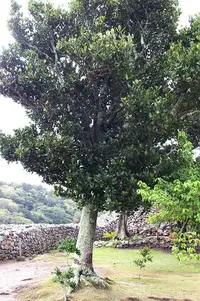
The tree has thin branches, light green leaves, and lumpy, cone-shaped fruits that turn soft and fragrant when ripe. It naturally occurs in tropical regions, especially in parts of the Americas and South Asia.

This species prefers warmth, sun, and well-drained soil, and it does not tolerate frost. With suitable climate and protection from cold, it is relatively straightforward to care for Sugar apple.


Main Plant Requirements

Care Difficulty

Moderate Care

Light Preference

Full Sun

Water Requirements

Regular Water

Temperature Preference

Tropical / Frost Sensitive

Hardiness Zone

10–12

Soil Texture

Sandy, Loamy, Organic-rich

Soil pH

Acidic (5.5–6.5), Slightly acidic (6.5–7.0)

Soil Drainage

Moist but well-drained

Fertilization

Moderate (every 2–4 weeks)

Get Personalized Care Plan

Scan your plant to receive care tips personalized for your specific plant

Available on iOS and Android

How to Care for the Sugar apple

Annona squamosa needs strong light to fruit well but can suffer in intense, dry heat without protection.

  • Provide 6–8 hours of direct sun daily, ideally with morning sun and light afternoon shade in hot, dry climates.
  • In humid, tropical areas, full sun all day is usually tolerated; in drier regions, use filtered light or 30–40% shade cloth during peak summer.
  • Insufficient light leads to lanky growth and poor flowering, while harsh, reflected afternoon sun can scorch young leaves and fruitlets.

This species prefers evenly moist, well-drained soil and reacts quickly to both drought and waterlogging.

  • Water when the top 3–5 cm of soil feels dry, giving a deep soak so moisture reaches the main root zone, then allow excess to drain completely.
  • During hot growing seasons, monitor more often; in cooler or dormant periods, extend intervals once leaf drop reduces water use in Annona squamosa.
  • Watch for yellowing, soft leaves or a sour smell as signs of overwatering, and for leaf curl, dull foliage, and dry, cracking soil as signs of underwatering.

This subtropical fruit tree thrives in warm conditions and is highly sensitive to frost.

  • Aim for 70–90°F (21–32°C) during active growth for best flowering and fruit set, with stable warmth from late spring through early fall.
  • Short exposures down to about 32°F (0°C) can damage young growth, and prolonged cold below 28°F (-2°C) may kill branches or entire small trees.
  • Mature trees tolerate brief heat up to 100–105°F (38–41°C) if soil moisture is maintained; provide mulch and some afternoon shade in very hot, dry spells.

Annona squamosa prefers warm, moderately humid air to support healthy foliage and fruiting.

  • Aim for 50–70% humidity; it tolerates brief dips lower but prolonged very dry air slows growth and leaf expansion.
  • Watch for leaf edge browning, dull foliage, and stalled new shoots as signs of low humidity stress.
  • Increase humidity outdoors by mulching and grouping plants; in semi-enclosed areas use trays of water or a fine mist in the morning.

This species performs best in loose, well-drained, slightly acidic to neutral soil that stays evenly moist but never waterlogged.

  • Use a sandy-loam mix with 40–60% mineral material (coarse sand or sandy topsoil) blended with compost for structure and nutrients.
  • Ensure sharp drainage by adding 20–30% coarse sand or fine gravel and avoiding heavy clay that holds standing water.
  • Target pH 6.0–7.0; amend very acidic soils with agricultural lime or very alkaline soils with elemental sulfur as needed.
  • For practical Annona squamosa care, loosen compacted ground 30–40 cm deep and incorporate organic matter to improve aeration and root penetration.

This species can be grown in containers when given enough root volume and stable moisture.

  • Choose a deep, heavy pot to anchor the tree’s woody frame and prevent tipping in strong wind as the canopy develops.
  • Select a slightly porous material such as unglazed clay if the climate is humid, or glazed/plastic in dry climates to moderate water loss.
  • Use a fast-draining mix and keep the container elevated on feet or bricks so drainage holes never sit in collected runoff water.

Balanced feeding supports strong growth and fruiting in Sugar apple grown in containers or poor soils.

  • Use a balanced granular or slow-release fertilizer (around 10-10-10) or well-rotted compost at the start of the growing season.
  • Feed every 6–8 weeks during warm active growth, adjusting based on leaf color and vigor.
  • Reduce or stop fertilizing in cool, dormant periods or when growth slows markedly.
  • Apply at half the label strength for young plants, and water thoroughly after application to prevent root burn.

Thoughtful pruning helps Annona squamosa maintain a manageable size and productive canopy.

  • Prune in late winter or very early spring, before strong new growth starts.
  • Remove dead, diseased, crossing, or inward-growing branches using clean, sharp hand pruners or loppers.
  • Thin crowded interior shoots to improve light penetration and airflow, which supports flowering and fruit quality.
  • Shorten overly long branches to shape the tree and keep fruit within easy reach, avoiding very heavy cuts at one time.

Container-grown or young Annona squamosa trees benefit from occasional repotting or careful field transplanting.

  • Look for roots circling the pot drainage holes, drying out quickly, or slowed growth as signs it needs a larger container.
  • Plan repotting or transplanting for late spring to early summer, once weather is consistently warm and frost risk has passed.
  • Move up 1–2 pot sizes every 2–3 years, using a well-drained, slightly sandy mix to support aeration and root health.
  • Handle the root ball gently, loosen circling roots lightly, water deeply after planting, and provide temporary shade to limit transplant shock.

New Annona squamosa plants are most often raised from seed, with grafting used for selected fruiting varieties.

  • Sow fresh, cleaned seeds in late spring in a warm medium kept at 75–85°F for best germination.
  • Use a loose, well-drained mix and cover seeds lightly, maintaining even moisture but not waterlogging.
  • Provide bright light and high humidity for seedlings, avoiding direct harsh sun until they are well established.
  • For named cultivars, graft young scions onto vigorous rootstocks during warm weather, keeping graft unions tightly secured.

This tropical tree is frost sensitive and needs protection in climates with cool or freezing winters.

  • Maintain temperatures above 40°F; in colder regions, grow in large containers and move indoors or into a heated greenhouse.
  • Mulch the root zone with 5–8 cm of organic material to buffer soil temperature and moisture.
  • In marginal climates, wrap young trunks with horticultural fleece or burlap during cold snaps and avoid winter watering excess.

Care Tips

Hand pollination aid

In areas with few natural pollinators, use a small, soft brush in the evening to transfer pollen from freshly opened male flowers to receptive female flowers on the same day, which greatly increases fruit set when growing Sugar apple.

Branch spreading support

Gently tie young, flexible branches to bamboo canes or horizontal wires to create a more open, spreading canopy that improves light penetration, air movement, and fruit quality.

Fruit thinning practice

When many small fruits set on the same branch, remove the smallest or most crowded ones so that remaining fruits are spaced about 10–15 cm apart, which reduces branch breakage and improves individual fruit size.

Wind and load management

Install sturdy stakes or a simple tripod support for young trees in windy sites and use soft ties under heavy fruit clusters to prevent limb snapping as fruits enlarge.

Cold event preparation

Before forecasted cold snaps, water the root zone thoroughly and cover young trees with frost cloth or breathable fabric that reaches the ground, removing it again once temperatures stay above the danger point.

Common Pests and Diseases

Fruit borer

This pest tunnels into developing fruits, causing internal feeding damage, premature fruit drop, and contamination with frass (insect droppings). Symptoms include small entry holes on the fruit surface and browning, mushy pulp inside.

Solution

Collect and destroy infested and fallen fruits to break the life cycle, and use fine mesh bagging on young fruits to prevent egg laying. For outdoor trees, encourage natural predators and apply targeted Bacillus thuringiensis (Bt) sprays to young larvae, following label directions and avoiding spray during peak pollinator activity.

Mealybugs

These insects cluster on young shoots, leaves, and fruit stalks, sucking plant sap and excreting sticky honeydew that can lead to sooty mold. Symptoms include white cottony masses, leaf yellowing, and distorted new growth.

Solution

Prune and dispose of heavily infested twigs, then wash accessible areas with a strong but gentle stream of water. For ongoing control, dab visible insects with cotton swabs dipped in isopropyl alcohol and use horticultural oil or insecticidal soap, repeating every 7–10 days until populations decline.

Scale insects

These insects appear as small, fixed bumps on stems, twigs, and leaf veins while feeding on sap and weakening the tree. Symptoms include yellowing leaves, reduced vigor, honeydew deposits, and sometimes sooty mold growth.

Solution

Scrape or wipe off accessible scales by hand on small trees, then treat remaining colonies with horticultural oil, making sure to coat stems and leaf undersides. Improve tree vigor with appropriate watering and nutrition, since healthier trees are more tolerant and recover faster from scale damage.

Anthracnose

This disease causes dark, sunken lesions on leaves, twigs, flowers, and fruits, often expanding in warm, humid conditions. Symptoms include leaf spots, blighted flower clusters, and blackened, cracked fruit areas that may rot.

Solution

Remove and discard infected leaves, twigs, and fruits, and keep the area under the tree clean to reduce fungal spores. Improve air circulation, avoid overhead watering, and where necessary use a copper-based fungicide during wet seasons, applied according to label instructions and timed before or just as new growth emerges.

Pink disease

This disease leads to cankers and dieback on branches, often covered by a pinkish fungal crust on the bark in humid climates. Symptoms include wilting leaves on affected branches, bark cracking, and progressive branch death if not pruned out.

Solution

Prune affected branches well below visible symptoms, disinfecting tools between cuts, and destroy all infected material rather than composting it. Maintain an open canopy for good airflow, avoid unnecessary wounding of branches, and in high-pressure areas consider protective fungicide applications to pruning cuts and high-risk limbs following local extension recommendations.

Interesting Facts

Segmented fruit structure

The sugar apple fruit is made of many fused carpels, so each bumpy scale on the surface corresponds to a single carpel that developed from an individual flower part.

Unusual seed dispersal

In its native range, the sweet, creamy pulp attracts mammals and birds that eat the fruit and spread the hard, glossy seeds through their droppings, aiding natural regeneration of wild populations.

Heat and drought adaptation

This species evolved in seasonal, warm climates and shows good tolerance to high temperatures and short dry periods, partly due to its relatively deep root system and ability to reduce leaf activity under stress.

Botan icon

Did you know?

The flesh of sugar apple contains numerous stone cells, which are clusters of very hard, thick-walled plant cells that give some gritty texture similar to that found in pear fruit, an anatomical feature quite characteristic for this species within the Annonaceae family.

FAQs about Sugar apple

This species grows well in large containers if root space and drainage are good. Use a deep pot, well‑draining mix, and regular repotting. Container culture helps control size and makes protection from cold much easier.

Grow Healthy Plants with Botan Care

Keep your plants happy and healthy with plant identification, disease detection, and easy care guidance.

Botan plant care app — identify plants on mobile

Explore More Plants