Iron cross Care (Oxalis tetraphylla)

Also known as: fourleaf pink-sorrel, lucky clover
Iron cross

About Iron cross

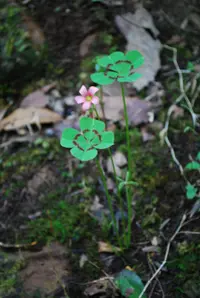
Iron cross (Oxalis tetraphylla) is a small, bulb-forming perennial often grown as a houseplant or in outdoor containers. It is valued for its clover-like leaves with a dark maroon center that form a dense, low mound.

The plant produces clusters of small, funnel-shaped pink to red flowers held above the foliage. It naturally occurs in Mexico but has been widely cultivated in many regions.

Oxalis tetraphylla enters a rest period when conditions are too hot, dry, or dim, then regrows from its bulbs. This trait makes it resilient but sometimes confusing for beginners.

It generally prefers bright light, moderate moisture, and well-drained soil, and many owners find it straightforward to learn how to care for Iron cross once its growth cycle is understood.

Main Plant Requirements

Care Difficulty

Moderate Care

Light Preference

Partial Sun

Water Requirements

Moderate Water

Temperature Preference

Tropical / Frost Sensitive

Hardiness Zone

7–10

Soil Texture

Sandy, Loamy, Organic-rich

Soil pH

Acidic (5.5–6.5), Slightly acidic (6.5–7.0)

Soil Drainage

Well-drained

Fertilization

Light (every 4–6 weeks)

Get Personalized Care Plan

Scan your plant to receive care tips personalized for your specific plant

Available on iOS and Android

How to Care for the Iron cross

Oxalis tetraphylla grows best in bright, indirect light with some gentle direct sun.

  • Provide 3–5 hours of morning sun or late-afternoon sun, plus bright shade or filtered light for the rest of the day.
  • Protect Iron cross from harsh midday sun, which can scorch leaves and cause bleaching or crispy edges, especially in hot summers.
  • In partial shade (such as dappled light under shrubs), stems may stretch; move slightly closer to light in spring and summer to keep growth compact.

Water needs are moderate and depend on season, soil, and growth stage.

  • During active growth, water when the top 2–4 cm of soil feels dry, allowing excess to drain freely so roots are not left in standing water.
  • Use a loose, well-draining mix; soggy soil leads to yellowing leaves, soft stems, and bulb rot, while completely dry soil causes drooping and leaf drop.
  • Reduce watering sharply when Oxalis tetraphylla enters dormancy, letting the soil dry almost fully before lightly moistening to keep bulbs from shriveling.

Stable, mild temperatures support strong foliage and reliable bulbing.

  • Aim for 60–75°F (16–24°C) during active growth; short peaks to 80–85°F (27–29°C) are tolerated if soil moisture and shade are adequate.
  • Protect from frost; growth is damaged near 32°F (0°C), and bulbs are safest lifted or heavily mulched where winter lows drop below 25°F (-4°C).
  • In hot summers above 85°F (29°C), light afternoon shade and slightly cooler night temperatures help reduce stress and may prevent premature dormancy.

This plant handles typical indoor humidity but performs best with slightly moist air.

  • Aim for 40–60% humidity; Iron cross tolerates short dips lower but may grow slower.
  • Crisping leaf tips and folding foliage during the day can signal air that is too dry or inconsistent.
  • Group pots, place on a pebble tray, or run a small humidifier nearby rather than misting leaves directly.

This bulb-forming species needs loose, well-drained soil that still holds moderate moisture.

  • Use a light, loamy mix such as 2 parts all-purpose potting mix with 1 part perlite or coarse sand for aeration.
  • Ensure excess water drains freely so the bulbs do not sit in saturated soil, which encourages rot.
  • A slightly acidic to neutral pH around 6.0–7.0 suits Oxalis tetraphylla and supports nutrient uptake.
  • Avoid heavy garden clay, compacted mixes, or straight compost, which reduce airflow around the bulbs.

This species is very suitable for container growing.

  • Choose a shallow to medium-deep pot so the bulbs sit 2–5 cm below the rim, which keeps them evenly moist but not buried too deeply.
  • Select a pot width that allows space for bulb clumps to expand sideways without crowding in one season.
  • Use a slightly heavier or wider-base container outdoors to keep the foliage mound stable in wind as it spreads and becomes top-heavy.

Oxalis tetraphylla responds well to light feeding during its active growing season.

  • Use a balanced liquid fertilizer (for example 10-10-10) diluted to 1/4–1/2 strength for pots, or a thin layer of compost for garden plants.
  • Feed every 4–6 weeks from early spring to late summer while leaves and flowers are developing.
  • Skip fertilizer during dormancy or winter rest; resume only when fresh growth appears.
  • For caring for Iron cross in containers, flush the pot with plain water every few months to prevent salt buildup.

Pruning needs for Oxalis tetraphylla are simple and mainly about cleanliness and appearance.

  • At any season, pinch or snip off faded flowers and yellowing leaves at the base to keep clumps tidy.
  • Use small, clean scissors or pruners to remove damaged or diseased foliage, reducing the risk of rot and fungal spread.
  • If clumps become crowded or floppy, thin out some stems to improve air flow and maintain a compact shape.
  • After a natural dormancy, clear away all dried foliage so new shoots can emerge unshaded.

This bulb-like plant prefers occasional repotting or lifting rather than frequent disturbance.

  • Repot every 2–3 years or when roots and bulbs crowd the pot, soil dries very fast, or growth weakens.
  • Best timing is late winter to early spring, just before strong new growth starts in Oxalis tetraphylla.
  • Gently loosen the root ball, separate congested bulbs, and place them in fresh, well-drained mix at the same depth.
  • Water lightly after repotting, then keep slightly moist and shaded for 3–5 days to limit transplant shock.

Propagation of this species is straightforward and usually done by division of its small bulbs.

  • Divide clumps in late winter or early spring, just before or as new shoots appear on Oxalis tetraphylla.
  • Lift the clump, gently separate individual bulbs or small groups, keeping attached roots where possible.
  • Replant bulbs 2–5 cm deep in light, well-drained soil, spacing them so foliage will not overcrowd.
  • Keep soil slightly moist and provide bright, indirect light until new leaves establish and growth strengthens.

This plant has a rest period and may need modest winter care, especially in colder climates.

  • In mild climates (above about 20°F), garden plants can usually overwinter in the ground with minimal attention.
  • Where winters freeze harder, add 5–8 cm of dry mulch over the root zone after foliage dies back.
  • For containers in cold regions, move pots indoors to a cool, frost-free place and allow dormancy with almost dry soil.
  • In very cold areas, dig bulbs after foliage dies, store dry and cool, then replant in spring.

Care Tips

Encourage Compact Growth

Rotate the pot by 90° every 3–4 days so the foliage receives light from all sides, which keeps the clump even and reduces leaning or weak, stretched stems when growing Iron cross.

Manage Dormancy Cycles

If foliage yellows and dies back in late summer or after stress, stop watering, keep the pot dry and cool for 4–6 weeks, then resume light watering to trigger a fresh growth cycle from the bulbs.

Divide Bulbs Strategically

Every 1–2 years, unpot the plant during dormancy, gently separate crowded bulbs, and replant them with at least 1–2 cm spacing to maintain vigorous growth and reduce the risk of rot.

Use Shallow Containers

Choose a shallow, wide pot rather than a deep one so the small bulbs sit closer to the surface, which improves drainage and creates a fuller, more even foliage carpet.

Proactive Pest Monitoring

Inspect the undersides of leaves and petioles every 1–2 weeks for spider mites or aphids, and if any are seen, rinse foliage under a gentle stream of water before infestations become established.

Common Pests and Diseases

Spider mites

This pest thrives on Oxalis foliage in warm, dry indoor air and causes tiny yellow speckling and dull, dusty-looking leaves, sometimes with fine webbing. Symptoms include gradual leaf decline and premature leaf drop.

Solution

Rinse plants thoroughly with a strong but gentle stream of lukewarm water, including the undersides of leaflets and stems, then repeat every few days for 2–3 weeks. For persistent infestations, use insecticidal soap or a ready-to-use neem oil spray, and raise humidity slightly while avoiding heat stress as part of long-term Iron cross indoor care.

Aphids

These insects cluster on tender stems, leaf bases, and flower stalks, sucking sap and excreting sticky honeydew that can attract sooty mold. Symptoms include distorted new growth, sticky leaves, and a decline in flowering.

Solution

Pinch or rinse off colonies under running water and remove heavily infested flower stalks. If needed, apply insecticidal soap to all green parts every 5–7 days until no new aphids appear, and avoid overfertilizing, which encourages soft, aphid-prone growth.

Fungal leaf spot

This disease produces small brown to purplish spots or patches on the leaflets that can merge and cause yellowing and premature leaf drop, especially in dense pots. Symptoms include spotting that often starts on older leaves or in areas that stay wet after watering or misting.

Solution

Remove and discard affected leaves, water at the soil level, and allow foliage to dry quickly by improving spacing and air movement. If the problem continues, use a copper-based or sulfur-based fungicide labeled for ornamental plants, applied according to label directions, and avoid overhead watering in the future.

Botrytis blight

This disease appears in cool, humid conditions as gray, fuzzy mold on spent flowers, damaged leaves, or crowded foliage, leading to soft, decaying tissue. Symptoms include water-soaked spots that rapidly turn brown and mushy, with visible gray spores on the surface.

Solution

Promptly remove faded flowers and any soft, infected tissue, and dispose of it in the trash, not in compost. Improve air circulation, reduce humidity around the foliage, and water in the morning; in severe cases, apply a general ornamental fungicide and temporarily reduce plant density in crowded trays or pots.

Bulb mites

This pest attacks the underground bulbs, especially in stored or newly purchased stock, causing slow, weak emergence, distorted shoots, and poor clump formation. Symptoms include bulbs that feel soft or show tiny white mites when inspected closely at the basal plate or in damaged areas.

Solution

Discard badly affected bulbs and replant only firm, healthy ones in fresh, well-drained potting mix, removing any rotting material. For mild infestations, rinse bulbs, let them dry for 24 hours, then dust lightly with a sulfur-based bulb treatment before replanting, and avoid prolonged storage in warm, damp conditions.

Interesting Facts

Distinct iron cross pattern

The leaflets show a dark maroon band in the center that resembles an iron cross, created by higher concentrations of pigments called anthocyanins in that part of the leaf.

Twilight leaf movement

The leaflets open fully in bright light and fold downward at night or in low light, a movement called nyctinasty driven by changes in water pressure in specialized cells at the base of each leaflet.

Bulb-like storage structures

Instead of a typical fibrous root mass, this species grows from clustered, scaly bulbs that store starch and allow the plant to survive a dry or cool dormant period and resprout later.

Botan icon

Did you know?

In Europe and North America, this species is widely sold as a "good luck" plant for New Year and St. Patrick's Day, even though it is not a true clover; its four leaflets and iron-cross marking have made it a modern symbol of luck in horticultural trade.

FAQs about Iron cross

Lack of blooms usually comes from insufficient light, depleted nutrients, or the bulb being too crowded. Provide bright conditions, a light fertilizer during active growth, and allow a dry rest period so the bulb can reset and flower again.

Grow Healthy Plants with Botan Care

Keep your plants happy and healthy with plant identification, disease detection, and easy care guidance.


Botan plant care app — identify plants on mobile

Explore More Plants