


Use mesh baskets
Plant bulbs in shallow plastic or wire mesh baskets sunk into the soil so clumps are easy to lift, divide, and control if they start to spread into lawn or beds.

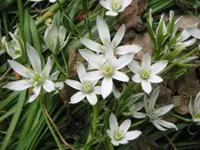
Sleepydick, Ornithogalum umbellatum, is a small spring-flowering bulb from the asparagus family. It forms low clumps of narrow, grass-like leaves and star-shaped white flowers with green-striped backs. In nature it occurs across parts of Europe and western Asia, and it has naturalized in many temperate lawns, fields, and open woodlands. The plant goes dormant soon after flowering, which can surprise new owners who do not expect the sudden dieback. It multiplies by bulbs and offsets, so it can spread over time where conditions are suitable. To care for sleepydick, provide sun to light shade, well-drained soil, and moderate moisture while it is in active growth.

Care Difficulty
Easy Care

Light Preference
Partial Shade

Water Requirements
Moderate Water

Temperature Preference
Cold Hardy

Hardiness Zone
4–9

Soil Texture
Sandy, Loamy, Organic-rich

Soil pH
Slightly acidic (6.5–7.0), Neutral (7.0)

Soil Drainage
Well-drained

Fertilization
Minimal (feed rarely)
Scan your plant to receive care tips personalized for your specific plant
Available on iOS and Android
Ornithogalum umbellatum grows best in bright conditions similar to open woodland or lightly shaded lawns.
Watering for this bulb should prevent prolonged wetness while avoiding complete soil dryness during active growth.
This hardy bulb tolerates cool winters and mild springs, preferring moderate temperatures during active growth.
This bulb tolerates typical indoor humidity, so moisture in the air is rarely a concern when caring for sleepydick.
This bulb prefers loose, well-aerated, fast-draining soil to prevent rot.
This species is suitable for container growing when the potting setup protects the bulbs from staying wet.
Ornithogalum umbellatum is a low-nutrient bulb that needs only light feeding in containers or very poor soils when caring for sleepydick.
Pruning needs for Ornithogalum umbellatum are minimal and focus on hygiene rather than shaping.
This bulb is more often naturalized in the ground, so focus on lifting and transplanting clumps rather than frequent repotting.
Propagation of Ornithogalum umbellatum is most reliable by division of bulbs and offsets.
This bulb is generally cold hardy in much of the US and needs little winter attention in the ground.

Plant Health Check
Not sure what's wrong with your plant? Check your plant's health inside the app.
The plant opens its white, star-shaped flowers only in bright light during the day and closes them again in the evening or under cloudy conditions, a movement driven by changes in cell turgor in the petals.
It spreads through bulbs and offsets to form dense colonies in lawns and meadows, which can be difficult to remove because bulbs often sit deeper than typical cultivation depth and resprout after partial disturbance.
All parts of the plant contain cardiac glycosides, making it toxic to humans and many animals, which is why most grazing livestock tend to avoid it when other forage is available.
In some regions of the eastern United States, this European native has become locally invasive, forming thick spring carpets that emerge and flower before many turf grasses fully green up, then fading back into dormancy and leaving little trace above ground for the rest of the year.
Lack of flowers usually comes from insufficient winter chill, overcrowded bulbs, or too much shade. Allow foliage to die back naturally after flowering, avoid excessive summer watering, and divide congested clumps every few years to restore blooming.
Keep your plants happy and healthy with plant identification, disease detection, and easy care guidance.
silver-edged primrose
Primula marginata
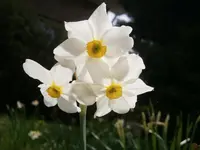
primrose peerless
Narcissus × medioluteus
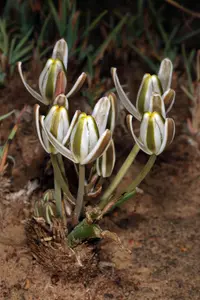
Thick Slime-lily
Albuca setosa
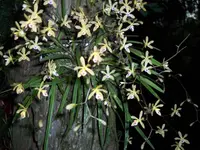
Florida butterfly orchid
Encyclia tampensis
 POPULAR
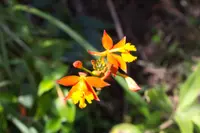
Fire-star orchid
Epidendrum radicans
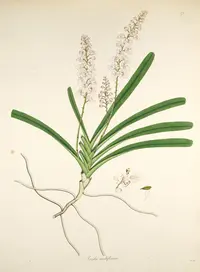
Multi-flowered Aerides
Aerides multiflora
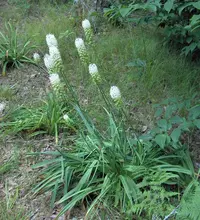
flypoison
Amianthium muscitoxicum
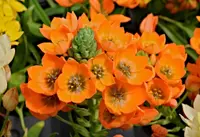
Yellow Chincherinchee
Ornithogalum dubium