Thick Slime-lily Care (Albuca setosa)

Thick Slime-lily

About Thick Slime-lily

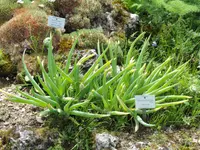
Thick slime-lily (Albuca setosa) is a small, bulb-forming succulent from South Africa, known for its tufted, hair-like leaves and unusual, sticky flower stalks. It grows from an underground bulb and usually stays compact, which makes it suitable for containers and small indoor collections.

In its native habitat, it experiences cool, wetter winters and dry summers, so it often grows actively in the cooler season and rests when it is hot and dry. This growth pattern, along with its need for sharp drainage and bright light, can make it slightly challenging for beginners.

Understanding this seasonal rhythm is key to how to care for Thick Slime-lily and keep its bulbs healthy over many years.

Main Plant Requirements

Care Difficulty

Moderate Care

Light Preference

Full Sun

Water Requirements

Low Water

Temperature Preference

Warm Climate

Hardiness Zone

9–11

Soil Texture

Sandy, Loamy, Rocky

Soil pH

Slightly acidic (6.5–7.0), Neutral (7.0)

Soil Drainage

Well-drained

Fertilization

Minimal (feed rarely)

Get Personalized Care Plan

Scan your plant to receive care tips personalized for your specific plant

Available on iOS and Android

How to Care for the Thick Slime-lily

This South African bulb prefers bright, gentle sun to build compact, healthy foliage and flowers.

  • Provide 4–6 hours of direct morning sun with light or filtered sun the rest of the day; in hotter regions, protect Thick Slime-lily from harsh sun after 1–2 p.m.
  • In mild climates, it tolerates open sun if soil does not dry out fully for long; in very hot, dry sites give afternoon shade.
  • Insufficient light causes weak, stretched leaves and poor flowering, while intense midday summer sun can scorch foliage, especially in dark containers.

Watering for this bulb must follow its growth cycle to avoid rot.

  • During active growth, water only when the top 3–5 cm of soil are dry, then soak thoroughly so excess drains away from the bulb zone.
  • Use sharply drained, sandy or gritty soil; Albuca setosa is prone to rot if water pools around the bulb or soil stays wet for more than 2–3 days.
  • In summer dormancy, reduce watering drastically, giving just enough to prevent complete soil desiccation; wrinkling leaves or shriveling bulbs signal underwatering, while yellow, mushy tissue suggests overwatering.

This species prefers mild, dry conditions with cool winters and avoids hard frost.

  • Aim for 60–75°F (16–24°C) during active growth; slightly cooler nights down to 50°F (10°C) help maintain compact foliage and strong flowering.
  • Protect from frost; short dips to 32°F (0°C) may damage leaves, and prolonged exposure below 30°F (-1°C) can kill bulbs, especially in wet soil.
  • In hot weather above 85°F (29°C), growth often slows and the plant may enter dormancy; provide afternoon shade and ensure very free-draining soil to prevent heat-related rot.

Albuca setosa handles typical indoor humidity well and rarely needs special adjustment.

Albuca setosa prefers a sharply draining, mineral-based mix that stays dry between waterings.

  • Use a sandy or gritty mix with 50–70% inorganic material such as coarse sand, pumice, or perlite to prevent water retention.
  • Aim for slightly acidic to neutral pH around 6.0–7.0, avoiding strongly acidic or alkaline substrates that can limit nutrient uptake.
  • Incorporate a modest amount of lean compost or fine bark for structure, keeping organic matter low so bulbs do not stay wet.
  • Avoid heavy peat-based or clay-rich mixes, which hold moisture around the bulbs and greatly increase the risk of rot.

This species is well suited to container growing due to its compact, bulb-forming habit.

  • Choose a pot at least 15–20 cm deep so bulbs and roots can sit slightly buried with space for offsets to develop.
  • Select a terracotta or unglazed clay pot to allow faster moisture loss, reducing the chance of waterlogged bulbs.
  • Top-dress the surface with a 1–2 cm layer of coarse grit to keep the bulb necks dry and limit algae or moss growth.

Albuca setosa benefits from light, controlled feeding that respects its summer-dormant bulb cycle when caring for Thick Slime-lily.

  • Use a balanced, dilute liquid fertilizer (e.g., 10-10-10 at 1/4–1/2 strength) every 3–4 weeks during active growth in fall to spring.
  • Apply only to moist soil to avoid root burn and never onto dry bulbs or foliage.
  • Skip chemical feeding in summer dormancy; at most, top-dress with a very thin layer of fine compost.
  • In very lean mixes, a low-dose slow-release bulb fertilizer can be mixed in at the start of the growing season.

Albuca setosa needs minimal pruning focused on hygiene and seasonal cleanup rather than shaping.

  • In late spring or early summer, cut back fully yellow or dry foliage at the base with clean, sharp scissors.
  • Remove any dead, diseased, or damaged leaves as they appear to reduce fungal issues around the bulb.
  • Avoid heavy green-leaf removal; foliage must remain intact during growth to recharge the bulb for the next season.
  • After flowering, trim spent flower stalks to redirect energy back into the bulb rather than seed production.

This bulbous species prefers slightly snug pots and only occasional repotting to limit disturbance.

  • Check for roots circling, bulbs pressing against the pot edge, or declining vigor as signs it needs more space.
  • Plan repotting for late summer to early fall, just before new growth starts, about every 2–3 years.
  • Use a shallow, free-draining container and gently separate crowded bulbs, keeping roots as intact as possible.
  • Water lightly after repotting and keep in bright, indirect light for 1–2 weeks to reduce transplant shock.

Propagation of Albuca setosa is commonly done by division of bulbs and by seed in suitable conditions.

  • Divide clusters of offsets in late summer to early fall while the plant is dormant or just sprouting.
  • Gently separate small bulbs from the mother bulb, replanting them in a very well-drained gritty mix.
  • For seeds, sow fresh in autumn on the surface of lightly moist, sandy medium and cover very thinly.
  • Maintain bright light, 60–70°F, and consistently slightly moist (not wet) substrate until seedlings establish.

This plant dislikes hard frost and needs some winter management, especially in colder climates.

  • In USDA zones below 9, grow in containers and move indoors before nights drop below 40°F.
  • Outdoors in mild climates, add a 5–7 cm layer of dry mulch around the bulb zone to buffer temperature swings.
  • Keep soil barely moist in winter growth, avoiding waterlogged conditions that lead to bulb rot.

Care Tips

Mark Dormancy Periods

Label the pot with expected dormancy months and reduce disturbance to the bulbs during this time, so you do not accidentally discard or overwater the plant when foliage dies back seasonally.

Rotate For Even Coils

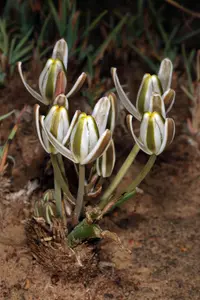
Turn the pot 90° every 1–2 weeks during active growth so the spiral leaves develop evenly and do not lean strongly toward a single light source.

Use Topdressing Grit

Apply a thin layer (0.5–1 cm) of coarse horticultural grit on the soil surface to keep the bulb neck dry, discourage fungus gnats, and reduce splashing on the bulb when watering.

Adjust Water By Leaf Shape

Let slightly looser, less tightly coiled leaves signal that it is time to extend the dry interval between waterings, as this often indicates the plant is approaching dormancy and helps prevent bulb rot when caring for Thick Slime-lily.

Cool Rest For Bulbs

Provide a cooler, drier rest period after foliage yellows by moving the pot to a bright, cool room (50–60°F) and withholding water until new growth tips reappear, which supports long-term bulb vigor and reliable re-sprouting.

Common Pests and Diseases

Bulb mealybugs

This pest hides in the basal plate and between bulb scales, sucking sap and weakening growth over time. Symptoms include stunted leaves, yellowing, poor sprouting, and cottony white clusters around the bulb or in the potting mix.

Solution

Unpot the plant, gently wash the bulb and roots with lukewarm water, and remove all visible mealybugs with a soft brush or cotton swab dipped in 70% isopropyl alcohol. Let the bulb dry for a few hours, repot into fresh, well-drained mix, and use a systemic insecticide labeled for mealybugs during active growth if reinfestation occurs.

Narcissus flies

This pest is a bulb fly whose larvae tunnel into bulbs, causing hollow, mushy tissue and sudden collapse of leaves. Symptoms include weak or absent sprouting, distorted foliage, and bulbs that feel soft or hollow when gently squeezed.

Solution

Discard heavily infested bulbs, and examine remaining bulbs by cutting out any damaged tissue down to firm, healthy scales before dusting cuts with a dry fungicide or sulfur powder. To prevent further attack, cover pot surfaces with fine mesh during the fly season, avoid leaving dormant bulbs exposed, and store resting bulbs in insect-proof, cool, well-ventilated conditions.

Aphids

These insects feed on tender leaf bases and flower stalks, sucking sap and excreting sticky honeydew. Symptoms include distorted new growth, curling leaves, and sometimes black sooty mold growing on the honeydew.

Solution

Rinse the foliage and emerging shoots under a gentle stream of water, then treat remaining colonies with insecticidal soap or a light horticultural oil, ensuring full coverage of leaf bases and undersides. Repeat treatments every 5–7 days until populations are reduced, and avoid high nitrogen fertilization that promotes very soft, aphid-attractive growth.

Basal plate rot

This disease attacks the bulb’s basal plate, leading to brown, sunken lesions and soft, foul-smelling tissue. Symptoms include poor emergence, sudden yellowing and collapse of foliage, and bulbs that disintegrate from the base upward.

Solution

Remove and destroy all affected bulbs, and discard the old potting mix to reduce pathogen carryover. For future plantings, select only firm, unblemished bulbs, dust the basal plate with a fungicidal powder or sulfur before potting, use a very free-draining medium, and keep watering moderate, especially while the plant is dormant.

Botrytis leaf and scape blight

This disease is caused by Botrytis fungus, which thrives in cool, humid, stagnant air, producing tan to brown leaf and flower stalk lesions and gray, fuzzy mold. Symptoms include water-soaked spots that expand, blighted tips, and premature death of leaves or flower stalks.

Solution

Promptly remove and discard affected leaves or scapes, avoiding overhead watering and improving air circulation around the plant. Allow the foliage to dry quickly after watering, keep debris off the soil surface, and if conditions stay cool and damp, apply a labeled fungicide preventively at the first sign of spotting as part of Albuca setosa care.

Interesting Facts

Distinctive slimy sap

The leaves and stems exude a noticeably slimy, mucilaginous sap when damaged, which likely helps reduce water loss and may deter small herbivores in its dry native habitat.

Dry-season dormancy strategy

This species naturally goes dormant and dies back to its underground bulb during the hot, dry season in parts of South Africa, allowing it to survive periods with minimal rainfall.

Narrow, tufted foliage

The plant forms tight tufts of narrow, grass-like leaves from clustered bulbs, an adaptation that reduces leaf surface area and helps limit evaporation in exposed, sunny sites.

FAQs about Thick Slime-lily

Lack of flowering usually comes from insufficient light, cramped bulbs, or not allowing a cool, dry rest period after the leaves die back. Avoid heavy feeding and keep the bulb slightly crowded to encourage flower production.

Grow Healthy Plants with Botan Care

Keep your plants happy and healthy with plant identification, disease detection, and easy care guidance.

Botan plant care app — identify plants on mobile

Explore More Plants