Snowdrop Care (Galanthus woronowii)

Also known as: Green Snowdrop
Snowdrop

About Snowdrop

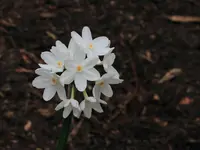
Galanthus woronowii, commonly called snowdrop, is a small bulbous perennial grown mainly for its early spring flowers. It produces nodding white blooms with a green-marked inner segment above broad, glossy green leaves.

This species is native to regions around the eastern Black Sea, including parts of Turkey and the Caucasus, where it grows in cool woodland and mountain meadows. It forms clumps over time and goes dormant in summer.

Snowdrop is generally reliable and low-maintenance if planted in suitable conditions. It prefers cool climates, moist but well-drained soil, and light shade. Understanding how to care for Snowdrop starts with respecting its natural cool, woodland origins.

Main Plant Requirements

Care Difficulty

Easy Care

Light Preference

Partial Shade

Water Requirements

Moderate Water

Temperature Preference

Cold Hardy

Hardiness Zone

4–7

Soil Texture

Loamy, Silty, Organic-rich

Soil pH

Acidic (5.5–6.5), Slightly acidic (6.5–7.0)

Soil Drainage

Moist but well-drained

Fertilization

Minimal (feed rarely)

Get Personalized Care Plan

Scan your plant to receive care tips personalized for your specific plant

Available on iOS and Android

How to Care for the Snowdrop

This bulb prefers cool, bright conditions with gentle sun and consistent moisture in the soil.

  • Provide 3–5 hours of soft light daily, ideally morning sun with dappled or open shade by midday to protect leaves of this early Snowdrop.
  • Plant under deciduous shrubs or trees so winter–early spring sun reaches the clump, while summer foliage above provides shade as bulbs go dormant.
  • Avoid strong midday and afternoon sun, which can scorch foliage; in deep shade flowering declines and plants may stretch and produce fewer blooms.

This species prefers evenly moist, well-drained soil, especially during active growth in late winter and spring.

  • Water when the top 2–3 cm of soil feels barely moist, not soggy; soil should never stay waterlogged around the bulbs to prevent rot.
  • During active growth, aim for consistently moist conditions, then gradually reduce watering as foliage yellows and the bulbs enter summer dormancy.
  • Signs of overwatering include soft, foul-smelling bulbs and yellow, collapsing leaves; underwatered clumps show limp, prematurely browning foliage.

This hardy bulb thrives in cool to cold winters and mild springs, tolerating significant frost in garden settings.

  • Optimal growth occurs in 40–60°F (4–16°C) conditions during late winter and early spring, when shoots and flowers develop.
  • Dormant bulbs tolerate winter lows near 5°F (−15°C) under soil and mulch; prolonged bare-soil exposure below this can increase freeze damage risk.
  • Plants struggle in prolonged heat above 80°F (27°C); allow natural summer dormancy in cooler, shaded soil to protect bulbs from overheating and drying out.

Humidity is rarely critical for Galanthus woronowii, which tolerates typical outdoor air in temperate climates.

Galanthus woronowii prefers cool, moist, well-aerated soil that stays evenly moist but never waterlogged.

  • Use a loose, humus-rich loam composed of garden soil, leaf mold or compost, and a small amount of sharp sand for structure.
  • Ensure fast drainage by avoiding heavy clay; if needed, lighten native soil with coarse sand or fine grit to reduce waterlogging.
  • Aim for slightly acidic to neutral pH around 6.0–7.0, avoiding strongly alkaline soils that can limit nutrient uptake.
  • Mulch with leaf mold or compost to maintain moisture, improve soil structure, and support steady root and bulb development.

This species can grow reliably in containers when moisture and drainage are managed carefully.

  • Choose a deep pot that allows bulbs to sit at least 7–10 cm below the rim so roots and offsets have room to develop downward.
  • Use a heavy or terracotta container outdoors to reduce rapid drying and prevent tipping in windy, exposed positions.
  • Top-dress with a gritty, organic-rich mix that insulates bulbs, moderates evaporation, and prevents the surface from sealing after rain.

This bulb generally needs minimal feeding when grown in decent garden soil, so caring for Snowdrop focuses more on soil health than heavy fertilization.

  • In early spring, apply a light top-dressing of garden compost or leaf mold around, not on top of, the bulbs.
  • In poorer soils, use a balanced slow-release fertilizer (around 5-5-5 or 10-10-10) at half strength as shoots emerge.
  • Avoid feeding after foliage yellows and bulbs enter dormancy, as nutrients are not effectively used.
  • Do not overapply nitrogen; excess can encourage soft growth and reduce bulb longevity.

Galanthus woronowii requires only light, targeted pruning focused on hygiene rather than shaping.

  • After flowering, remove spent flower stalks at the base to redirect energy into the bulbs.
  • Leave green foliage intact until it yellows naturally, then gently tidy away dead leaves by hand or with clean scissors.
  • Cut and discard any diseased, damaged, or mushy tissue promptly to limit spread of fungal problems.
  • Use disinfected, sharp snips and avoid disturbing the soil or bulbs while trimming.

Transplanting is more important than repotting for this small bulb, which is usually grown in beds, borders, or naturalized lawns.

  • Plan lifting and transplanting for late spring to early summer, once foliage has fully yellowed and died back.
  • Move clumps only when flowering declines, bulbs become crowded, or growth looks weak despite good care.
  • Lift bulbs carefully with a fork, keep roots and basal plates intact, and replant immediately at the same depth.
  • Water gently after transplanting to settle soil around bulbs and reduce root stress, then allow normal drying between rains.

Propagation of this species is most reliable by bulb division, with seed used mainly by specialist growers.

  • Divide established clumps after flowering, when foliage is fading but still visible to mark positions.
  • Gently lift the clump, separate individual bulbs or small groups by hand, and replant at original depth and spacing.
  • Keep soil moist but not waterlogged after division to encourage quick root re-establishment.
  • For seed, sow fresh in a shady, well-drained bed; germination is slow and flowering may take several years.

This bulb is naturally cold hardy in most temperate climates and usually needs minimal special winter care.

  • Tolerates freezing temperatures and snow cover once established, provided soil drains freely.
  • Apply a light mulch of leaf mold or compost in late fall to buffer soil temperature and reduce heaving.
  • Avoid heavy, soggy mulches that trap water and increase bulb rot risk in winter.
  • In containers, move pots to a sheltered, unheated but frost-free spot if prolonged hard freezes are expected.

Care Tips

Mark Dormant Clumps

After foliage dies back, mark clump locations with discreet labels or stones so you avoid damaging bulbs when digging, replanting, or top-dressing beds later in the year.

Lift And Split

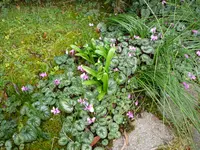
Divide congested clumps in late spring while leaves are just starting to yellow, replanting bulbs immediately at the same depth to maintain vigor and increase flowering stands.

Use Mesh Bulb Cages

In areas with rodents, plant bulbs in plastic or wire mesh bulb baskets set in the soil so roots can grow through while the bulbs remain protected from digging and eating.

Leaf-Litter Mulch

Apply a thin layer of shredded deciduous leaf mulch over the planting area in fall to mimic woodland conditions, moderating soil temperature and feeding the bulbs as the leaves break down.

Naturalize In Turf

If planting into lawns, choose an area that can remain unmown for 6–8 weeks after flowering so the foliage can recharge the bulbs, and mark the area so routine mowing does not start too early when growing Snowdrop.

Everything About Snowdrop

Common Pests and Diseases

Narcissus bulb fly

This pest lays eggs on or in bulbs, and the larvae tunnel inside, hollowing them out and causing weak or absent shoots. Symptoms include stunted or distorted leaves, poor flowering, and bulbs that feel soft or crumbly when inspected.

Solution

Lift and inspect suspect bulbs, discarding any that are hollow, rotten, or heavily tunneled. To reduce attack, plant bulbs a bit deeper, cover newly planted bulbs with fine mesh or fleece during the egg‑laying period, and destroy infested bulbs rather than composting them; in heavy problem areas, replant with clean bulbs and consider rotating with less-susceptible species.

Slugs and snails

These pests chew foliage and flower buds, leaving irregular holes and slime trails, particularly on young emerging shoots. Damage is usually worst in damp, mild weather and in dense groundcover or mulched beds.

Solution

Hand-pick slugs and snails in the evening or early morning, remove hiding places such as dense debris, and use physical barriers like copper tape or sharp grit around clumps. In gardens with repeated damage, targeted iron phosphate slug pellets can be used according to label directions, placed away from direct contact with bulbs.

Gray mold (Botrytis)

This disease causes soft, water-soaked spots on leaves and flowers that develop a fuzzy gray-brown mold in cool, damp conditions. Symptoms include collapsing foliage, spotted petals, and rapid decay of affected tissue.

Solution

Remove and dispose of all affected leaves, flowers, and plant debris, and avoid overhead watering so foliage dries quickly. Improve air circulation, thin crowded plantings, and in severe or recurring cases consider an appropriate ornamental bulb fungicide applied according to label directions before peak damp periods.

Basal bulb rot

This disease affects the base of the bulb, leading to browning, softening, and eventual collapse of the bulb and emerging shoots. Symptoms include yellowing foliage, poor emergence in spring, and bulbs that show brown, dry or slimy decay at the basal plate when cut open.

Solution

Dig up and discard any bulbs showing internal rot, and avoid replanting snowdrops in the same saturated or poorly drained spots. Plant only firm, healthy bulbs in well-drained soil, avoid excessive watering, and consider raised beds or adding grit to planting holes to improve drainage as part of long-term Galanthus woronowii care.

Interesting Facts

Distinctively broad leaves

This species has notably broader, glossier green leaves than most other snowdrops, with a bright, almost waxy surface that helps it photosynthesize efficiently in low late-winter light.

Caucasus mountain origin

It is naturally native to the humid, shaded woodlands of the western Transcaucasus, especially in parts of Georgia and northeastern Turkey, which explains its preference for cool, moist conditions in cultivation.

Early urban naturalizer

In some European cities it has escaped from gardens and formed self-sustaining colonies in parks and old cemeteries, where its early flowering provides one of the first nectar sources for emerging pollinating insects.

Botan icon

Did you know?

The species name woronowii honors the Russian botanist Georg Jurij Nikolaus Woronow, who studied the flora of the Caucasus region in the late 19th and early 20th centuries and contributed significantly to documenting its plant diversity.

FAQs about Snowdrop

Lack of flowers usually comes from bulbs planted too shallow or too deep, overcrowded clumps, or bulbs that dried out in summer. Avoid moving them while in leaf and allow foliage to die back naturally to recharge bulbs.

Grow Healthy Plants with Botan Care

Keep your plants happy and healthy with plant identification, disease detection, and easy care guidance.

Botan plant care app — identify plants on mobile

Explore More Plants