Hippeastrum vittatum Care

Hippeastrum vittatum

About Hippeastrum vittatum

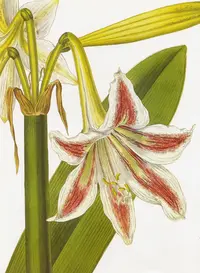
Hippeastrum vittatum is a bulb-forming flowering plant, best known for its large, trumpet-shaped blooms on tall, leafless stalks. Flowers are usually striped in red and white, giving a strong visual contrast.

This species originates from South America, where it grows in warm, seasonally dry regions. In cultivation it is often grown indoors in pots or as a temporary flowering display.

It tends to be manageable for most home growers because the bulb stores energy and tolerates short periods of neglect. Understanding how to care for Hippeastrum vittatum mainly involves providing bright light, a free-draining soil mix, and avoiding waterlogged conditions.

Main Plant Requirements

Care Difficulty

Moderate Care

Light Preference

Bright Indirect Light

Water Requirements

Moderate Water

Temperature Preference

Tropical / Frost Sensitive

Hardiness Zone

9–11

Soil Texture

Sandy, Loamy, Organic-rich

Soil pH

Acidic (5.5–6.5), Slightly acidic (6.5–7.0)

Soil Drainage

Well-drained

Fertilization

Light (every 4–6 weeks)

Get Personalized Care Plan

Scan your plant to receive care tips personalized for your specific plant

Available on iOS and Android

How to Care for the Hippeastrum vittatum

This bulb prefers bright, indirect light with some direct sun for strong flowering.

  • Provide 4–6 hours of direct morning sun or late afternoon sun, with bright filtered light the rest of the day, especially during active growth.
  • Outdoors, place Hippeastrum vittatum where it receives partial shade at midday to prevent leaf scorch and flower bleaching in strong summer sun.
  • If light is insufficient, stems stretch and blooms reduce; in winter, move containers to the brightest frost-free spot to maintain a strong bulb.

Watering should support firm bulbs and active leaves without leaving the soil soggy.

  • During active growth, water when the top 3–5 cm of soil feels dry, allowing excess to drain completely so the bulb base does not sit in water.
  • Use a free-draining mix or well-drained bed; soft, yellowing leaves and a collapsing bulb usually indicate overwatering and potential rot.
  • In late fall and early winter, reduce watering sharply as leaves die back, keeping soil barely moist to dry to support dormancy in Hippeastrum vittatum bulbs.

This species grows best in warm, frost-free conditions with a distinct cool rest period.

  • Aim for 65–80°F (18–27°C) during active growth, as these temperatures support strong leaves, roots, and flower development.
  • Protect bulbs from cold; growth slows below 55°F (13°C) and tissue damage occurs near 32°F (0°C), so lift or shelter plants before frost.
  • In hot spells above 90°F (32°C), provide light shade and good air movement to prevent stress, sunscald, and premature leaf yellowing.

This species tolerates typical indoor humidity but stays healthiest with slightly moderate levels.

  • Aim for 40–60% humidity; average heated-home air is usually adequate for Hippeastrum vittatum.
  • Dry air is generally tolerated, but very low humidity can cause leaf tip browning and slower leaf expansion.
  • If air is under 30%, group plants together or place the pot on a pebble tray with water below the pot base.

This bulb needs fast-draining, airy soil that dries moderately between waterings.

  • Use a loose, slightly sandy, organic-rich mix, such as 50% peat- or coir-based potting mix with 25% perlite and 25% coarse sand or fine bark.
  • Ensure sharp drainage so the bulb never sits in waterlogged soil, which quickly encourages rot.
  • Keep pH roughly neutral to slightly acidic, about 6.0–7.0, which supports nutrient availability for Hippeastrum vittatum care.
  • Avoid heavy clay, compacted mixes, or pure garden soil; lighten dense media by thoroughly blending in extra perlite and bark for better aeration.

This species is well suited to container growing when the pot is chosen to match its bulb and root habits.

  • Select a pot only 2–5 cm wider than the bulb so the roots are snug, which encourages reliable flowering.
  • Choose a sturdy, heavier container if the flowering stalks make the plant top-heavy, to reduce the risk of tipping.
  • Use a pot material that matches your watering style, such as porous terracotta for wetter homes or plastic for drier homes to balance moisture retention.

This bulb responds well to moderate, targeted feeding during its active growth phase.

  • Use a balanced liquid fertilizer (for example 10-10-10) at 1/2 strength every 2–3 weeks from leaf emergence until 4–6 weeks after flowering.
  • Alternatively, apply a thin layer of fine compost or a low-dose slow-release bulb fertilizer at the start of the growing season.
  • Avoid feeding dormant bulbs; stop fertilizing once Hippeastrum vittatum leaves begin yellowing and the plant enters rest.
  • Always water lightly before applying fertilizer to reduce root burn risk, and never exceed label rates.

Pruning needs are simple and focus on hygiene and directing energy to the bulbs.

  • After flowering, cut the spent flower stalk at the base, leaving healthy leaves to feed the bulb for next year’s blooms.
  • Remove yellow, dead, or damaged leaves at soil level using clean, sharp scissors or pruners to limit disease spread.
  • Avoid trimming green leaves, as this reduces photosynthesis and can weaken flowering in the next cycle.
  • In clumps of Hippeastrum vittatum, thin obviously diseased or very crowded stems to improve air flow around foliage.

Bulbs perform best when slightly pot-bound and only need infrequent repotting or division.

  • Plan to repot every 3–4 years, or when roots circle the pot, bulbs press against the container, or growth and flowering decline.
  • Best timing is late winter to early spring, just before new growth starts, allowing roots to re-establish quickly.
  • Choose a pot only 2–3 cm wider than the bulb group, set bulbs with the neck above the soil, and use a free-draining mix.
  • Handle Hippeastrum vittatum bulbs gently, trim rotted roots, and water lightly after repotting to reduce stress and rot risk.

New plants are most commonly raised from offsets, with seed used mainly for breeding or experimentation.

  • Divide bulb offsets in late winter or after flowering, when the plant is handled for repotting and bulbs are visible.
  • Gently separate firm side bulbs with roots attached and plant each in a small, free-draining pot with the neck exposed.
  • Keep the mix slightly moist, provide bright indirect light, and maintain temperatures around 65–75°F to support rooting and establishment.
  • Seed propagation of Hippeastrum vittatum requires fresh seed, warm temperatures, and patience, as flowering may take several years.

This tender bulb needs cool, frost-free conditions and a defined rest period in winter.

  • In climates below 40°F, grow in containers and move bulbs indoors before the first frost, into a cool, bright, dry place.
  • Allow foliage to yellow naturally, then remove it and keep the soil barely moist, not wet, during dormancy.
  • For in-ground plantings in mild regions, use a 5–8 cm mulch layer to insulate the root zone from brief cold spells.

Care Tips

Post-bloom resting

After flowering, cut only the spent flower stalk at the base and keep the leaves in bright light for 8–12 weeks so the bulb can recharge before you gradually reduce watering for its dry rest period.

Bulb crowding management

Repot or divide clumps only when bulbs are tightly crowded and flowering has declined, spacing bulbs so their shoulders sit above the mix and each has at least 5–7 cm of clear space to reduce rot and improve future bloom size.

Rot prevention setup

When potting, place a 1–2 cm layer of coarse grit or chunky perlite at the bottom of the pot and keep the bulb’s upper third above the surface to improve drainage and lower the risk of basal plate rot.

Seasonal light shift

In late summer to early fall, give the plant as much bright light as possible and keep it slightly on the dry side for several weeks, then move it to a cool, dry, dark place for 6–10 weeks to help trigger uniform dormancy and synchronized flowering.

Pest monitoring routine

Inspect leaves, bulb neck, and the area where bulb meets soil every 1–2 weeks for red blotch lesions, mealybugs, or scale insects, and isolate and treat affected plants promptly to protect long-term success when growing Hippeastrum vittatum.

Common Pests and Diseases

Red blotch

This disease causes bright red, sunken streaks or patches on leaves, flower stalks, and bulb scales, often leading to distortion and weak growth. Symptoms include cracked, brittle tissue around the spots as damage progresses.

Solution

Remove and discard all heavily marked leaves and outer bulb scales, then keep the bulb as dry and well ventilated as possible. At repotting, inspect bulbs carefully, dust wounds with a sulfur- or copper-based fungicidal powder labeled for ornamental bulbs, and avoid overhead watering to limit splash spread; this is one of the key aspects of Hippeastrum vittatum care instructions for long-term bulb health.

Bulb mites

These pests are tiny, pale mites that feed inside bulbs, causing soft, corky patches, slow growth, and poor or absent flowering. Symptoms include bulbs that feel spongy or show brown, crumbly tissue when outer scales are peeled back.

Solution

Discard severely infested bulbs and isolate suspicious ones immediately. For mild cases, trim out affected tissue, rinse the bulb under lukewarm running water, allow it to dry thoroughly, then replant in fresh, sterile medium and keep slightly on the dry side; avoid storing bulbs in damp, warm conditions where mites thrive.

Mealybugs

These insects form white, cottony clusters on leaves, in leaf bases, and around the neck of the bulb, sucking sap and excreting sticky honeydew. Symptoms include yellowing, weakened foliage and possible sooty mold growing on the honeydew.

Solution

Physically remove colonies using a cotton swab dipped in 70% isopropyl alcohol, and rinse foliage and bulb neck under a gentle stream of water. Follow up with several applications of insecticidal soap or a horticultural oil spray labeled for indoor ornamentals, applied to all plant surfaces and crevices at 7–10 day intervals until no new insects appear.

Narcissus bulb fly

This pest is a large fly whose larvae tunnel into bulbs, hollowing them out from the center and causing sudden collapse of leaves and failure to flower. Symptoms include leaves that yellow and topple easily, with the bulb showing a central cavity filled with soft, decayed tissue and maggots.

Solution

Remove and destroy any suspect bulbs, including larvae, to prevent further spread. To protect healthy bulbs, cover pot surfaces with fine mesh or grit to make egg laying difficult, avoid leaving bulbs exposed outdoors during the main egg-laying season, and store dormant bulbs in well-sealed containers.

Basal rot

This disease begins at the basal plate of the bulb, causing brown, dry to slightly soft rot that moves upward and leads to yellowing and collapse of leaves. Symptoms include a foul smell in advanced cases and roots that turn brown and brittle.

Solution

Discard bulbs with extensive rot, as they rarely recover. For early infections, cut out all affected tissue with a sterile knife, dust the wound with a fungicidal powder labeled for bulb treatment, dry the bulb in a warm, airy place for several days, then replant in fresh, free-draining mix and avoid overwatering, ensuring pots never sit in standing water.

Interesting Facts

Distinctive striped tepals

The flowers show striking red longitudinal stripes on a white background, a pattern that was historically used to distinguish this species from closely related Hippeastrum grown as ornamentals.

Peruvian coastal origin

This species is native to western Peru, where it grows in seasonally dry habitats that experience a marked contrast between wet and dry periods.

Historical bulb parent

Hippeastrum vittatum was used early in the 19th century as a parent in breeding programs, contributing its strong striping and large floral size to many modern hybrid amaryllis cultivars.

Botan icon

Did you know?

Early botanical descriptions from the late 18th and early 19th centuries treated this plant under different genera such as Amaryllis, and the eventual placement in Hippeastrum reflects a broader taxonomic shift separating South American species from the African Amaryllis belladonna.

FAQs about Hippeastrum vittatum

Lack of flowers usually comes from insufficient post-bloom leaf growth, inadequate light, or failure to provide a dry, cool rest period. Bulbs must recharge through healthy foliage, then experience dormancy before forming strong buds the next season.

Grow Healthy Plants with Botan Care

Keep your plants happy and healthy with plant identification, disease detection, and easy care guidance.

Botan plant care app — identify plants on mobile

Explore More Plants