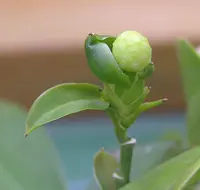
Wax Plant Care (Hoya lacunosa 'Royal Flush')

Also known as: Porcelain Flower, Hoya

About Wax Plant

Wax plant (Hoya lacunosa 'Royal Flush') is a compact, vining tropical plant grown mainly for its thick, glossy foliage and clusters of fragrant star-shaped flowers. It naturally occurs in Southeast Asia, where it grows as an epiphyte, anchoring itself on trees rather than in heavy soil.

This cultivar is known for its dark green to reddish leaves that can flush with more color under brighter light. It is generally considered moderate in difficulty, mainly because it dislikes overwatering and needs a stable, warm environment.

Understanding how to care for Wax Plant starts with providing bright, indirect light, a light and airy potting mix, and allowing the roots to dry slightly between waterings.

Main Plant Requirements

Care Difficulty

Moderate Care

Light Preference

Bright Indirect Light

Water Requirements

Moderate Water

Temperature Preference

Tropical / Frost Sensitive

Hardiness Zone

11–12

Soil Texture

Sandy, Loamy, Organic-rich

Soil pH

Acidic (5.5–6.5), Slightly acidic (6.5–7.0)

Soil Drainage

Well-drained

Fertilization

Light (every 4–6 weeks)

Get Personalized Care Plan

Scan your plant to receive care tips personalized for your specific plant

Available on iOS and Android

How to Care for the Wax Plant

This cultivar prefers bright, indirect light to maintain compact growth and leaf color.

  • Provide 6–8 hours of bright, filtered light daily, such as near an east or bright north window, or under sheer-curtained south light.
  • Tolerates light shade for part of the day, but very low light leads to sparse vines and reduced flowering in this Wax Plant.
  • Avoid harsh midday or strong afternoon sun, which can scorch leaves; in winter, move closer to the brightest window to compensate for shorter days.

This plant prefers thorough but infrequent watering with time to dry slightly between soakings.

  • Water when the top 2–4 cm of the mix feels dry, allowing water to drain fully and never leaving the pot standing in collected runoff.
  • In spring and summer, drying may happen faster; in autumn and winter, expect slower drying and reduce watering frequency accordingly.
  • Use a sharply draining mix; watch for yellow, mushy leaves as a sign of overwatering and wrinkling or soft, limp leaves as a sign of underwatering in Hoya lacunosa 'Royal Flush'.

Stable, warm conditions support steady growth and flowering for this cultivar.

  • Aim for 65–80°F (18–27°C) for active growth, with the warm end of the range encouraging faster development and blooming.
  • Keep above 55°F (13°C); brief drops near this level may slow growth, but prolonged cold or drafts can cause leaf drop or root stress.
  • Protect from frost and from heat above 90°F (32°C); in hot spells, increase air movement and shade from intense sun to reduce leaf stress.

This hoya prefers moderately humid air but usually adapts to typical home conditions.

  • Aim for 50–70% humidity to support steady growth and flowering.
  • It tolerates short spells of 35–40% humidity, but prolonged dry air can slow growth and dull Wax Plant foliage.
  • Low humidity stress shows as crispy leaf edges and stalled new leaves; increase humidity with grouped plants, a nearby humidifier, or a pebble tray.

This species prefers a loose, fast-draining, airy mix that dries fairly quickly between waterings.

  • Use a chunky mix of 40% fine bark, 30% perlite or pumice, and 30% peat or coco coir to balance moisture and airflow.
  • Ensure the mix is free draining; water should exit the pot within seconds without pooling on the surface.
  • Target a slightly acidic to neutral pH around 6.0–7.0, which supports nutrient availability for Hoya lacunosa 'Royal Flush'.
  • Avoid dense garden soil, pure compost, or mixes that stay wet for days, as these reduce aeration and promote root rot.

This compact vining hoya is well suited to container growing.

  • Choose a pot only 2–3 cm wider than the root ball to keep the mix drying evenly and reduce waterlogging risk.
  • Use a slightly heavier ceramic or clay pot if trailing vines make the plant top-heavy, to keep the container stable.
  • Select containers with multiple drainage holes so excess water leaves quickly, preventing water from collecting at the bottom and suffocating roots.

Hoya lacunosa 'Royal Flush' appreciates light, consistent feeding during active growth for steady foliage and flowering.

  • Use a balanced liquid fertilizer around 10-10-10 or 20-20-20, diluted to 25–50% strength.
  • Feed every 4–6 weeks in spring and summer when the Wax Plant is actively growing.
  • Skip or reduce feeding to 1 light application in late fall and none in deep winter.
  • Avoid heavy organic compost in pots; use a well-draining mix with optional slow-release granules used sparingly.

Hoya lacunosa 'Royal Flush' benefits from modest pruning to manage length and encourage fuller growth.

  • Prune in late winter to early spring, before strong new growth starts.
  • Remove dead, damaged, or tangled vines using clean, sharp scissors or pruning snips.
  • Shorten overly long stems to shape the plant and stimulate branching near the cuts.
  • Do not cut off old flower spurs, as these swollen nodes can rebloom on the same stems.

This hoya prefers slightly snug pots and only occasional repotting to maintain healthy growth.

  • Check for roots circling the pot, pushing from drainage holes, or slowed growth as signs to repot.
  • Plan repotting for spring, every 2–3 years, or only when clearly root-bound.
  • Move into a pot just 2–3 cm wider, using an airy, fast-draining mix to limit root rot risk.
  • Handle roots gently, keep the original root ball mostly intact, water lightly, and give bright, indirect light while the plant adjusts.

Hoya lacunosa 'Royal Flush' is commonly propagated from stem cuttings under warm, humid conditions.

  • Take 2–3 node cuttings in late spring or summer, including at least 1–2 leaf pairs.
  • Remove lower leaves and place the cut end in moist, airy mix or water, keeping nodes submerged or buried.
  • Maintain 70–80°F temperatures, bright indirect light, and high humidity for reliable rooting.
  • Pot rooted cuttings carefully, keep slightly moist, and avoid strong sun until growth is established.

This tropical hoya is frost-sensitive and needs mild, stable conditions in winter.

  • Keep indoor temperatures around 60–75°F and avoid exposure below 50°F.
  • Bring outdoor containers indoors before the first frost and place in bright, indirect light.
  • Water sparingly, letting the top mix dry between waterings, as growth slows in winter.
  • Keep foliage away from cold drafts and icy window glass; use a breathable pot cover to insulate roots if needed.

Care Tips

Encourage Fuller Vines

Pinch soft vine tips once they have 3–4 pairs of leaves to trigger side branching and create a denser plant rather than long, sparse runners.

Use Light Trellis

Guide young vines onto a thin hoop or mesh trellis instead of thick supports so the delicate stems can wrap easily and form an even, ornamental display.

Protect Sticky Leaves

Place the plant away from dusty air vents and kitchens, and gently wipe the slightly textured leaves with a damp cloth a few times per year to keep stomata clear and reduce pest buildup.

Preempt Mealybugs

Inspect leaf undersides and stem joints every 2–3 weeks, and at the first sign of mealybugs dab them with isopropyl alcohol on a cotton swab before switching to a labeled systemic insecticide if the infestation spreads.

Stimulate Flowering Cycles

After a good flush of growth in spring–summer, keep the plant slightly rootbound and avoid repotting for 1–2 years, as mild root restriction often supports more reliable blooming when growing Wax Plant indoors.

Common Pests and Diseases

Mealybugs

This pest often hides in leaf axils and along stems, feeding on sap and causing leaf yellowing, distortion, and sticky honeydew. Symptoms include slowed growth and sooty mold developing on the sugary residue.

Solution

Remove visible insects with a cotton swab dipped in 70% isopropyl alcohol, then rinse the foliage with lukewarm water and mild soap. Isolate the plant, repeat spot treatments weekly until no new insects appear, and improve light and airflow to support recovery as part of general Hoya lacunosa 'Royal Flush' plant care.

Spider mites

These insects thrive in warm, dry indoor air and cause fine stippling, dull leaves, and webbing between the small leaves and along stems. Symptoms include slow decline in vigor and leaves that feel rough or sandy to the touch.

Solution

Shower the plant thoroughly with lukewarm water, including the undersides of leaves, then use an insecticidal soap or neem oil spray every 5–7 days for several cycles. Increase humidity to 50–60% and avoid placing the plant directly over heating vents to make conditions less favorable for mites.

Soft scale

This pest appears as small, dome-shaped bumps along stems and leaf veins and produces honeydew that can lead to sooty mold. Symptoms include sticky leaves, weak growth, and yellowing or dropping foliage on heavily infested vines.

Solution

Manually scrape or wipe off individual scales with a fingernail or cotton swab dipped in 70% isopropyl alcohol, then wash the plant with a mild soapy water solution. Repeat inspections weekly and apply horticultural oil to stems and leaf undersides to smother remaining juveniles, ensuring good ventilation while the spray dries.

Sooty mold

This disease is a dark, powdery fungal growth that develops on honeydew left by sap-sucking insects such as mealybugs, scale, or aphids. Symptoms include black film on leaves that blocks light and reduces photosynthesis, making the plant appear dull and unhealthy.

Solution

Address the underlying insect infestation first, then gently wipe affected leaves with a damp cloth and mild soapy water to remove the fungal layer. Improve air circulation around the plant and avoid leaving sticky honeydew on the foliage to prevent reinfection.

Interesting Facts

Color-shifting foliage

Young leaves often emerge bronze to reddish and deepen to a darker, almost flush tone under higher light, while lower light conditions keep the foliage more uniformly green. This color change reflects varying levels of protective pigments that help shield the leaves from excess light.

Scented night-blooming umbels

The plant produces clusters of small, white to cream, fuzzy star-shaped flowers that typically release a stronger fragrance in the evening and at night. This pattern suggests adaptation to nocturnal pollinators in its native relatives, such as moths.

Compact growth habit

Compared with many other hoyas, this cultivar tends to stay relatively compact with shorter internodes, giving it a fuller look in hanging containers. This makes Wax Plant indoor care more manageable in limited spaces.

FAQs about Wax Plant

Lack of blooms usually comes from insufficient light, heavy pruning of older vines, or frequent repotting. Allow the plant to become slightly rootbound, keep stable conditions, and avoid cutting off mature spurs where flower clusters form.

Grow Healthy Plants with Botan Care

Keep your plants happy and healthy with plant identification, disease detection, and easy care guidance.

Botan plant care app — identify plants on mobile

Explore More Plants