Fusaea longifolia Care

Fusaea longifolia

About Fusaea longifolia

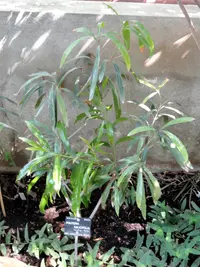
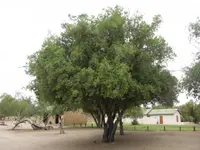
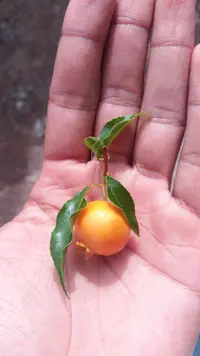
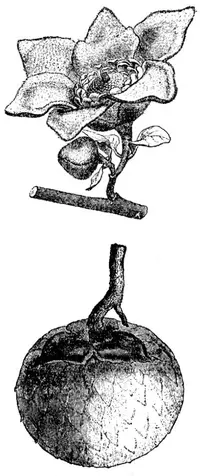
Fusaea longifolia is a tropical evergreen tree from the custard apple family, typically found in lowland rainforests of northern South America. It develops a slender to medium trunk with a rounded crown and elongated, glossy green leaves. Small, often fragrant flowers are followed by elongated fruits, a feature that reflects its close relationship to other Annona relatives. In cultivation, it prefers warm, humid conditions, evenly moist but well-drained soil, and protection from cold and strong wind. For those learning how to care for Fusaea longifolia, its main challenges are sensitivity to low temperatures and a need for consistent moisture without waterlogging.

Main Plant Requirements

Care Difficulty

Moderate Care

Light Preference

Partial Shade

Water Requirements

Moderate Water

Temperature Preference

Tropical / Frost Sensitive

Hardiness Zone

Unknown

Soil Texture

Loamy, Organic-rich

Soil pH

Acidic (5.5–6.5), Slightly acidic (6.5–7.0)

Soil Drainage

Moist but well-drained

Fertilization

Minimal (feed rarely)

Get Personalized Care Plan

Scan your plant to receive care tips personalized for your specific plant

Available on iOS and Android

How to Care for the Fusaea longifolia

This species prefers bright, filtered light similar to an understory tropical tree environment.

  • Provide 4–6 hours of bright, indirect light daily, with gentle morning sun and protection from harsh midday and late-afternoon rays.
  • Allow light, shifting shade under taller vegetation; Fusaea longifolia tolerates partial shade but may grow more slowly and flower less in very dim sites.
  • Watch for leaf scorch, yellowing, or crispy edges from excessive sun, and sparse, elongated shoots as a sign that light levels are too low, especially in winter.

Watering should mimic a consistently moist but not saturated rainforest soil profile.

  • Let the top 2–4 cm of soil dry slightly, then water thoroughly so moisture reaches the deeper root zone without leaving standing water.
  • Use deep, well-drained soil rich in organic matter; adjust watering after heavy rain or in clay-rich sites to prevent waterlogging and root rot.
  • In warm, active growth periods, expect more frequent watering and watch for drooping or dull leaves as a sign of dryness; pale, mushy roots or sour smell indicate overwatering.

Stable warm conditions support healthy growth and flowering.

  • Aim for 70–85°F (21–29°C) during active growth; this mirrors the warm, humid lowland habitats where the species is native.
  • Avoid temperatures below 55°F (13°C); brief drops to 45–50°F (7–10°C) may be survived but can slow growth and increase disease risk.
  • Protect from frost and cold winds, and provide light shade plus extra watering and mulch during hot spells above 95°F (35°C) to reduce heat stress.

This species prefers consistently moist, warm-air conditions and reacts quickly to dry indoor climates.

  • Aim for 60–80% humidity, as Fusaea longifolia is adapted to humid lowland tropical forest air.
  • It tolerates brief dips to 40–50%, but prolonged dry air causes leaf edge browning, rolling, and stalled growth.
  • Increase humidity with a nearby humidifier, grouped plants, or an evaporation tray rather than misting, which adds only short-lived surface moisture.

This species performs best in a deep, loose, organically rich substrate that drains freely yet holds consistent moisture.

  • Use a loamy mix with 40–50% organic matter (composted bark, leaf mold, or coco coir), plus coarse sand or perlite for structure.
  • Ensure rapid drainage by including 20–30% perlite or pumice so water moves through the profile within a few seconds after watering.
  • Target slightly acidic soil, roughly pH 5.5–6.5, to keep nutrients such as iron and manganese available and prevent leaf chlorosis.
  • Avoid heavy clay, compacted ground, or mixes with high peat and no coarse particles, which lead to airless roots and increased rot risk.

This species can be grown in large containers if the root system receives enough depth and stable moisture.

  • Choose a tall, heavy pot that resists tipping as the woody framework and canopy become larger and potentially wind-exposed.
  • Select thick-walled terracotta or similar porous material when extra evaporation is needed to offset very wet climates or frequent rain exposure.
  • Layer a coarse, chunky base mix in the lower third of the pot to prevent perched water at the bottom and protect deeper roots from stagnation.

Nutrient needs are modest, so use light, steady feeding rather than heavy doses for Fusaea longifolia.

  • Apply a balanced slow-release fertilizer (around 10-10-10) in spring at low label rates to support new growth.
  • During the warm growing season, supplement with diluted liquid feed at 1/4–1/2 strength every 4–6 weeks if growth is pale or weak.
  • Use well-rotted compost as a surface mulch once a year to improve soil structure and gentle nutrient supply.
  • Stop feeding in late fall and winter to avoid forcing soft, frost-sensitive growth.

Pruning focuses on safety, structure, and removing weak wood rather than heavy shaping in Fusaea longifolia.

  • Carry out main pruning in late winter or very early spring, before active growth starts.
  • Remove dead, diseased, crossing, or storm-damaged branches with clean, sharp bypass pruners or a handsaw.
  • Thin crowded interior shoots to improve light and airflow, encouraging a stable, open canopy form.
  • Limit cuts to smaller branches where possible to reduce stress and lower the risk of decay.

This tree is usually grown in the ground, so management centers on careful transplanting rather than frequent repotting.

  • Transplant young plants in late spring or early summer, once soil is warm and risk of frost has passed.
  • Look for signs such as circling roots, poor drainage, or very slow growth if kept in a nursery container.
  • Move to a hole 2–3× wider than the root ball, keeping the root flare at soil level and backfilling with native soil.
  • Water deeply after planting, apply a 5–8 cm mulch ring, and maintain even moisture to reduce transplant shock.

Propagation of Fusaea longifolia is possible but usually handled by experienced growers or nurseries.

  • Use fresh seeds sown in warm, free-draining substrate, as viability drops quickly once seeds dry.
  • Sow in late spring to early summer at 75–85°F with gentle bottom heat to support germination.
  • Maintain high humidity and bright, indirect light, keeping the medium just moist, never waterlogged.
  • Seedlings should be grown on in small containers until roots are well established before outdoor planting.

This tropical tree is frost sensitive and needs thoughtful winter management in cooler climates.

  • In mild, frost-free regions, normal mulching and soil moisture monitoring are usually sufficient.
  • In marginal climates, apply a 5–8 cm organic mulch over the root zone, keeping it away from the trunk.
  • Container plants should be moved indoors or into a heated greenhouse before temperatures drop near 40°F.
  • Avoid winter pruning or high-nitrogen feeding, which can promote tender growth more prone to cold injury.

Care Tips

Early structural staking

Install a sturdy central stake or light tripod frame when the plant is still young to guide upright growth and prevent wind rock and root disturbance as the trunk thickens.

Progressive canopy training

Select 3–5 well-spaced primary branches and gently tip-prune competing shoots over several seasons to create an open, layered canopy that improves airflow and light penetration to inner foliage.

Mulch root zone

Apply a 5–8 cm layer of coarse organic mulch around but not touching the trunk to stabilize soil moisture, buffer root temperature, and reduce weed competition in the root zone.

Wind and storm protection

In exposed sites, use windbreak fabric or plant the tree near a permanent barrier and loosely secure young stems to supports to reduce breakage and stress from strong winds.

Routine pest scouting

Inspect young shoots, leaf undersides, and flower buds every 1–2 weeks for scale, mealybugs, or chewing damage, and treat early with targeted products such as horticultural oil to keep caring for Fusaea longifolia manageable over time.

Common Pests and Diseases

Leaf spot

This disease causes dark, irregular spots on leaves that may expand and merge under hot, wet conditions in lowland Amazonian climates. Symptoms include premature yellowing and drop of older foliage when humidity stays high and air movement is poor.

Solution

Prune and discard affected leaves, improve spacing and airflow around the canopy, and avoid wetting foliage when watering. In very humid areas, a copper-based fungicide or chlorothalonil applied according to label directions can help protect new growth, and regular sanitation of fallen leaves reduces reinfection when growing Fusaea longifolia.

Anthracnose

This disease produces sunken, tan to dark-brown lesions on young leaves, shoots, and sometimes fruit, often following prolonged rain or overhead irrigation. Symptoms include distorted new growth and tip dieback when infections are severe.

Solution

Remove and destroy infected shoots and leaves, cutting back into healthy tissue and disinfecting pruners between cuts. Reduce leaf wetness by using drip or soaker hoses, and in high-pressure areas apply a registered broad-spectrum fungicide preventively at the start of the rainy period, following label intervals.

Scale insects

These insects attach tightly to stems and leaf veins as small, domed or oval bumps and suck sap, leading to yellowing leaves and weakened growth. This pest often produces sticky honeydew that encourages black sooty mold on foliage and fruit.

Solution

Wipe or gently scrape off light infestations with a cotton pad dipped in diluted alcohol, and prune heavily infested twigs. For larger plants, use repeated applications of horticultural oil to thoroughly coat stems and leaf undersides, and encourage natural predators by avoiding broad-spectrum insecticides.

Whiteflies

These insects form small, white, moth-like clouds that rise from the foliage when disturbed and feed on the undersides of leaves. This pest weakens the plant by sap feeding and can cause leaf yellowing, curling, and honeydew accumulation.

Solution

Regularly inspect the undersides of leaves and wash them with a strong but controlled stream of water to dislodge nymphs. For persistent populations, use yellow sticky traps to monitor adults and apply insecticidal soap or light horticultural oil, repeating treatments to target new hatchings while maintaining good airflow around the plant.

Mealybugs

These insects appear as white, cottony clusters in leaf axils, on young shoots, and around roots in containers, sucking sap and slowing growth. This pest may cause leaf drop, stunting, and sticky honeydew on nearby surfaces.

Solution

Isolate affected plants, then dab visible insects with a cotton swab dipped in diluted alcohol and remove heavily infested shoots. For broader infestations, use repeated insecticidal soap or systemic insecticides labeled for woody tropicals, and reduce excess nitrogen fertilization, which encourages soft, mealybug-prone new growth.

Interesting Facts

Amazon floodplain specialist

This small Annonaceae tree is native to seasonally flooded Amazonian forests, where it tolerates periods of soil saturation that would damage many other woody species.

Beetle-pollinated flowers

Its cream to yellowish, somewhat fleshy flowers are pollinated mainly by beetles, a common trait in the Annonaceae family, and release their scent mostly at specific times to match beetle activity.

Edible aromatic fruit

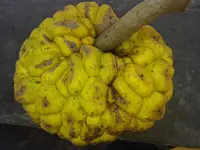
The elongated fruits are edible and aromatic and are locally collected in parts of northern South America as minor wild fruit, although they are not widely cultivated.

FAQs about Fusaea longifolia

Growth is moderate rather than fast. In warm, frost-free climates, this plant may add around 20–40 cm of height per year, slowing as it matures. Container culture or cooler conditions usually reduce this rate noticeably.

Grow Healthy Plants with Botan Care

Keep your plants happy and healthy with plant identification, disease detection, and easy care guidance.

Botan plant care app — identify plants on mobile

Explore More Plants