Jacket-plum Care (Pappea capensis)

Also known as: Judgement Tree, Indaba tree, Bushveld cherry, Lobengula's Indaba Tree, Lobengula's Judgement, Wild Amandel
Jacket-plum

About Jacket-plum

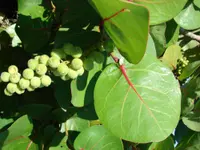
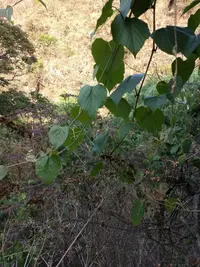
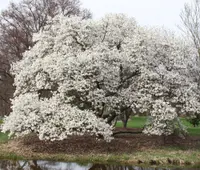
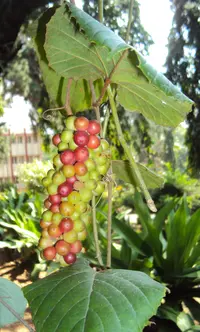
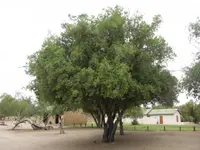
Jacket-plum, Pappea capensis, is a small to medium evergreen tree known for its dense, rounded crown and attractive grey bark. It often produces small greenish flowers followed by edible, plum-like fruits.

This species is native to southern Africa, where it grows in savanna and dry woodland, showing good tolerance to heat, wind, and periodic drought. It is generally slow growing but long lived, which suits it to long-term landscape planting.

In cultivation, it prefers full sun, well-drained soil, and moderate but not constant moisture. These traits make it relatively forgiving once established and help guide how to care for Jacket-plum in home gardens.

Main Plant Requirements

Care Difficulty

Easy Care

Light Preference

Full Sun

Water Requirements

Low Water

Temperature Preference

Warm Climate

Hardiness Zone

9–11

Soil Texture

Sandy, Loamy, Rocky

Soil pH

Slightly acidic (6.5–7.0), Neutral (7.0)

Soil Drainage

Well-drained

Fertilization

Minimal (feed rarely)

Get Personalized Care Plan

Scan your plant to receive care tips personalized for your specific plant

Available on iOS and Android

How to Care for the Jacket-plum

This drought-hardy small tree prefers bright, open positions with plenty of direct sun.

  • Provide 6–8 hours of direct sun daily; full sun promotes dense growth and good fruiting in Jacket-plum.
  • Tolerates light or partial shade, especially in the afternoon, but too much shade slows growth and reduces flowering and fruit set.
  • Young plants benefit from some protection from harsh afternoon summer sun to prevent leaf scorch, especially in very hot, exposed sites.

This species is drought tolerant once established and prefers infrequent, deep watering.

  • In the ground, water thoroughly only when the top 5–8 cm of soil are dry, focusing on long, soaking sessions rather than light sprinkling.
  • Reduce watering in cool seasons; allow soil to dry more between waterings, but avoid prolonged bone-dry conditions in the first 2–3 years.
  • Use well-drained, sandy or loamy soil; symptoms of excess water include yellowing, soft leaves, while severe drooping and crispy tips suggest underwatering in Pappea capensis.

This semi-arid tree prefers warm conditions and does best in mild, frost-free climates.

  • Optimal growth occurs around 70–86°F (21–30°C), with good performance in typical warm temperate to subtropical outdoor conditions.
  • Mature trees can briefly tolerate down to about 25–28°F (-4 to -2°C), but repeated or hard frosts can damage young shoots and small plants.
  • Handles hot summers up to 100°F (38°C) if soil is not waterlogged; in heatwaves, mulch the root zone to moderate soil temperature and moisture loss.

Humidity is rarely a limiting factor for this hardy, drought-adapted species.

This species prefers well-drained, gritty soil that mimics dry woodland or savanna conditions.

  • Use a sandy or loamy mix with coarse particles so water runs through quickly and roots stay aerated.
  • Aim for slightly acidic to neutral pH around 6.0–7.5, avoiding strongly acidic or saline conditions.
  • Blend 50–70% coarse sand or fine gravel with 20–30% loam and 10–20% compost for structure and moderate nutrients.
  • Avoid compacted, waterlogged, or heavy clay soils by loosening with mineral grit or crushed fine gravel before planting Pappea capensis.

This species can be grown in containers, especially during its early years or in cool climates.

  • Choose a deep, heavy pot that stabilizes the developing woody root system and resists tipping in strong wind.
  • Use a sharply draining mix and elevate the container slightly so drainage holes never sit in collected runoff.
  • In hot regions, prefer thick-walled clay or concrete containers that moderate root temperature and prevent rapid moisture swings.

This drought-tolerant South African tree needs only light feeding in containers or poor soils; in the ground it often copes without extra fertilizer.

  • Use a balanced, slow-release fertilizer (around 10-10-10) or a thin layer of mature compost at the start of spring.
  • Feed container-grown Jacket-plum every 8–10 weeks during the warm growing season only.
  • Dilute liquid fertilizer to 1/2 strength if used instead of slow-release granules to avoid root burn.
  • Stop feeding in late fall and do not apply fertilizer during winter dormancy.

Pruning Pappea capensis is mainly about maintaining a sound structure and removing problem wood rather than heavy shaping.

  • Carry out main pruning in late winter to early spring before strong new growth starts.
  • Remove dead, diseased, crossing, or inward-growing branches to improve airflow and light penetration.
  • Shorten or thin crowded shoots to guide a single- or multi-stem tree form as desired.
  • Use clean, sharp bypass pruners or a small pruning saw, making smooth cuts just outside the branch collar.

This species is usually grown in the ground; container plants are temporary and should be transplanted once well established.

  • Look for roots circling the pot drainage holes, dry-out faster than usual, or noticeably slowed growth as signs it needs a larger space.
  • Plan transplanting for late spring to early summer when soil is warm and the tree is actively growing.
  • Move young plants every 2–3 years into a slightly larger hole or container with well-drained, sandy soil.
  • Water deeply before and after transplanting, keep the root ball intact, and shade the plant for 3–5 days to limit transplant shock.

New plants are most often raised from seed, with vegetative methods used less frequently for Pappea capensis.

  • Collect fully ripe seeds, clean off flesh, and sow in spring in a deep tray with sandy, free-draining mix.
  • Provide warm conditions around 70–80°F, steady moisture, and good air movement to support germination.
  • Cover seeds lightly, then keep the medium just moist, never waterlogged, to avoid damping-off disease.
  • Transplant seedlings carefully once several true leaves appear, handling them by the leaves rather than the delicate stems.

This tree is only moderately frost tolerant and benefits from basic winter care in cooler regions.

  • In USDA zones colder than 9, grow P. capensis in containers and move indoors or into a bright, frost-free space for winter.
  • Apply a 5–8 cm layer of organic mulch around the root zone, keeping it slightly away from the trunk base.
  • In light-frost areas, use breathable frost cloth on young trees during predicted hard freezes to limit tissue damage.

Care Tips

Wind-form training

In exposed sites, lightly stake young plants for the first 1–2 years and loosen ties annually so the trunk can flex in wind and develop a strong, tapered form.

Deep root encouragement

During the first 2–3 growing seasons, apply water less often but in long, slow sessions that penetrate 30–40 cm to encourage a deep, drought-resilient root system.

Sucker management

Inspect the base and root zone twice a year and promptly cut away basal shoots and root suckers at ground level to maintain a single-trunked tree structure.

Canopy lift planning

Once the plant is established, remove a few low interior branches every 1–2 years in late winter to gradually lift the canopy and improve access for harvesting fruit.

Wildlife and fruit hygiene

If fruit attracts birds or creates a slip hazard, harvest promptly and clear fallen fruit weekly in season, using collected material for compost or wildlife feeding stations placed away from paths to simplify caring for Jacket-plum.

Common Pests and Diseases

Scale insects

This pest feeds on sap along young stems and leaves, often appearing as small, brown, shell-like bumps. Symptoms include leaf yellowing, sticky honeydew, and sooty mold growth on the sugary residue.

Solution

Prune and discard heavily infested twigs, then wipe remaining scales off stems and leaves with a cloth dipped in diluted alcohol or soapy water. For larger shrubs or trees, apply a horticultural oil spray during mild weather to smother remaining insects, repeating after 7–10 days if needed.

Leaf miners

These insects create pale, winding tunnels inside the leaf blade, which reduce photosynthesis and can cause premature leaf drop on young plants. Damage is most visible as irregular, silvery or light-colored trails on older leaves.

Solution

Remove and destroy affected leaves to break the life cycle before larvae pupate. For high-value or young specimens, use a systemic insecticide labeled for leaf miners or introduce beneficial parasitoid wasps if growing Pappea capensis in a suitable outdoor habitat that supports biological control.

Caterpillars

These insects chew irregular holes and edges in leaves, and heavy feeding can temporarily defoliate young trees. Symptoms include ragged foliage and, in some cases, visible frass (droppings) on lower leaves or around the base.

Solution

Hand-pick caterpillars where practical and prune small, heavily infested shoots. If damage persists, use a targeted biological product containing Bacillus thuringiensis (Bt), applying in the late afternoon and repeating as directed on the label.

Sooty mold

This disease is a superficial black fungal growth that develops on honeydew excreted by sap-sucking insects such as scale or aphids. Symptoms include black, soot-like coating on leaves and stems that can reduce light reaching the leaf surface.

Solution

Control the underlying honeydew-producing insects first, then gently wash affected foliage with a soft cloth or spray of clean water to remove the mold layer. Improve air circulation around the plant through light pruning so leaves dry quickly after rain or irrigation.

Leaf spot

This disease causes small, dark, sometimes tan-centered spots on older leaves, which may merge into larger necrotic patches during humid periods. Symptoms include scattered lesions and occasional early leaf drop on stressed or crowded plants.

Solution

Collect and dispose of fallen leaves, and prune dense inner growth to improve airflow and reduce leaf wetness duration. In recurrent or severe cases, apply a copper-based fungicide at the start of warm, wet weather, following label directions and avoiding application during high heat.

Interesting Facts

Single-species genus

Pappea capensis is the only species in the genus Pappea, making it a monotypic genus within the soapberry family (Sapindaceae). This reflects a distinct evolutionary lineage separate from other African fruit trees in the same family.

Two-stage fruit development

Its fruits first develop a dry, green, velvety capsule that later splits open to reveal fleshy, edible arils surrounding the seeds. This two-stage structure supports both protection of immature seeds and later attraction of fruit-eating animals for seed dispersal.

Semi-succulent drought strategy

The leaves of Pappea capensis are slightly leathery and can behave semi-succulently, allowing the plant to reduce water loss and tolerate periodic drought. This adaptation supports its survival in savanna, bushveld, and rocky habitat mosaics across southern Africa.

Botan icon

Did you know?

In parts of its native range, Pappea capensis often functions as a natural wildlife resource island, with its dense canopy used by birds for nesting, its flowers visited by many insect pollinators, and its fruits eaten by mammals such as antelope and monkeys, all around the same individual tree.

FAQs about Jacket-plum

This small tree grows slowly to moderately, adding roughly 20–40 cm per year in suitable conditions. Growth is faster in deep, well-drained soil with regular moisture and warmth, and slower in shallow, compacted, or nutrient-poor sites.

Grow Healthy Plants with Botan Care

Keep your plants happy and healthy with plant identification, disease detection, and easy care guidance.

Botan plant care app — identify plants on mobile

Explore More Plants