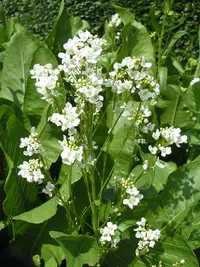
pomegranate Care (Punica granatum)

Also known as: Granado
pomegranate

About pomegranate

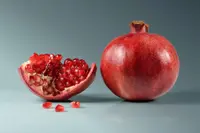
Pomegranate, Punica granatum, is a long-lived deciduous shrub or small tree grown for its ornamental flowers and glossy leaves, as well as its edible fruits. It usually forms a dense, multi-stemmed shape with orange-red blossoms and rounded fruits containing many bright, juicy seeds.

This species is native to regions from Iran to northern India and has been cultivated around the Mediterranean for centuries. It adapts well to warm, relatively dry climates and can tolerate poor, well-drained soils, which makes it manageable for many gardeners.

Understanding how to care for pomegranate starts with providing plenty of sun, moderate but steady moisture, and soil that does not stay waterlogged.

Main Plant Requirements

Care Difficulty

Moderate Care

Light Preference

Full Sun

Water Requirements

Moderate Water

Temperature Preference

Warm Climate

Hardiness Zone

7–10

Soil Texture

Sandy, Loamy

Soil pH

Acidic (5.5–6.5), Slightly acidic (6.5–7.0)

Soil Drainage

Well-drained

Fertilization

Minimal (feed rarely)

Get Personalized Care Plan

Scan your plant to receive care tips personalized for your specific plant

Available on iOS and Android

How to Care for the pomegranate

This sun-loving shrub fruits best with strong, direct light for much of the day.

  • Provide 6–8 hours of direct sun daily; full sun from morning to mid-afternoon supports flowering and fruiting for pomegranate.
  • In hot inland summers, give slight afternoon shade or filtered light to reduce leaf scorch and fruit sunburn while maintaining strong light overall.
  • In cooler seasons or cloudy climates, prioritize the brightest, least-obstructed site, avoiding dense shade that causes weak shoots and poor bloom set.

This species prefers deep, infrequent watering rather than frequent light applications.

  • Outdoors in the ground, water when the top 5–8 cm of soil is dry, soaking the root zone thoroughly, then allow it to dry again.
  • Use well-drained soil; prolonged puddling, sour smell, or yellowing, soft leaves indicate overwatering and possible root stress in Punica granatum.
  • During cool seasons, reduce frequency, but in hot, dry weather increase deep waterings, watching for dull, curling leaves as a sign of drought stress.

This shrub is adapted to warm, dry climates with cool winters and hot summers.

  • Active growth and fruiting occur best at 70–90°F (21–32°C); brief peaks to 95–100°F (35–38°C) are tolerated if soil moisture is adequate.
  • The plant is typically hardy to about 10–15°F (-12 to -9°C), but young growth and blossoms are damaged by late frosts below 28°F (-2°C).
  • Allow a cool winter rest around 35–50°F (2–10°C) where possible; avoid rapid swings between hot days and near-freezing nights to limit stress and fruit drop.

Humidity is rarely a limiting factor for pomegranate, which adapts well to typical indoor and outdoor ranges.

  • Target 30–60% relative humidity; avoid persistently saturated, steamy spaces that encourage fungal issues.
  • Dry household air is usually tolerated, but prolonged very dry air can cause marginal leaf browning and premature leaf drop.
  • Increase humidity only if leaves crisp at the edges by grouping plants, using a nearby tray of water and stones, or running a room humidifier.

Punica granatum prefers a well-aerated, fast-draining, moderately fertile substrate.

  • Use a sandy or loamy mix with 30–50% mineral content such as coarse sand or fine gravel to prevent waterlogging.
  • Aim for slightly acidic to neutral pH around 6.0–7.0, adding compost if the mix is poor but avoiding heavy peat-only substrates.
  • Combine standard potting mix with coarse sand and perlite in roughly equal parts to increase drainage and root-zone aeration.
  • Avoid compacted, clay-heavy, or constantly wet soils, which predispose roots to rot and reduce flowering and fruiting potential.

This species is well suited to container growing, including dwarf cultivars.

  • Choose a deep, heavy container that balances the shrub’s woody, top-heavy canopy and reduces tipping in wind or on balconies.
  • Select slightly porous materials such as unglazed terracotta if extra evaporation is needed to offset frequent watering in wet climates.
  • Use a pot with generous drainage holes and a slight elevation from the ground so excess water exits quickly and does not reabsorb into the root zone.

Nutrient input supports strong growth and fruiting in Punica granatum, especially in containers.

  • Use a balanced NPK fertilizer (such as 10-10-10) or well-rotted compost for established plants in spring.
  • Feed container plants every 4–6 weeks during the growing season with a half-strength liquid or slow-release product.
  • Reduce or stop feeding in fall and winter when growth slows or plants are fully dormant.
  • Water before and after applying fertilizer to limit root burn and improve nutrient uptake.

Thoughtful pruning keeps Punica granatum productive, well-shaped, and easier to manage.

  • Carry out main pruning in late winter or very early spring before new growth starts.
  • Remove dead, diseased, crossing, or inward-growing branches to improve air flow and light penetration.
  • Shorten overly long shoots and select a few strong framework branches to define the tree or shrub shape.
  • Use clean, sharp bypass pruners or loppers, making angled cuts just above outward-facing buds.

Container-grown pomegranate and young Punica granatum trees benefit from periodic repotting or careful transplanting.

  • Look for roots circling the pot, water running straight through, or reduced vigor as signs a larger container or planting spot is needed.
  • Plan repotting or transplanting for early spring or very early fall, avoiding extreme heat or cold.
  • Expect to move young container plants every 2–3 years into a pot 2–5 cm wider, using free-draining soil.
  • Handle roots gently, loosen crowded root balls slightly, water thoroughly, and shade or wind-shelter for a few days to reduce transplant shock.

Punica granatum is commonly propagated by semi-hardwood cuttings and by seed for new plants.

  • Take semi-hardwood cuttings in late spring or summer, 10–15 cm long, with several nodes.
  • Dip cut ends in rooting hormone and place in a moist, well-drained medium under bright, indirect light and warmth around 70–80°F.
  • Sow fresh seeds in spring in a light seed mix, barely covered, kept evenly moist and warm for germination.
  • Maintain high humidity around cuttings using a clear cover while allowing some airflow to prevent rot.

Cold tolerance in Punica granatum varies by variety, but most benefit from moderate winter protection in cooler climates.

  • In the ground, mulch 5–8 cm around the root zone, keeping material slightly away from the trunk base.
  • In regions below about 10–15°F, wrap young trunks with breathable frost cloth or burlap to reduce bark damage.
  • Move container plants indoors or into a bright, frost-free garage or porch when hard frost is forecast.

Care Tips

Root sucker control

Inspect the base of the plant a few times each season and cut off root suckers at or below soil level so the main trunk receives more energy and fruiting remains strong.

Fruit thinning practice

When fruits are marble to golf-ball sized, remove weaker or crowded fruits so that only 1–2 remain per cluster, which reduces branch stress and improves final fruit size and quality.

Branch spreader training

Use simple wooden spreaders or soft ties to gently widen narrow branch angles in young plants, aiming for 45–60° angles that better support heavy fruit without splitting.

Crack reduction strategy

Mulch the root zone and keep soil moisture relatively even during fruit enlargement to help reduce sudden swings in water uptake that can cause fruits to crack.

Timely harvest checks

Begin checking fruits weekly for full color development, a slightly metallic sound when tapped, and easy detachment, since timely harvest is one of the most effective steps in caring for pomegranate and preventing losses from splitting or wildlife damage.

Common Pests and Diseases

Aphids

This pest feeds on young shoots and leaves, sucking sap and causing curling, distortion, and sticky honeydew that can lead to sooty mold. Heavy infestations weaken new growth and reduce flowering and fruit set.

Solution

Spray shoots and leaf undersides with a strong stream of water to dislodge insects, then treat remaining colonies with insecticidal soap or a light horticultural oil, repeating every 7–10 days as needed. Encourage natural predators such as lady beetles outdoors and avoid high-nitrogen fertilization that stimulates very soft, aphid-prone growth when managing Punica granatum plant care.

Pomegranate butterfly

This pest, also called fruit borer, lays eggs on flowers and young fruits; the larvae tunnel into fruits, causing premature fruit drop and internal rotting. Symptoms include small entry holes and frass on the fruit surface.

Solution

Remove and destroy infested fruits as soon as damage is noticed to break the life cycle, and collect fallen fruits frequently. Use fine netting or bags over developing fruits where practical and apply a targeted Bacillus thuringiensis (Bt) product to flowers and young fruits according to label directions in areas where this pest is common.

Leaf-footed bugs

These insects pierce pomegranate fruits and suck out juices, causing hard, corky spots inside the arils and sometimes surface blemishes or premature fruit drop. Damage may not be obvious from the outside until fruits are opened.

Solution

Handpick and remove bugs in early morning when they are sluggish, and prune nearby dense shrubs where they hide. Install fine mesh netting around fruit clusters if infestations are recurring, and use insecticidal soap or pyrethrin-based products directed at nymphs rather than adults, following label instructions.

Alternaria fruit rot

This disease causes dark, sunken lesions on the blossom end of the fruit and can lead to internal blackening and decay of arils. Symptoms often start at the calyx end and may be associated with fruit that remains wet for long periods.

Solution

Remove and discard all affected fruits and any mummified fruits left on the tree or ground to reduce spore sources. Improve airflow by thinning crowded branches, avoid overhead irrigation that wets fruit, and in regions with frequent outbreaks consult local extension services about approved preventive fungicide sprays during flowering and early fruit development.

Botrytis blossom and fruit rot

This disease develops in cool, moist conditions, causing blossom blight and gray mold on flowers and young fruits, which may shrivel and drop. In severe cases, gray fuzzy fungal growth appears on affected tissues.

Solution

Prune to open the canopy and increase air circulation, and avoid wetting flowers and young fruits with overhead watering. Remove and dispose of infected blossoms and fruitlets promptly, and in high-risk climates consider preventive fungicide sprays labeled for Botrytis during bloom, following local recommendations and label directions.

Interesting Facts

Many-seeded berry

Botanically, the pomegranate fruit is a specialized berry called a balausta, containing hundreds of individual arils, each formed from a single seed surrounded by a fleshy, sugar-rich outer layer.

Ancient cultivated lineage

Archaeobotanical evidence shows that pomegranate was domesticated in the Near East thousands of years ago and has been cultivated continuously since at least early Bronze Age civilizations for its fruit and symbolic value.

Remarkable salt tolerance

Punica granatum exhibits relatively high tolerance to soil salinity compared with many fruit trees, so it can still produce crops in moderately saline or marginal soils where more sensitive species decline.

Botan icon

Did you know?

Individual pomegranate trees can live and remain productive for several decades, and there are documented specimens over 100 years old that still bear fruit under suitable growing conditions.

FAQs about pomegranate

Yellowing leaves often result from overwatering, poor drainage, or sudden temperature changes. Check the root zone for soggy soil, improve drainage, and remove waterlogged saucers. Mild yellowing on older leaves can also occur during natural seasonal shedding.

Grow Healthy Plants with Botan Care

Keep your plants happy and healthy with plant identification, disease detection, and easy care guidance.

Botan plant care app — identify plants on mobile

Explore More Plants