tea crab apple Care (Malus hupehensis)

Also known as: Hupeh Crabapple, Hupeh crab, Chinese crab apple, flowering tea crabapple
tea crab apple

About tea crab apple

Tea crab apple, Malus hupehensis, is a small deciduous tree grown mainly for its soft pink spring blossom and small decorative fruits. It usually forms a rounded crown with fine branching and attractive green foliage that turns warm colors in autumn.

This species is native to China and has adapted well to many temperate gardens and landscapes. It is generally considered manageable to grow, as long as it receives enough sun, moderately moist but well-drained soil, and some airflow to limit disease.

Gardeners often care for tea crab apple as an ornamental feature tree, valued for seasonal interest rather than fruit production. Its modest size makes it suitable for smaller yards and informal plantings.

Main Plant Requirements

Care Difficulty

Moderate Care

Light Preference

Full Sun

Water Requirements

Moderate Water

Temperature Preference

Cold Hardy

Hardiness Zone

4–8

Soil Texture

Loamy, Sandy, Clay

Soil pH

Acidic (5.5–6.5), Slightly acidic (6.5–7.0)

Soil Drainage

Moist but well-drained

Fertilization

Minimal (feed rarely)

Get Personalized Care Plan

Scan your plant to receive care tips personalized for your specific plant

Available on iOS and Android

How to Care for the tea crab apple

This small flowering tree needs abundant outdoor light to bloom and fruit well.

  • Provide 6–8 hours of direct sun daily; morning sun with some light afternoon shade suits tea crab apple in hotter regions.
  • Young trees benefit from a bit of filtered light during the first 1–2 summers to reduce leaf scorch and transplant stress.
  • In cooler climates it tolerates full sun all day; in deep or prolonged shade, expect weak growth, sparse flowers, and increased disease risk.

This species prefers consistently moist, well-drained soil rather than strict watering schedules.

  • During the first 2–3 years, water when the top 5–8 cm of soil feels dry, then soak the root zone deeply and allow excess water to drain away.
  • In summer heat, monitor more often for dull, curling, or drooping leaves, which signal thirst; reduce watering in fall and keep only slightly moist in winter.
  • Avoid soggy conditions; yellowing leaves, dieback at twig tips, or fungal growth near the base can indicate overwatering or poor drainage around Malus hupehensis.

This hardy deciduous tree thrives in climates with cold winters and moderate summers.

  • Active growth and flowering are strongest around 55–75°F (13–24°C), with cool winters needed to satisfy its chilling requirement for reliable blooming.
  • Established trees tolerate winter lows near -20°F (-29°C); young trees benefit from mulch over the root zone to buffer freeze–thaw cycles.
  • Mature plants handle short heat waves up to about 90–95°F (32–35°C) if soil is moist, but prolonged extreme heat can cause leaf scorch and reduced fruit set.

Humidity is rarely a limiting factor for Malus hupehensis, which adapts well to typical outdoor conditions in most temperate gardens.

Malus hupehensis prefers moderately fertile, consistently moist, well-drained soil with a stable structure.

  • Use a loamy soil rich in organic matter that holds moisture yet does not stay waterlogged.
  • Aim for slightly acidic to neutral pH around 6.0–7.0 to support balanced nutrient uptake.
  • In heavier clay, incorporate 30–40% compost plus coarse sand or fine gravel to improve aeration and drainage.
  • Avoid compacted or low-lying spots where water stands after rain, as roots are sensitive to prolonged saturation.

This species can be grown in large containers for several years when given ample root volume and careful moisture control.

  • Choose a deep, heavy container that resists tipping as the tree develops a taller canopy and seasonal fruit load.
  • Select a potting mix that is slightly heavier than standard soilless mix by adding 20–30% loam to improve anchoring and moisture buffering.
  • Position the container where wind exposure is reduced, since a top-heavy tree in a pot is more prone to rocking and root disturbance.

Malus hupehensis benefits from modest, well-timed feeding rather than heavy fertilization.

  • Apply a balanced slow-release fertilizer (around 10-10-10) once in early spring as new growth begins.
  • Use a light top-dressing of compost around the drip line to improve soil structure and microbial life.
  • Avoid midsummer to fall feeding so new shoots harden before winter, especially in colder climates.
  • For container-grown tea crab apple, dilute liquid fertilizer to 1/2 strength every 4–6 weeks in spring–early summer only.

Thoughtful pruning keeps Malus hupehensis healthy, attractive, and flowering well.

  • Schedule main pruning in late winter to very early spring before bud break.
  • Remove dead, diseased, crossing, or inward-growing branches to open the canopy and improve air flow.
  • Shorten or thin crowded shoots to maintain a balanced framework and enhance light penetration for better bloom and fruit set.
  • Use clean, sharp bypass pruners or loppers, making cuts just outside the branch collar to promote proper healing.

This species is usually grown in the ground, so transplanting young trees matters more than container repotting.

  • Transplant in late fall or very early spring while the tree is fully dormant to limit stress.
  • Look for slowed growth, circling roots, or trees becoming unstable as signs a container specimen needs a larger pot or planting out.
  • Move to a hole or container 2–3 times wider than the root ball, using well-drained loam and positioning at the same soil depth.
  • Water thoroughly after planting, mulch 5–8 cm deep, and keep soil evenly moist for the first growing season to support root establishment.

Malus hupehensis is commonly propagated by seed and softwood cuttings for home landscapes and nursery production.

  • Collect ripe fruits in fall, clean seeds, and cold-stratify them in moist medium at 34–41°F for about 3 months.
  • Sow stratified seeds in spring in well-drained, sterile mix, keeping the surface just moist and in bright, indirect light.
  • Take softwood cuttings in late spring–early summer, treat bases with rooting hormone, and place in a humid, ventilated environment.
  • Maintain bottom warmth around 70°F and avoid waterlogging to reduce rot and encourage steady root formation.

This crab apple is cold hardy and usually needs minimal winter care once established in the landscape.

  • Tolerates freezing temperatures typical of many temperate regions when planted in the ground with good drainage.
  • Apply 5–8 cm of organic mulch around the root zone, keeping it a few cm away from the trunk, to moderate soil temperature.
  • Wrap the lower trunk of young trees with breathable tree guards in winter to limit sunscald and rodent damage.
  • Move container-grown trees into a sheltered unheated garage or porch in very cold areas, keeping soil slightly moist but not wet.

Care Tips

Rootstock Selection

Choose disease-resistant, dwarfing or semi-dwarfing rootstocks from a reputable nursery to control tree size, improve anchorage, and reduce issues such as fire blight and root diseases over the long term.

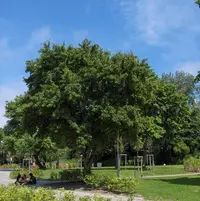
Structured Scaffold Training

In the first 3–5 years, select 3–5 well-spaced main branches in tiers around the trunk and remove steep, upright competitors to build a strong scaffold that resists breakage under heavy bloom and fruit loads.

Branch Angle Management

Use simple spreaders or soft ties to widen narrow branch crotch angles to about 45–60° during the first years, which improves light penetration, reduces risk of split crotches, and encourages better flowering.

Sanitation Against Scab

In autumn, promptly rake and remove fallen leaves and mummified fruit from under the canopy to reduce overwintering spores of apple scab and other fungal diseases, lowering infection pressure the following spring.

Wildlife And Wind Protection

Install a breathable trunk guard and, in exposed sites, a low windbreak fence or shrub planting on the prevailing-wind side to protect young bark from rodents, sunscald, and wind rock when growing tea crab apple.

Common Pests and Diseases

Apple scab

This disease causes olive-green to dark brown, velvety spots on leaves and young fruit, leading to distortion, cracking, and premature leaf drop.

Solution

Remove and discard fallen leaves and mummified fruit in autumn, avoid overhead watering, and prune to improve air circulation; in regions with a history of apple scab, apply a preventive fungicide labeled for crabapples at bud break and repeat as directed during wet spring weather.

Fire blight

This disease leads to blackened, wilted shoots that look scorched, with infected blossoms and twigs often forming a characteristic shepherd’s crook shape.

Solution

Prune out infected shoots 20–30 cm below visible damage during dry weather, disinfecting tools between cuts, and avoid high-nitrogen fertilization that promotes soft, susceptible growth; in areas with frequent outbreaks, consider spring applications of a registered bactericide during bloom following local extension recommendations.

Cedar-apple rust

This disease produces bright orange or yellow leaf spots and can cause leaf yellowing and early leaf drop on susceptible trees, especially where junipers grow nearby.

Solution

Rake and remove heavily infected fallen leaves, prune nearby ornamental junipers to reduce spore sources if practical, and use a preventive fungicide labeled for rust on crabapples starting at early leaf emergence in areas with a known rust problem.

Aphids

These insects cluster on tender shoots and leaf undersides, sucking sap and causing curling, yellowing, and sticky honeydew that can lead to sooty mold growth.

Solution

Spray colonies off young shoots with a strong stream of water, encourage natural predators such as lady beetles, and when populations are high use insecticidal soap or horticultural oil, making thorough contact with affected shoot tips and leaf undersides.

Apple maggot

This pest is a small fly whose larvae tunnel through developing fruit, causing brown trails, internal breakdown, and premature fruit drop.

Solution

Collect and destroy infested and fallen fruit promptly to break the life cycle, place sticky red sphere traps or yellow sticky cards in the canopy to monitor and reduce adults, and in high-pressure areas apply a fruit-safe insecticide on the schedule recommended for local apple maggot control if fruit quality is a priority.

Interesting Facts

Distinct two-tone foliage

Young leaves often emerge bronze or purplish and then mature to a clear green, creating a noticeable two-tone canopy in spring and early summer.

Fragrant spring blossom

The tree produces abundant white to pale pink flowers in mid-spring that are distinctly fragrant and highly attractive to bees and other pollinators.

Persistent red fruit

Small red crab apples often remain on the branches well into winter, providing a food source for birds and adding color after leaf fall.

Botan icon

Did you know?

This species originates from central China and was introduced to Western horticulture in the late 19th and early 20th century, becoming valued in arboretums and botanical gardens as a representative of East Asian crab apple diversity.

FAQs about tea crab apple

Flowering usually occurs in mid to late spring, depending on climate. Buds open over several days, then peak bloom often lasts 1–2 weeks. Cooler, mild weather extends display, while heat, wind, and heavy rain shorten it.

Grow Healthy Plants with Botan Care

Keep your plants happy and healthy with plant identification, disease detection, and easy care guidance.

Botan plant care app — identify plants on mobile

Explore More Plants