Early scaffold training
In the first 3–5 years, select 3–5 well-spaced main branches around the trunk and gently spread them to a 45–60° angle using cloth ties and stakes to build a strong, storm-resistant framework.

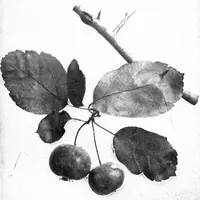
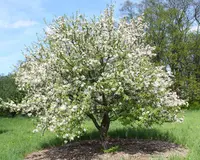
Sweet crab apple, Malus coronaria, is a small deciduous tree or large shrub known for its fragrant spring blossoms and small, tart fruits. It typically forms a rounded, sometimes irregular crown with dense branching and attractive seasonal change.
This species is native to eastern North America, where it grows in open woods, thickets, and edges with good light. It is generally hardy and adaptable, which makes it manageable to care for sweet crab apple in many garden settings.
Malus coronaria prefers full sun, moderately moist but well-drained soil, and benefits from good air circulation to reduce disease pressure.

Care Difficulty
Moderate Care

Light Preference
Full Sun

Water Requirements
Moderate Water

Temperature Preference
Cold Hardy

Hardiness Zone
4–8

Soil Texture
Loamy, Sandy, Clay

Soil pH
Acidic (5.5–6.5), Slightly acidic (6.5–7.0)

Soil Drainage
Moist but well-drained

Fertilization
Minimal (feed rarely)
Scan your plant to receive care tips personalized for your specific plant
Available on iOS and Android
Malus coronaria needs full sun for best flowering and fruit set but tolerates some light shade.
Malus coronaria prefers evenly moist, well-drained soil, especially during establishment.
This hardy crab apple thrives in climates with cold winters and moderate summers.
This species grows well in typical outdoor humidity and rarely needs special humidity management.
Malus coronaria prefers deep, moist but well-drained, fertile mineral soil for stable long-term growth.
This species can be grown in containers when kept as a small patio tree or juvenile specimen, but long-term container culture is demanding.
Malus coronaria grows well in average soil and benefits from modest, targeted feeding during the active season.
Pruning Malus coronaria is mainly done to maintain a healthy framework and encourage good flowering.
This species is usually grown in the ground, so focus on careful transplanting rather than frequent repotting.
Malus coronaria is commonly propagated by seed and sometimes by softwood cuttings for specific traits.
Malus coronaria is cold hardy in much of its range and usually needs minimal winter care in the ground.

Plant Health Check
Not sure what's wrong with your plant? Check your plant's health inside the app.
This North American crab apple produces strongly fragrant, pale pink flowers in late spring, often after leaves have started to unfold, which makes the blossoms particularly visible in woodland edges and open thickets.
The species is naturally common on calcareous soils, showing good tolerance of high pH and rocky limestone substrates where many other tree species struggle to establish.
Its small, sour fruits persist into winter and are an important food source for birds and small mammals, while the dense branching offers nesting and cover habitat.

Malus coronaria is one of the few crab apple species native to eastern North America and has been used historically in breeding programs to introduce disease resistance and cold hardiness traits into cultivated apple and ornamental crab apple varieties.
Lack of flowers usually relates to insufficient light, heavy pruning of younger wood, or nutrient imbalance. Late frosts can also kill flower buds. Consistent conditions and patient Malus coronaria care often restore normal spring blooming over several seasons.
Keep your plants happy and healthy with plant identification, disease detection, and easy care guidance.