Hijal Care (Barringtonia acutangula)

Also known as: Indian Putat, Brackwater Mangrove, Guava, Horse Chestnut, Powder-Puff Tree
Hijal

About Hijal

Hijal, Barringtonia acutangula, is a semi-aquatic, small to medium tree often found along rivers, ponds, and wetlands in South and Southeast Asia. It naturally grows in warm, humid climates and tolerates periodic flooding.

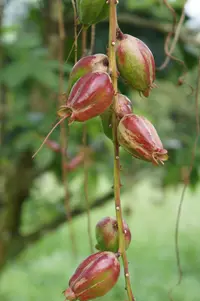
The tree has glossy green leaves, dense branching, and long hanging flower spikes with white and pinkish stamens that give it a soft, brushlike look. Its woody fruits are buoyant and help it spread along waterways.

This species is best suited to outdoor, frost-free locations and is not a typical indoor houseplant. It prefers consistently moist soil, high humidity, and full sun to light shade, so owners should learn how to care for Hijal before planting it in a garden or water-edge landscape.

Main Plant Requirements

Care Difficulty

Hard Care

Light Preference

Full Sun

Water Requirements

Aquatic

Temperature Preference

Tropical / Frost Sensitive

Hardiness Zone

10–12

Soil Texture

Loamy, Clay, Silty

Soil pH

Slightly acidic (6.5–7.0), Neutral (7.0)

Soil Drainage

Waterlogged tolerant

Fertilization

Minimal (feed rarely)

Get Personalized Care Plan

Scan your plant to receive care tips personalized for your specific plant

Available on iOS and Android

How to Care for the Hijal

Barringtonia acutangula thrives in warm, bright conditions typical of tropical riverbanks.

  • Provide 6–8 hours of direct sun daily, ideally with morning sun and light afternoon shade, which suits Hijal growth and flowering.
  • Tolerates partial shade (3–4 hours direct sun) but may produce fewer flowers and a more open canopy in shadier spots.
  • Avoid exposed, all-day harsh afternoon sun in very hot climates, which can scorch young leaves; in winter, maximize light by avoiding dense shade.

This semi-aquatic tree prefers consistently moist conditions, often near water bodies in nature.

  • Maintain soil that is moist to wet; in the ground, allow only the top 1–2 cm to dry before the next deep soaking if rainfall is low.
  • Barringtonia acutangula tolerates seasonal flooding and brief standing water, but prolonged stagnation in poorly aerated, compacted soil can weaken roots.
  • In dry or hot seasons, watch for wilting or dull, limp leaves as a cue to increase watering; yellowing leaves and sour-smelling soil suggest overwatering stress.

This tropical tree prefers warm, frost-free climates for reliable growth and flowering.

  • Optimal growth occurs around 75–90°F (24–32°C), with steady warmth supporting stronger shoots and flowering.
  • Minimum tolerance is about 40°F (4°C); brief dips below this can cause leaf drop, and hard frost can kill young trees or new growth.
  • In hot periods above 95°F (35°C), ensure access to abundant water and, if possible, light afternoon shade to limit heat stress and leaf scorch.

This species prefers consistently moist, warm air but adapts moderately to typical outdoor humidity in warm regions.

  • Aim for 60–80% humidity when growing Hijal in sheltered or courtyard settings.
  • Watch for leaf-edge browning or curling and slow new growth as signs of low-humidity stress.
  • Increase local humidity with nearby water features, grouping moisture-loving plants, or placing containers near ponds or other open water.

This wetland tree requires consistently moist, structured soil that holds water yet still allows some aeration around the roots.

  • Use a deep, loamy mix enriched with organic matter such as compost and leaf mold to mimic riverbank conditions for Barringtonia acutangula.
  • Allow slow drainage rather than free-draining sand; a mix of loam, compost, and a small amount of coarse sand works well for container or controlled beds.
  • Target slightly acidic to neutral pH, around 6.0–7.0, adjusting with elemental sulfur or lime only if a soil test shows strong deviation.
  • Avoid compacted clay without organic amendment and avoid completely drying the root zone, which stresses this naturally water-associated species.

This species can be grown in large containers when moisture and stability are carefully managed.

  • Choose a tall, heavy container to counterbalance the developing woody canopy and reduce tipping in wind.
  • Select thick-walled clay or concrete pots outdoors to moderate root temperature and slow moisture loss between waterings.
  • Elevate the pot slightly on feet so drainage water escapes freely and the lower root zone does not sit in stagnant runoff.

This wetland tree benefits from light, targeted feeding in containers or poor soils, while in rich ground Hijal often manages with minimal supplementation.

  • Use a balanced slow-release fertilizer (around 10-10-10) or well-rotted compost for container-grown or nutrient-poor-site plants.
  • Feed lightly every 6–8 weeks during the warm growing season if growth is pale or weak.
  • Apply fertilizers at 1/2 strength for young plants to avoid root burn and salt buildup.
  • Stop or greatly reduce feeding in cooler months when growth naturally slows.

Pruning Barringtonia acutangula is mainly used to maintain structure, clearance, and safe branch form.

  • Carry out shaping and thinning at the end of the dry or cooler season, before active growth resumes.
  • Remove dead, diseased, crossing, or storm-damaged branches with clean, sharp bypass pruners or a pruning saw.
  • Thin congested interior shoots to improve airflow and light penetration, which supports healthier foliage and flowering wood.
  • Limit heavy canopy reductions to staged cuts over 2–3 years to reduce stress and large wound surfaces.

This species is usually grown in the ground, so transplanting young trees correctly matters more than frequent repotting.

  • Transplant at the start of the warm, rainy season to support rapid root establishment and reduce water stress.
  • Shift container plants only when roots circle the pot, drainage slows, or growth becomes noticeably stunted.
  • Move up just 1 pot size, keep the root ball intact, and backfill with a free-draining, moisture-retentive mix.
  • Water deeply after transplanting, then keep soil evenly moist and shaded for 1–2 weeks to limit transplant shock.

New Barringtonia acutangula plants are most reliably raised from fresh seed under warm, moist conditions.

  • Collect mature, healthy fruits, remove the outer flesh, and sow seeds soon after harvest for best viability.
  • Sow in a deep tray or pot with a moist, free-draining mix and keep at 77–86°F in bright, indirect light.
  • Maintain consistently moist (not waterlogged) conditions; germination is often slow and uneven over several weeks.
  • Semi-ripe stem cuttings may root under high humidity and bottom warmth, but success rates are variable.

This tropical to subtropical tree is not frost hardy and needs protection in climates with cold winters.

  • In ground, use a 5–8 cm mulch layer around the root zone in late fall, keeping it off the trunk base.
  • In frost-prone areas, grow in large containers that can be moved into a bright, frost-free space for winter.
  • Reduce watering in cool conditions, keeping the root zone just slightly moist to prevent rot in semi-dormant roots.

Care Tips

Bankside placement

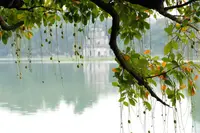
Site plants on gently sloping or periodically wet ground near ponds or drainage swales so roots experience the seasonal flooding this species is adapted to, while avoiding constant deep submersion of young trees.

Wind and crown management

In windy locations, use a stout stake for the first 2–3 years and selectively thin crowded interior branches so the broad crown catches less wind and is less likely to suffer storm damage.

Wet-season access planning

When planting, leave a clear access path and work zone around the trunk so pruning, inspection, and harvesting can be done safely even when surrounding soil is saturated or partially flooded.

Mosquito habitat control

If trees overhang water features, keep water moving with a small pump or fountain and avoid stagnant pools beneath the canopy, as the flower and leaf litter can contribute to mosquito breeding sites.

Flood-adapted mulching

Use a coarse, wood-based mulch layer 5–8 cm thick that is pulled back 5–8 cm from the trunk so it stays in place during heavy rain yet allows the root collar to dry and reduces fungal collar rot risk when growing Hijal in wet-ground plantings.

Common Pests and Diseases

Leaf miner larvae

This pest feeds inside young leaves, creating winding, pale tunnels and distorted foliage. Symptoms include reduced vigor on tender new growth, especially in hot, humid conditions.

Solution

Prune and destroy heavily mined leaves to remove larvae, then encourage new growth with steady watering and balanced nutrition. For ongoing problems, apply a horticultural oil or spinosad spray targeting young flushes of foliage, and avoid unnecessary nitrogen spikes that trigger very soft, pest-prone growth.

Scale insects

These insects attach to twigs and leaf undersides, appearing as small, dome-shaped or flat bumps, and excrete sticky honeydew that can lead to black sooty mold. This pest is often found on semi-woody shoots and along leaf midribs of riverine species like this one.

Solution

Wipe or gently scrub reachable stems and leaves with a soft cloth dipped in mild soapy water, then rinse thoroughly. For larger trees, use horticultural oil sprays to smother the scales, repeat every 7–10 days for several cycles, and encourage natural predators by avoiding broad-spectrum insecticides.

Leaf spot

This disease causes brown to dark purplish spots on leaves, sometimes with yellow halos and premature leaf drop during wet, warm weather. Symptoms include patchy thinning of the canopy, especially on inner, shaded foliage with poor air movement.

Solution

Remove and discard affected leaves from the tree and ground to reduce fungal spores, and improve airflow by light thinning of crowded branches. In prolonged humid conditions, a copper-based or other labeled ornamental tree fungicide can be applied to young foliage, with good coverage and timing before extended rainfall.

Powdery mildew

This disease produces a white to gray powdery coating on young leaves, buds, and tender shoots, which can curl or distort and grow slowly. Symptoms include reduced flowering and a dull, dusty appearance on new growth in shaded, humid sites with poor air circulation.

Solution

Increase sunlight exposure where possible, reduce overcrowding, and water at soil level rather than over the canopy. Prune infected shoots, and treat remaining foliage with a labeled powdery mildew control such as potassium bicarbonate, sulfur, or horticultural oil, applied during cooler parts of the day to avoid leaf burn.

Termite damage

These insects can attack older wood, especially in trunks or branches that experience periodic flooding and subsequent drying, leading to internal galleries and structural weakness. Symptoms include hollow-sounding branches, frass (fine wood dust), and localized dieback of affected limbs.

Solution

Cut out and destroy heavily infested branches to remove active colonies and reduce structural risk. For landscape trees, consult local arborist or pest services for targeted soil or trunk treatments labeled for termites, and reduce wood debris or constantly moist wood near the base of the tree to make the site less attractive.

Interesting Facts

Freshwater flood tolerance

This species often grows along rivers and floodplains and can tolerate periods of inundation, with roots and lower stems adapted to withstand low-oxygen conditions in standing water.

Night-blooming flowers

Its brush-like flowers open mainly in the evening and at night, releasing a noticeable scent that attracts nocturnal pollinators such as moths and certain bats.

Habitat for aquatic life

Overhanging branches and fallen leaves from this tree provide shelter and organic matter for fish and invertebrates in slow-moving tropical waters, contributing to local freshwater ecosystem structure.

Botan icon

Did you know?

In parts of its native range, especially in South and Southeast Asia, the dense wood of this tree has been traditionally used for making tools and small implements because it is relatively hard and durable compared with many other riverine tree species.

FAQs about Hijal

Poor flowering often comes from insufficient light, nutrient imbalance, or lack of seasonal temperature contrast. Check that the plant is mature, not heavily pruned at the wrong time, and receives consistent moisture without waterlogging.

Grow Healthy Plants with Botan Care

Keep your plants happy and healthy with plant identification, disease detection, and easy care guidance.

Botan plant care app — identify plants on mobile

Explore More Plants