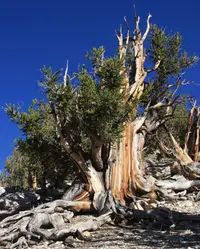
Chihuahua Pine Care (Pinus leiophylla)

Also known as: Smooth-leaved Pine, yellow pine, pino real
Chihuahua Pine

About Chihuahua Pine

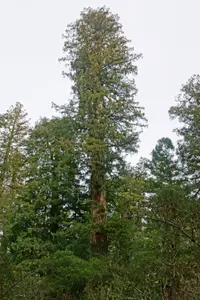
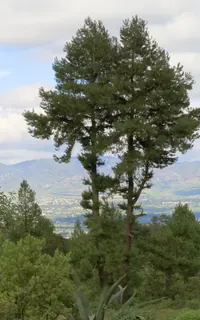
Chihuahua pine, Pinus leiophylla, is a medium to tall coniferous tree known for its narrow crown and long, slender needles in bundles. It often forms open, airy canopies rather than dense, shaded crowns.

This species is native to the highlands of Mexico and parts of the southwestern United States, where it grows in dry, rocky, and often nutrient-poor soils. It is adapted to drought and seasonal temperature changes, which can make it relatively resilient once established.

To care for Chihuahua Pine, growers usually provide full sun, well-drained soil, and only moderate moisture. Its tolerance of poor conditions suits low-maintenance landscapes in suitable climates.

Main Plant Requirements

Care Difficulty

Moderate Care

Light Preference

Full Sun

Water Requirements

Low Water

Temperature Preference

Warm Climate

Hardiness Zone

7–9

Soil Texture

Sandy, Loamy, Rocky

Soil pH

Acidic (5.5–6.5), Slightly acidic (6.5–7.0)

Soil Drainage

Well-drained

Fertilization

Minimal (feed rarely)

Get Personalized Care Plan

Scan your plant to receive care tips personalized for your specific plant

Available on iOS and Android

How to Care for the Chihuahua Pine

This pine favors bright, open sites with long daily sun exposure for dense, healthy growth.

  • Provide 6–10 hours of direct sun daily; full sun from morning through mid-afternoon supports strongest wood and needle development.
  • Young Chihuahua Pine trees tolerate light afternoon shade in very hot, dry regions to limit needle scorch and excessive soil drying.
  • Avoid prolonged shade from buildings or dense trees; sparse foliage, long weak shoots, and poor cone production indicate insufficient light over the growing season.

This drought-tolerant pine prefers deep, infrequent watering once established.

  • Allow the top 5–8 cm of soil to dry before watering; in well-drained ground, deep-soak until the root zone is moistened, not saturated.
  • During the first 2–3 years, check soil after hot, dry spells; bluish, dropping needles suggest drought stress, while yellowing on lower branches can signal chronically wet soil.
  • Ensure sharply drained, gritty or sandy soil; standing water or heavy clay greatly increases root rot risk for Pinus leiophylla.

This species is adapted to wide temperature swings but still benefits from defined thermal limits.

  • Optimal growth occurs around 60–80°F (16–27°C) during the growing season, with cooler nights promoting sturdy, compact shoots.
  • Mature trees tolerate winter lows near 5–10°F (-15 to -12°C); brief dips slightly below may be survived, but young plants need protection from hard freezes.
  • Heat tolerance is high up to about 95°F (35°C) if soil is not waterlogged; during heatwaves, soil moisture should not be allowed to swing from bone-dry to flooded.

This pine tolerates a wide humidity range and usually does not need special humidity management.

  • Target 30–60% air humidity, which suits both typical heated homes and outdoor conditions.
  • The Chihuahua Pine handles dry air well; brown needle tips usually come from drought or heat, not low humidity.
  • If air is very dry and hot, reduce stress by shading during the harshest sun and ensuring consistent soil moisture rather than misting.

Pinus leiophylla grows best in mineral, well-aerated soil that drains freely and never stays waterlogged.

  • Use a sandy or gritty loam with low to moderate organic matter, mimicking rocky mountain slopes.
  • Aim for slightly acidic to neutral pH around 6.0–7.0 to support nutrient uptake and root health.
  • Combine roughly 50–60% coarse sand or grit, 20–30% loam, and 10–20% fine bark to increase drainage and structure.
  • Avoid heavy clay, peat-heavy mixes, or compacted ground, and break up dense layers to improve aeration and prevent root suffocation.

This species can be grown in containers for some years, especially as a young or dwarf selection.

  • Choose a deep, heavy pot to anchor the developing taproot and prevent the upright plant from tipping in wind.
  • Use tall, narrow containers to guide roots downward rather than outward, which reduces circling and improves stability.
  • Select thick-walled clay or concrete pots in hot regions to buffer root temperatures and slow moisture loss on exposed patios.

Pinus leiophylla is adapted to nutrient-poor soils and usually needs minimal fertilization in the ground.

  • For container-grown Chihuahua Pine, use a balanced slow-release fertilizer (around 10-10-10) at half strength in early spring.
  • Feed once more in mid-summer if growth is weak, avoiding heavy applications that cause lush, weak shoots.
  • Do not fertilize in late fall or winter, when growth is naturally slow or dormant.

Pruning Pinus leiophylla is mainly corrective and should be kept light.

  • Best time is late winter to early spring, before active growth starts.
  • Remove dead, diseased, or crossing branches with clean, sharp bypass pruners or a pruning saw.
  • Thin crowded interior shoots slightly to improve airflow while keeping the natural form.
  • Avoid cutting back into old, bare wood, since pines do not reshoot well from these areas.

This pine is typically grown in the ground, so focus on careful transplanting rather than frequent repotting.

  • Transplant in late winter or very early spring, while still dormant, to reduce stress.
  • Look for signs such as circling roots in containers or very slow growth before shifting to a larger pot or site.
  • Dig a wide root ball, keep roots shaded and moist, and replant promptly at the same soil depth.
  • Water deeply after planting, then maintain moderate moisture until new growth shows successful establishment.

Propagation of Pinus leiophylla is usually done from seed and requires patience and specific conditions.

  • Collect ripe cones, extract seeds, and use only firm, filled seeds for sowing.
  • Provide cold stratification at about 34–41°F for 6–8 weeks to break dormancy.
  • Sow in a free-draining, slightly acidic mix, just barely covering the seeds, in late winter to early spring.
  • Keep the medium evenly moist, provide bright light, and protect young seedlings from intense heat and drought.

Established Pinus leiophylla is cold hardy in much of its range and usually needs little winter care.

  • In colder regions, apply a 5–8 cm mulch layer over the root zone, keeping it away from the trunk.
  • Shelter young trees from drying winter winds with temporary windbreak fabric or fencing.
  • For container plants, move pots into an unheated garage or sheltered spot to avoid repeated freeze–thaw cycles.

Care Tips

Wind-hardening young trees

Stake only very young specimens for the first 1–2 years in windy sites, then gradually loosen and remove ties so the trunk can flex and strengthen instead of becoming dependent on support.

Establishing a weed-free collar

Maintain a 45–60 cm wide, vegetation-free ring around the base using mulch or careful hand-weeding to reduce root competition and protect the trunk from string trimmer damage.

Mulch for drought buffering

Apply a 5–8 cm layer of coarse, well-aerated wood chips outside the trunk flare to moderate soil temperature and extend moisture availability during dry spells, especially in the first 3–5 years.

Preventing snow and ice breakage

In regions with heavy, wet snow, gently sweep or shake accumulations off lower branches soon after storms to reduce the risk of bending or breakage in this relatively slender-needled species.

Monitoring resin and bark

Inspect trunks and main branches 2–3 times per year for unusual resin flow, cankers, or boring dust so that any developing pest or disease issue is noticed early and addressed as part of systematic Pinus leiophylla care.

Common Pests and Diseases

Pine tip moths

These insects bore into new shoots and terminal buds, causing dieback of current-year growth and distorted or stunted leaders.

Solution

Monitor current-season shoots in spring and early summer and prune out and destroy infested tips as soon as browning or frass is visible; this reduces the next generation. In high-value trees, timed applications of a Bacillus thuringiensis (Bt) product or a labeled systemic insecticide when larvae are small can protect new growth while minimizing non-target impacts.

Bark beetles

These insects tunnel under the bark, disrupting water transport and causing fading needles, pitch tubes on the trunk, and eventual crown dieback, especially in drought-stressed trees.

Solution

Reduce stress by avoiding soil compaction, preventing drought with deep but infrequent watering, and avoiding unnecessary wounding of the trunk. Promptly remove and destroy severely infested or dead trees nearby, and in high-risk areas consider preventative trunk sprays by a certified arborist during peak beetle flight periods rather than reactive treatments.

Pine needle cast

This disease causes yellowing, browning, and premature shedding of older needles, often leaving only the youngest whorl green and giving the crown a thin appearance.

Solution

Improve air circulation by proper spacing and by removing dense competing vegetation, and avoid overhead irrigation that keeps needles wet for long periods. Rake and dispose of fallen needles and, where the disease is persistent and confirmed, apply a labeled copper or chlorothalonil fungicide in early spring to protect new needles according to local forestry or extension guidance on Pinus leiophylla care instructions.

Dwarf mistletoe

This parasitic plant forms small, broom-like shoot clusters and short, thickened branches, gradually weakening the tree and reducing growth and cone production.

Solution

Prune out infected branches at least 30–45 cm below visible swellings and remove heavily infected trees where practical to reduce seed spread. Maintain overall tree vigor with proper site selection, minimal soil disturbance, and adequate spacing to lower susceptibility and slow disease development.

Interesting Facts

Fire-stimulated sprouting

This species can resprout from the base or trunk after fire, an unusual trait among pines, allowing stands to recover in frequently burned Mexican highland forests.

High-elevation tolerance

It naturally occurs at relatively high elevations in Mexico and parts of the southwestern United States, coping with cooler nights, strong sun, and seasonally dry conditions on mountain slopes.

Distinct northern variety

The northern variety, Pinus leiophylla var. chihuahuana, extends into the southwestern US and tends to be more cold-tolerant and often more drought-tolerant than typical Mexican populations, which is important for Pinus leiophylla care in harsher climates.

Botan icon

Did you know?

Wood from this species has traditionally been used locally for timber, posts, and fuel in parts of Mexico, and its natural stands often form mixed pine–oak forests that support high biodiversity of birds, insects, and understory plants.

FAQs about Chihuahua Pine

This species has a moderate growth rate under good conditions, often adding 30–60 cm of height per year when young. Growth slows with age, poor soil, drought, or heavy competition from nearby trees and shrubs.

Grow Healthy Plants with Botan Care

Keep your plants happy and healthy with plant identification, disease detection, and easy care guidance.

Botan plant care app — identify plants on mobile

Explore More Plants