Chinese Red Pine Care (Pinus massoniana)

Also known as: Masson's Pine, horsetail pine
Chinese Red Pine

About Chinese Red Pine

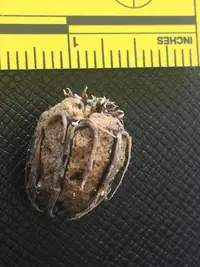
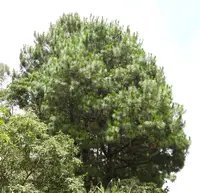
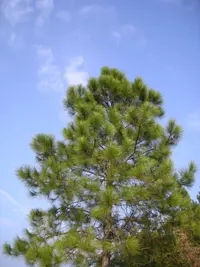
Chinese red pine, Pinus massoniana, is an evergreen conifer widely grown as a timber, landscape, and restoration tree. It forms a tall, straight trunk with a broad, open crown and clusters of long, slender needles that give a light, airy look. Cones are medium sized and woody, adding to its ornamental interest in larger gardens or estates.

This species is native to southern China and nearby regions, where it thrives on hillsides and poor, sandy or rocky soils. It is generally hardy, wind tolerant, and adaptable, though it prefers full sun and well-drained ground, which makes it relatively straightforward to care for Chinese Red Pine in suitable climates.

Main Plant Requirements

Care Difficulty

Moderate Care

Light Preference

Full Sun

Water Requirements

Low Water

Temperature Preference

Warm Climate

Hardiness Zone

8–10

Soil Texture

Sandy, Loamy, Rocky

Soil pH

Strongly acidic (4.5–5.5), Acidic (5.5–6.5)

Soil Drainage

Well-drained

Fertilization

Minimal (feed rarely)

Get Personalized Care Plan

Scan your plant to receive care tips personalized for your specific plant

Available on iOS and Android

How to Care for the Chinese Red Pine

Pinus massoniana prefers full sun for dense, healthy growth in most landscapes.

  • Provide 6–8 hours of direct sun daily; open, unshaded sites are ideal for Chinese Red Pine in the ground.
  • Tree tolerates light partial shade (3–4 hours direct sun) but may develop thinner crowns and longer, weaker shoots.
  • In hot climates, avoid intense reflected heat from walls or pavement; young trees benefit from slight afternoon shade their first 2–3 summers.

Pinus massoniana prefers evenly moist but not saturated soil, especially while establishing.

  • During the first 2–3 years after planting, water when the top 5–8 cm of soil are dry, then soak the root zone deeply.
  • Mature landscape trees often rely on rainfall; water only during extended drought if needles dull, curl slightly, or lower shoots wilt.
  • Ensure sharply draining soil or raised planting areas; persistent puddling, yellowing needles, or resin-scented soggy roots indicate overwatering and poor drainage.

This species is a hardy, warm-temperate pine that tolerates a wide range of outdoor temperatures.

  • Optimal growing temperatures are around 60–80°F (16–27°C) during the main growing season with good air movement.
  • Established trees typically tolerate down to about 5–10°F (-15 to -12°C); young plants need protection from sudden hard freezes.
  • In hot regions, trees handle 95–100°F (35–38°C) if soil moisture is adequate; extended heat with drought stress can cause needle browning and tip dieback.

This species tolerates a broad humidity range and rarely needs special humidity management outdoors.

  • Target 30–60% humidity, which matches most outdoor conditions in temperate regions.
  • Chinese Red Pine copes well with dry air; humidity stress appears mainly as browning needle tips combined with drought or heat, not from air dryness alone.
  • If grown in very arid, hot sites, reduce stress by deep, infrequent watering and a 5–8 cm mulch layer rather than artificial humidifying.

Pinus massoniana prefers freely draining, moderately fertile mineral soils that do not stay waterlogged.

  • Use a sandy or sandy-loam mix with a coarse structure to keep pores open and oxygen available around the roots.
  • Aim for slightly acidic to neutral pH, roughly 5.5–7.0, which supports nutrient uptake and root health.
  • For containers or soil improvement, blend roughly 50–60% sharp sand, 20–30% pine bark fines, and 10–20% composted organic matter.
  • Avoid heavy clay, compacted, or constantly wet sites; improve drainage by raising the planting area or incorporating coarse grit and bark before planting Pinus massoniana.

This pine can be grown in containers when kept as a young tree or bonsai-style specimen.

  • Choose a pot that is wider than it is tall with a low center of gravity to prevent the top-heavy plant from tipping in strong winds.
  • Select a thick-walled, frost-resistant container, which keeps roots cooler and more stable in fluctuating outdoor temperatures.
  • Use a very free-draining mix and elevate the pot slightly on feet or bricks to ensure rapid escape of excess water after heavy rain.

Pinus massoniana benefits from modest feeding but grows acceptably in lean soils once established.

  • Apply a balanced slow-release fertilizer (for example, 10-10-10) at half strength in early spring for container or landscape trees needing support.
  • Use a light topdressing of compost around the root zone instead of repeated high-dose granular products.
  • Feed once in early spring and again in mid-summer during active growth; avoid late-season nitrogen that promotes tender shoots.
  • Do not fertilize Chinese Red Pine in winter; pause feeding from late fall to prevent weak, frost-prone growth.

Pruning Pinus massoniana is usually light and focuses on safety, structure, and airflow.

  • Carry out structural pruning in late winter to early spring before new growth begins.
  • Remove dead, diseased, crossing, or storm-damaged branches with clean bypass pruners or a sharp pruning saw.
  • Shorten or pinch back a portion of new candles to control size and density, maintaining a balanced, open crown.
  • Avoid heavy cuts into old, bare wood, as pines seldom sprout reliably from these areas.

This pine is most often grown in the ground, so guidance centers on transplanting younger trees rather than frequent repotting.

  • Transplant in late fall or early spring when the tree is dormant and temperatures are mild.
  • Look for roots circling the container, water running straight through, or stalled growth as cues to shift a container plant to a larger pot or the ground.
  • Handle the root ball gently, loosening only the outer circling roots, and keep roots shaded and moist during the move.
  • Water deeply after planting, apply a 5–8 cm mulch ring, and reduce stress by avoiding heavy pruning at the same time.

Reproduction of Pinus massoniana for forestry and landscape use is primarily done from seed under controlled conditions.

  • Collect ripe cones in late summer to fall, then dry them so the scales open and release seeds.
  • Stratify seeds in moist, sterile medium at 35–41°F for 6–8 weeks to break dormancy and improve germination.
  • Sow in a well-drained, sandy substrate with good light, keeping the medium slightly moist but never waterlogged.
  • Avoid routine cutting or layering methods, as these pines root poorly from vegetative material outside specialized facilities.

Mature Pinus massoniana is broadly cold hardy in suitable climates and usually needs minimal winter intervention.

  • In colder regions, apply a 5–8 cm mulch layer over the root zone to buffer freeze–thaw cycles.
  • Shield young trees from drying winter winds with windbreak fabric or strategic placement near structures.
  • For container-grown specimens, move pots into a sheltered, unheated but frost-moderated area and prevent the root ball from freezing solid.

Care Tips

Windfirm training

In exposed sites, lightly stake young trees for the first 2–3 years and remove lower temporary branches gradually, so the trunk thickens and develops a stable, wind-resistant structure before the canopy becomes too top‑heavy.

Trunk flare protection

Keep the root collar and trunk base visible and dry by avoiding mulch piled against the bark, which reduces the risk of rot and bark-boring insects at the most critical structural point of the tree.

Soil compaction control

Prevent foot traffic and vehicle parking within the drip line, and if soil is already compacted, use a soil probe or air spade service to loosen the upper 15–20 cm without cutting major roots, improving oxygen availability to feeder roots.

Seasonal needle cleanup

Rake and remove fallen needles once or twice a year in managed landscapes to reduce shelter for pests and to make it easier to monitor for issues, but leave a thin natural layer on poor, sandy sites where it helps conserve soil moisture.

Low‑stress transplanting

When transplanting, root‑prune in a circular trench 6–12 months beforehand to encourage a dense root ball, then move the tree during its dormant season to reduce transplant shock when growing Chinese Red Pine.

Common Pests and Diseases

Masson pine caterpillar

This pest is the larval stage of several Dendrolimus moth species and is a major defoliator of Chinese red pine, often feeding in large groups and stripping needles. Symptoms include browning, chewed needles, and heavy frass deposits beneath the tree.

Solution

Monitor for caterpillars and egg masses on needles and branches, then prune and destroy heavily infested shoots. For larger trees, use targeted Bacillus thuringiensis (Bt) biological sprays timed to young larvae, and encourage natural predators by avoiding broad-spectrum insecticides around the site.

Pine needle blight

This disease, commonly caused by fungi such as Lecanosticta species, leads to brown spots on needles that expand and cause premature needle drop. Symptoms include banded or spotted needles, thinning foliage, and a tufted appearance near branch tips as inner needles are lost first.

Solution

Remove and destroy fallen needles and visibly infected shoots to lower the spore load, and maintain good spacing and airflow around trees. In high-risk areas or plantations, apply a registered copper- or chlorothalonil-based fungicide to new needle growth in spring according to local forestry or extension guidance on Pinus massoniana care instructions.

Pine needle scale

These insects are small, white, immobile scale insects that attach to needles and suck plant sap, causing chlorotic spotting and needle drop. Symptoms include white, elongated scale covers lined along the needles and a general dull, yellowed canopy.

Solution

For light infestations, prune heavily infested branches and wash accessible foliage with a strong water spray to dislodge crawlers. For persistent problems, time horticultural oil or insecticidal soap treatments to the crawler stage, ensuring thorough coverage of needles without applying during high heat or drought stress.

Pine wilt disease

This disease is caused by the pinewood nematode, often spread by sawyer beetles, and leads to rapid wilting and browning of needles followed by tree death. Symptoms include sudden needle discoloration, resin flow reduction, and quick decline of entire branches or the whole crown.

Solution

Remove and destroy affected trees promptly, including major roots and barked wood, to reduce nematode and beetle reservoirs. Avoid moving potentially infested firewood, and in high-value plantings consider consulting a certified arborist or local extension service about preventive vector management in surrounding pines.

Bark beetle infestation

These insects bore into trunks and branches, disrupting sap flow and introducing secondary fungi that weaken or kill trees, especially those already stressed by drought or poor site conditions. Symptoms include pitch tubes on the bark, fine boring dust at the base, fading crowns, and localized branch dieback.

Solution

Improve tree vigor through proper watering during drought and avoiding trunk damage, since healthy trees resist attack better. Quickly remove and chip or burn heavily infested trees or logs, and avoid storing fresh pine wood nearby, to break the beetle life cycle and reduce population build-up around Masson pine stands.

Interesting Facts

Key plantation softwood

This species is one of the most widely planted timber conifers in subtropical China, valued for its straight trunk, relatively rapid early growth, and wood suited for construction, pulp, and plywood.

High resin production

It has been used as an important source of pine resin, which can be distilled to produce turpentine and rosin used in solvents, adhesives, and some industrial chemicals.

Soil and slope tolerance

The tree shows notable tolerance of poor, acidic, and eroded soils and is often established on degraded hillsides for reforestation and erosion control, especially in warm, humid regions of southern China.

Botan icon

Did you know?

In its native range, this pine is a major host species used in research and monitoring of pine shoot beetles (Tomicus species), because its susceptibility and wide planting make it an important model for studying conifer–insect interactions in East Asia.

FAQs about Chinese Red Pine

This species is generally fast-growing for a conifer, often adding 30–60 cm of height per year in good conditions. Growth slows with age, poor soil, drought stress, or heavy competition from other trees and shrubs.

Grow Healthy Plants with Botan Care

Keep your plants happy and healthy with plant identification, disease detection, and easy care guidance.

Botan plant care app — identify plants on mobile

Explore More Plants