Wind‑firm training
In the first 2–3 years, lightly stake young plants and prune back overly long, whippy shoots to build a low, sturdy framework that resists wind damage and reduces branch breakage under fruit load.

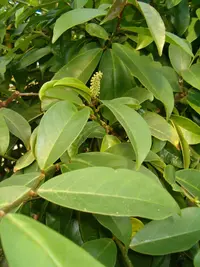
Bignay (Antidesma bunius) is a tropical evergreen tree grown for its small clustered berries and glossy foliage. It typically forms a dense, rounded crown with many branches. Native to Southeast Asia and parts of Australia, it thrives in warm, humid climates and is often used as a backyard fruit tree or small orchard tree. The plant is generally sturdy but needs consistent warmth and protection from frost to perform well. It prefers sun to light shade, evenly moist but well-drained soil, and benefits from wind protection when young. Once established, understanding how to care for bignay is straightforward for most home gardeners.

Care Difficulty
Moderate Care

Light Preference
Full Sun

Water Requirements
Regular Water

Temperature Preference
Tropical / Frost Sensitive

Hardiness Zone
10–12

Soil Texture
Loamy, Sandy, Organic-rich

Soil pH
Acidic (5.5–6.5), Slightly acidic (6.5–7.0)

Soil Drainage
Moist but well-drained

Fertilization
Minimal (feed rarely)
Scan your plant to receive care tips personalized for your specific plant
Available on iOS and Android
Antidesma bunius performs best in warm, bright outdoor conditions with protection from harsh extremes.
Antidesma bunius prefers evenly moist, well-drained soil rather than constant wetness or drought.
This tropical fruit tree thrives in consistently warm, frost-free conditions.
Antidesma bunius benefits from moderately humid air but usually adapts to typical household and outdoor conditions.
Antidesma bunius prefers a deep, loamy, well-aerated soil that drains freely yet holds steady moisture.
This species can be grown in containers if given enough root volume and stable support.
Antidesma bunius benefits from moderate feeding but performs acceptably on reasonably fertile soil.
Antidesma bunius responds well to light, planned pruning that maintains structure and fruiting wood.
This species is usually grown in the ground, so focus on careful transplanting rather than frequent repotting.
Antidesma bunius is commonly propagated from both seeds and semi-hardwood cuttings under warm, humid conditions.
Antidesma bunius is a tropical to subtropical tree that needs protection in climates with frost or freezing temperatures.

Plant Health Check
Not sure what's wrong with your plant? Check your plant's health inside the app.
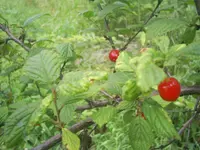
The fruit ripens unevenly on the same cluster, with green, sour red, and sweet black berries present at once, which allows staged harvesting for different culinary uses such as vinegar-like condiments from red fruits and fresh eating or wine from fully black fruits.
Besides being a fruit tree, this species produces a moderately hard, fine-grained wood that is locally used for small construction, tool handles, and fuel in parts of Southeast Asia.
In its native range, the dense branching and clustered berries provide both shelter and food for many bird species, so it is often planted as a living fence or boundary hedge around farms and homesteads.

In parts of the Philippines, bignay fruits have been traditionally processed into a deep red, low-alcohol country wine and vinegar-like products, giving the tree notable cultural and culinary importance beyond its role as a fresh fruit source.
Yes, this species grows well in large, deep containers if root space and drainage are adequate. Use a sturdy pot, rich well‑drained mix, and up‑pot gradually as roots fill the container to avoid stress.
Keep your plants happy and healthy with plant identification, disease detection, and easy care guidance.