candelabra wattle Care (Acacia holosericea)

candelabra wattle

About candelabra wattle

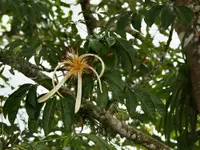
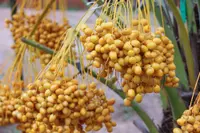
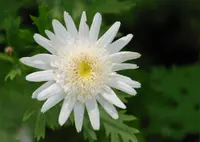
Candelabra wattle (Acacia holosericea) is a fast-growing shrub or small tree from northern Australia, often used in warm, dry landscapes and restoration projects. It has silvery, velvety leaf-like phyllodes and showy yellow flower spikes, followed by large, twisted seed pods that give the plant its candelabra look. This species is adapted to poor, sandy or rocky soils and seasonal drought, which generally makes it low-maintenance once established. Those looking to care for candelabra wattle should note that it prefers full sun, good drainage, and low to moderate watering, and it does not tolerate hard frost for long periods.

Main Plant Requirements

Care Difficulty

Easy Care

Light Preference

Full Sun

Water Requirements

Low Water

Temperature Preference

Warm Climate

Hardiness Zone

10–12

Soil Texture

Sandy, Loamy, Rocky

Soil pH

Acidic (5.5–6.5), Slightly acidic (6.5–7.0)

Soil Drainage

Well-drained

Fertilization

Minimal (feed rarely)

Get Personalized Care Plan

Scan your plant to receive care tips personalized for your specific plant

Available on iOS and Android

How to Care for the candelabra wattle

This fast-growing Australian shrub thrives in strong light and open positions.

  • Provide full sun for 6–8 hours daily; candelabra wattle flowers and forms denser foliage in unobstructed, all-day sun.
  • It tolerates light or high open shade, but in less than 4–5 hours of direct sun plants become sparse, lean, and may bloom poorly.
  • In hot inland summers, prioritize morning sun with some protection from harsh late-afternoon sun to reduce leaf scorch and moisture stress.

This drought-tolerant shrub prefers drying out between thorough waterings once established.

  • In the ground, water deeply only when the top 5–8 cm of soil is dry, focusing on long soakings rather than frequent light splashes.
  • During the first 1–2 growing seasons, Acacia holosericea benefits from more frequent deep watering while roots establish, especially in hot, dry weather.
  • Watch for yellowing, soft foliage and persistently wet soil as signs of overwatering; curled, dull leaves and very dry, dusty soil indicate underwatering.

This species prefers warm climates and does poorly in prolonged cold.

  • Optimal growth occurs around 70–90°F (21–32°C), with best performance in consistently warm, frost-free conditions.
  • It tolerates brief dips to about 28–30°F (-2 to -1°C) but repeated frosts can damage young growth and kill small plants.
  • In hot regions, it handles 100°F+ (38°C+) if soil is not waterlogged and there is some airflow; avoid cold, exposed winter sites and frost pockets.

This species tolerates a wide humidity range and rarely needs special humidity management indoors or outdoors.

  • Aim for 30–60% humidity; avoid persistently closed, steamy rooms that stay above 80%.
  • Candelabra wattle handles dry air well; leaves stay healthy even around 30–35% if watering is correct.
  • Humidity stress shows as leaf tip browning and curling combined with very dry soil rather than air alone; use a pebble tray or group plants only if indoor air is extremely dry.

Acacia holosericea prefers very free-draining, sandy soil that mimics its native, nutrient-poor sites.

  • Use a sandy or sandy-loam mix with coarse texture so water passes through quickly and roots stay aerated.
  • Mix roughly 50–70% coarse sand or fine gravel with 30–50% loam or all-purpose potting mix, plus a small amount of compost only.
  • Keep pH slightly acidic to neutral, around 6.0–7.5, avoiding strongly acidic or alkaline conditions that limit nutrient uptake.
  • Avoid heavy clay, compacted sites, or mixes rich in peat that hold water and create conditions for root rot.

This species can be grown in containers, especially when young, if the pot is set up for fast drainage and stability.

  • Choose a deep, heavy container that resists tipping as the plant develops tall, woody growth and a broad canopy.
  • Fill the pot with a very fast-draining, sandy substrate so water never stands around the root zone after irrigation.
  • Raise the container on feet or bricks so drainage holes stay clear and excess water leaves quickly during heavy rain.

This fast-growing Australian native needs only light feeding in most garden soils.

  • Apply a balanced slow-release fertilizer (around 10-10-10) in early spring at half the label rate for candelabra wattle growing in poor or sandy soil.
  • Use a thin layer of well-rotted compost around the root zone instead of heavy synthetic feeding where soil is moderately fertile.
  • Avoid fertilizing in late fall or winter to prevent soft, frost-sensitive growth on young plants.
  • Water after feeding to help nutrients move into the root zone and reduce the risk of fertilizer burn.

Pruning Acacia holosericea focuses on maintaining structure and removing weak growth rather than heavy shaping.

  • Carry out light pruning in late winter or just after flowering, depending on local climate.
  • Remove dead, diseased, crossing, or wind-damaged branches first to keep the canopy open and healthy.
  • Shorten overly long shoots to maintain a balanced form and encourage denser side branching.
  • Use clean, sharp bypass pruners or loppers, making cuts just above a bud or branch junction to promote proper healing.

This species is usually grown in the ground, with container culture mainly for young plants or nursery stock.

  • Transplant from containers when roots circle the pot base, growth slows, or plants become top-heavy.
  • Choose late winter to early spring for planting out, once the risk of hard frost has passed.
  • Move seedlings or young trees into a slightly larger pot or ground hole, keeping the root ball as intact as possible.
  • Water deeply after transplanting, shade for a few days if conditions are hot, and maintain even moisture until new growth resumes.

Acacia holosericea is most often raised from seed, which responds well to pre-treatment.

  • Sow fresh seed in late winter to early spring in a free-draining, low-organic seed mix.
  • Scarify hard seed coats by nicking with a blade or pouring near-boiling water over the seed, then soaking for 12–24 hours.
  • Keep trays warm (around 70–80°F) and lightly moist, not wet, to prevent rotting.
  • Transplant seedlings carefully once they have several true leaves, disturbing roots as little as possible.

This warm-climate species is tender to frost and benefits from protection in cooler regions.

  • In mild climates, a 5–8 cm layer of mulch around the root zone helps buffer soil temperature.
  • In areas with light frost, use breathable frost cloth over young plants during the coldest nights.
  • Grow container plants in large pots and shift them to a bright, frost-free spot indoors or under cover before temperatures drop near 32°F.

Care Tips

Wind-hardening young plants

Expose young plants to increasing wind over 2–3 weeks and stake only loosely so trunks flex slightly, which encourages stronger wood and better storm resistance in exposed sites.

Encourage low branching

Pinch or lightly head back the central leader when plants are 40–60 cm tall to promote multiple low branches, creating a denser screen and reducing the risk of wind snap at a single point.

Mulch for root cooling

Apply a 5–8 cm layer of coarse mulch in a wide ring, keeping it 5–10 cm away from the trunk, to keep surface roots cooler and more active in hot, dry climates.

Phosphorus-sensitive fertilizing

If fertilizer is needed, use a low-phosphorus native plant formula and apply sparingly at the dripline only, as high phosphorus levels can damage the fine nitrogen-fixing roots.

Regenerative coppice cycle

On older, leggy shrubs, cut back 1⁄3 of the oldest stems close to the base every 1–2 years to stimulate fresh, vigorous shoots and maintain a compact, floriferous framework when growing candelabra wattle.

Common Pests and Diseases

Acacia psyllids

These insects feed on young leaves and shoots, causing cupping, distortion, and sticky honeydew that can attract sooty mold. This pest is more common on soft new growth and in warm, sheltered sites.

Solution

Prune and destroy heavily infested shoots, then hose down foliage to remove nymphs and honeydew. For ongoing issues, apply a horticultural oil or insecticidal soap to the undersides of leaves in the evening, repeating every 7–10 days while new psyllids are present.

Borers

These insects tunnel into stems and branches, leading to dieback, cracked bark, and sawdust-like frass at entry holes. Symptoms include sudden wilting of individual branches on otherwise healthy plants.

Solution

Cut out and destroy affected stems well below visible damage to remove larvae and reduce spread. Keep the tree vigorous with proper watering and no excess nitrogen, and promptly remove and dispose of any severely weakened or dead branches that can harbor new borers.

Leaf spot

This disease causes irregular tan to dark brown spots on foliage, sometimes with yellow halos, leading to premature leaf drop in humid or overcrowded plantings. Symptoms include more severe spotting on older, shaded leaves and on plants under stress.

Solution

Remove and discard fallen leaves and heavily spotted foliage to reduce inoculum, and increase spacing or pruning to improve airflow. Avoid overhead watering where possible, and in persistent or severe cases use a registered copper-based fungicide according to label directions during warm, wet periods as part of broader Acacia holosericea care.

Scale insects

These insects appear as small bumps on stems and leaf stalks, sucking sap and producing honeydew that encourages sooty mold. This pest often builds up on stressed or older branches, causing leaf yellowing and reduced vigor.

Solution

Wipe or gently scrape off visible scale from accessible stems and prune out heavily infested twigs. Follow with a thorough application of horticultural oil, ensuring good coverage of stems and the undersides of leaves, and repeat as needed to target newly hatched crawlers.

Gall rust

This disease forms swollen, woody galls on stems and branches, which can distort growth and weaken affected parts over time. Symptoms include knobbly, rough outgrowths that may crack and act as entry points for secondary pests and pathogens.

Solution

Prune out galled branches during dry weather, cutting 10–15 cm below visible swelling, and discard the material away from other acacias. Disinfect pruning tools between cuts with alcohol or a bleach solution, and maintain good plant vigor so new growth can replace removed wood.

Interesting Facts

Silky leaf mimics

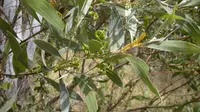
This species has no true leaves as an adult; instead it develops long, silvery-grey phyllodes, which are flattened leaf-like petioles adapted to reduce water loss in its hot, dry native range.

Fire-adapted seeds

Its hard-coated seeds are stimulated to germinate by heat or smoke from bushfires, a typical fire-adapted strategy in Australian legumes that helps seedlings establish in freshly cleared, nutrient-enriched soil.

Nitrogen-fixing pioneer

As a member of the legume family, it hosts symbiotic root bacteria that fix atmospheric nitrogen, allowing it to colonize poor, degraded soils and improve fertility for later-successional plants, which is important for growing candelabra wattle in restoration projects.

Botan icon

Did you know?

This species often forms dense, short-lived stands that act as a pioneer or nurse crop in northern Australian savanna landscapes, creating shade, organic litter, and improved soil structure that facilitate the establishment of longer-lived woodland and forest species.

FAQs about candelabra wattle

This species is generally fast growing, often adding 60–150 cm per year in warm climates with good light and drainage. Growth slows in cool regions, compacted soils, or if root space is restricted or nutrient levels are very low.

Grow Healthy Plants with Botan Care

Keep your plants happy and healthy with plant identification, disease detection, and easy care guidance.

Botan plant care app — identify plants on mobile

Explore More Plants