Rootstock selection
When planting new trees, choose grafted nursery stock on a hardy hawthorn rootstock adapted to your local climate, as this improves anchorage, drought tolerance, and overall long-term health.

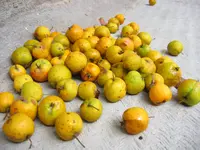
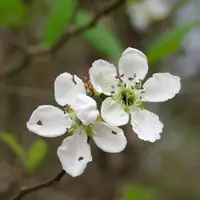
Manzanita tejocotera, Crataegus mexicana, is a small deciduous tree or large shrub grown for its white spring flowers and small, apple-like fruits. It forms a rounded crown with dense branching and simple, serrated leaves that give it a soft, orchard-like look.
This species is native to the highlands of Mexico and parts of Central America, where it grows in temperate, often semi-dry woodlands and fields. It is generally hardy and adaptable, but needs full sun, moderate moisture, and well-drained soil to perform well.
Once established, it tolerates some drought and is relatively low-maintenance, which simplifies how to care for manzanita tejocotera in suitable climates.

Care Difficulty
Moderate Care

Light Preference
Full Sun

Water Requirements
Moderate Water

Temperature Preference
Warm Climate

Hardiness Zone
8–10

Soil Texture
Sandy, Loamy, Clay

Soil pH
Slightly acidic (6.5–7.0), Neutral (7.0)

Soil Drainage
Well-drained

Fertilization
Minimal (feed rarely)
Scan your plant to receive care tips personalized for your specific plant
Available on iOS and Android
This small fruiting tree thrives in full sun but accepts light shade in hotter regions.
This hawthorn prefers moderately moist, well-drained soil and becomes more drought-tolerant as it matures.
This species is adapted to temperate to warm climates with distinct cool winters.
This species handles a wide humidity range and rarely needs special humidity management outdoors.
Crataegus mexicana prefers moderately fertile, well-structured mineral soil with reliable drainage.
This tree can be grown in containers for several years, but it needs careful pot choice to support its eventual size.
This fruiting tree benefits from modest feeding, especially in poorer soils, when caring for manzanita tejocotera.
Crataegus mexicana responds well to light structural pruning to keep the canopy healthy and productive.
This hawthorn is usually grown in the ground, so focus on thoughtful transplanting rather than frequent repotting.
Reproduction of Crataegus mexicana is usually done from seed, but it is slow and needs patience and careful handling.
This hawthorn is moderately cold hardy and usually needs only basic winter care in temperate climates.

Plant Health Check
Not sure what's wrong with your plant? Check your plant's health inside the app.
This species naturally grows in montane areas of central Mexico at relatively high elevations, tolerating cooler nights and greater light intensity than many other fruiting shrubs from warmer lowlands.
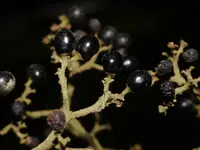
The fruits, commonly called tejocotes, are true pomes like apples and pears, with a firm texture, thin skin, and several hard seeds, and are widely used in traditional Mexican seasonal dishes rather than eaten as typical fresh dessert fruit.
The fruit is an essential ingredient in traditional Mexican ponche, especially around Día de Muertos and Christmas, giving the drink its characteristic aroma and providing pectin that naturally thickens preserves and sweets.

Crataegus mexicana has been introduced and experimentally cultivated in other countries for rootstock and ornamental use, but it remains most culturally and economically significant in its native Mexican range, where local cultivars have been selected over generations for fruit size, flavor, and processing qualities.
The small crabapple-like fruits are edible when fully ripe and are commonly used cooked in preserves, drinks, and traditional dishes. Raw fruits are very tart and mealy. Seeds, like many hawthorns, may contain cyanogenic compounds and should not be chewed.
Keep your plants happy and healthy with plant identification, disease detection, and easy care guidance.