Plums-and-Custard Care (Tricholomopsis rutilans)

Also known as: Plums and Custard
Plums-and-Custard

About Plums-and-Custard

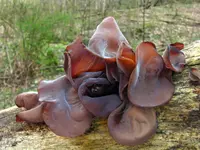
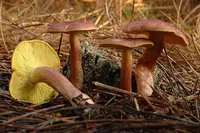
Plums-and-Custard, Tricholomopsis rutilans, is a wood-rotting mushroom rather than a true plant, typically found on decaying conifer stumps and logs. It forms dense clusters of fleshy caps with rich plum-red tones and yellow gills, giving it a striking bicolored look.

This species is native to temperate forests across Europe and North America, appearing mainly in late summer and autumn. It is considered inedible due to its tough texture and poor taste, so it is valued more for identification than for food.

Because it depends on rotting wood and specific forest conditions, it is not simple to cultivate at home, and guides on how to care for Plums-and-Custard are limited.

Main Plant Requirements

Care Difficulty

Moderate Care

Light Preference

Partial Shade

Water Requirements

Keep Soil Moist

Temperature Preference

Cool Climate

Hardiness Zone

Unknown

Soil Texture

Loamy, Peaty, Organic-rich

Soil pH

Strongly acidic (4.5–5.5), Acidic (5.5–6.5)

Soil Drainage

Moist but well-drained

Fertilization

Minimal (feed rarely)

Get Personalized Care Plan

Scan your plant to receive care tips personalized for your specific plant

Available on iOS and Android

How to Care for the Plums-and-Custard

This woodland fungus relies on shaded, forest-like light conditions to fruit well.

  • Provide bright shade or dappled light under conifers or broadleaf trees, with no more than 1–3 hours of weak morning sun reaching the fruiting area.
  • Avoid direct midday or afternoon sun, which can dry the substrate and scorch Plums-and-Custard caps, reducing both size and longevity of fruiting bodies.
  • In summer, increase shade with leaf litter or low groundcover; in late autumn, reduced canopy cover is usually acceptable if direct sun remains limited.

Moist, consistently damp wood and forest litter are essential for reliable fruiting of this species.

  • Keep the host wood or woodchip bed evenly moist, allowing only the top 1–2 cm of litter to start drying before thorough watering or natural rainfall replenishes it.
  • Use loose, well-drained wood-based substrate so excess water can drain away, helping prevent sour, anaerobic conditions that reduce Tricholomopsis rutilans activity.
  • In warm, windy weather, monitor more often for drying edges or shrinking mycelial mats; in cool, wet seasons, reduce added water to avoid standing puddles.

This fungus prefers cool to mild conditions and fruits best in stable, temperate weather.

  • Target an active growth range of about 50–68°F (10–20°C), which supports strong mycelial activity and development of healthy fruiting bodies.
  • Avoid extended exposure below 28–30°F (-2– -1°C), as repeated hard frosts can damage surface mycelium and abort young mushrooms.
  • In hot spells above 77–82°F (25–28°C), shade the bed and maintain surface moisture, since excessive heat and drying sharply reduce fruiting success.

This wood-decay fungus does best in consistently moist, high-humidity conditions similar to a shaded forest floor.

  • Aim for 70–90% humidity, as fruiting bodies dry and crack easily in lower ambient humidity.
  • In dry air, caps may become brittle, edges curl, and growth stalls before full expansion.
  • Increase humidity by misting the surrounding substrate, covering trays with ventilated plastic, or using a humidifier near cultivated Plums-and-Custard.

Tricholomopsis rutilans fruits on decaying conifer wood and needs a loose, organic-rich, wood-based substrate rather than typical garden soil.

  • Use a mix of well-rotted conifer sawdust, chipped softwood, and leaf mold to mimic decomposing logs.
  • Keep the substrate airy and free-draining by avoiding heavy clay and adding coarse wood chips to prevent waterlogging.
  • Maintain slightly acidic conditions around pH 5.0–6.5, as strongly alkaline substrates reduce mycelium vigor.
  • Pasteurize or heat-treat the wood-based mix when possible to reduce competing fungi and improve establishment.

This species can be grown in containers that simulate a moist, shaded, decaying wood environment.

  • Choose a deep, sturdy tub or crate that can hold substantial conifer wood pieces without tipping when the substrate is saturated.
  • Drill multiple side and base holes so excess water drains while the interior still retains a humid microclimate.
  • Elevate the container on blocks or a rack so runoff clears quickly and air can move under the base to limit stagnant, anaerobic zones.

This woodland fungus gains nutrients from decaying wood and typically does not benefit from additional fertilization in gardens or cultivation setups.

Pruning is not applicable to Tricholomopsis rutilans because it is a mushroom-forming fungus rather than a woody or leafy plant.

For cultivation, this species is managed by renewing its woody substrate rather than by classic repotting or transplanting.

  • Monitor for exhausted substrate when fruiting declines and mycelium-colonized wood appears dry or heavily decomposed.
  • Plan to refresh or replace logs or wood chips every 1–3 years, depending on decomposition rate and fruiting performance.
  • When moving colonized wood, shift it gently to a new shaded, humid site to limit mycelium breakage and moisture loss.
  • Water the new site thoroughly after placement, then keep evenly moist to reduce stress on the fungal network.

Propagation of Tricholomopsis rutilans is best approached like other cultivated fungi, by using spores or mycelium on suitable woody substrates.

  • Use spore prints or purchased spawn to inoculate fresh, non-resinous hardwood logs or chips in spring or early summer.
  • Maintain a consistently moist, shaded environment during colonization, avoiding direct sun and strong wind that dry the substrate.
  • Drill holes or open pockets in wood, insert spawn, then seal with wax or damp woodchips to retain humidity and exclude contaminants.

Outdoor colonies on logs or woodchips in temperate climates are generally cold hardy and need little specific winter care.

  • In very cold areas, a 5–8 cm layer of loose leaves or straw around colonized wood moderates freeze–thaw swings.
  • Keep substrate slightly moist before hard freezes, but avoid waterlogged conditions that may encourage rot.

Care Tips

Use fresh substrate

Prepare a clean, woody substrate such as well-rotted conifer sawdust or chips and avoid reusing old mushroom blocks, which often harbor competing fungi and bacteria that suppress Tricholomopsis rutilans.

Mimic forest layering

Place the colonized substrate under a loose layer of conifer needles or fine bark to retain moisture and recreate the shaded forest floor microclimate this fungus favors.

Encourage air exchange

Provide gentle but regular air movement around fruiting containers or beds to reduce carbon dioxide buildup, which helps form sturdier caps and reduces the risk of deformed or overly elongated stems.

Staggered inoculation batches

Start several small batches of inoculated substrate a few weeks apart so that if one batch contaminates, others can still produce, giving more consistent results when growing Plums-and-Custard.

Monitor for competitors

Check the substrate weekly for unfamiliar molds or fast-spreading fungi and promptly remove or isolate contaminated sections to keep the desired mycelium from being overrun.

Common Pests and Diseases

Fungal gnat larvae

This pest often develops in very moist, organically rich substrate used to cultivate the fungus, where larvae feed on mycelium and young fruiting bodies. Symptoms include slowed colonization, aborted pins, and small tunnels or collapse at the base of mushrooms.

Solution

Reduce substrate moisture, improve drainage, and keep the growing area clean and screened to limit adult gnats. Use yellow sticky traps to catch flying adults and, if needed, apply a biological control such as Bacillus thuringiensis israelensis (BTI) to the substrate according to label directions to target larvae while protecting the crop when growing Plums-and-Custard.

Mite infestations

This pest includes several small mite species that can colonize mushroom beds or logs, feeding on spores, mycelium, and sometimes fruiting bodies. Symptoms include pale, pitted, or deformed caps and visible tiny moving dots on or near mushrooms and substrate.

Solution

Lower excess humidity, promptly remove infested fruiting bodies, and discard heavily contaminated substrate. Clean benches, tools, and containers, and if infestation persists, introduce predatory mites compatible with mushrooms or use approved miticidal soaps around but not directly on fruit bodies.

Bacterial blotch

This disease is caused by bacteria that thrive on wet mushroom surfaces, leading to yellow to brown greasy spots and soft, water-soaked tissue. Symptoms include discolored lesions that may spread during prolonged surface wetness or poor air movement.

Solution

Avoid overhead misting of the caps, keep humidity in the recommended range, and increase airflow so caps dry quickly after watering. Remove affected mushrooms promptly and disinfect tools and surfaces with a food-safe disinfectant to reduce bacterial load.

Green mold contamination

This disease, often caused by Trichoderma species, appears as fast-spreading white then bright green patches on substrate that can overtake the mycelium and reduce or stop mushroom formation. Symptoms include patchy colonization, a strong earthy or musty odor, and poor or no fruiting on affected areas.

Solution

Remove and discard heavily contaminated substrate and fruiting blocks to prevent spore spread. Improve hygiene by sterilizing or thoroughly pasteurizing substrates, cleaning containers and tools, and maintaining good fresh-air exchange so the crop mycelium remains vigorous and competitive.

Interesting Facts

Distinct plum coloration

The cap and gills show a striking combination of reddish-purple scales on a yellow background, which inspired the common name plums-and-custard and makes it relatively easy to distinguish from many other woodland mushrooms.

Preference for conifer wood

This species is saprotrophic, meaning it feeds on dead organic matter, and is most often found fruiting on well-rotted stumps and logs of conifers such as pine and spruce in temperate forests.

Questionable edible status

Although sometimes reported as edible, its tough texture and reported poor taste mean it is generally regarded as not worthwhile for consumption, and many modern field guides advise leaving it for observation rather than for the table.

Botan icon

Did you know?

Molecular studies have shown that this species, once grouped broadly within the large genus Tricholoma, is distinct enough in its microscopic features and DNA characteristics to be placed in its own genus, reflecting how modern mycology relies on genetic evidence to refine long-standing classifications.

FAQs about Plums-and-Custard

This mushroom is considered inedible or at best poor. The flesh is tough, with a strong, resinous taste and unpleasant smell. It should not be collected for food, especially when safer edible look-alikes may grow nearby.

Grow Healthy Plants with Botan Care

Keep your plants happy and healthy with plant identification, disease detection, and easy care guidance.

Botan plant care app — identify plants on mobile

Explore More Plants