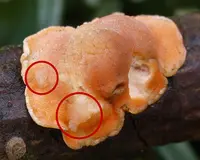
Hygroscopic Earthstar Care (Astraeus hygrometricus)

Also known as: Barometer Earthstar, False Earthstar
Hygroscopic Earthstar

About Hygroscopic Earthstar

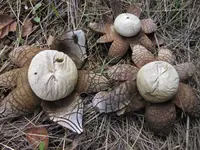
Hygroscopic earthstar, Astraeus hygrometricus, is a terrestrial fungus rather than a traditional leafy plant. It forms a round, spore-filled center surrounded by thick outer layers that split and curve back into star-like rays when dry. In wet conditions these rays fold up again, a hygroscopic response that helps protect the spore sac.

This species typically occurs in sandy or well-drained soils, often in forests or open woodland, and is found in many temperate and tropical regions worldwide. It is not a beginner-friendly species to cultivate, as it forms specialized partnerships with tree roots and resents disturbance. Those who want to learn how to care for Hygroscopic Earthstar should know it generally prefers undisturbed, slightly acidic, low-nutrient soil and natural moisture cycles outdoors.


Main Plant Requirements

Care Difficulty

Moderate Care

Light Preference

Partial Shade

Water Requirements

Moderate Water

Temperature Preference

Warm Climate

Hardiness Zone

Unknown

Soil Texture

Sandy, Loamy, Rocky

Soil pH

Acidic (5.5–6.5)

Soil Drainage

Well-drained

Fertilization

Minimal (feed rarely)

Get Personalized Care Plan

Scan your plant to receive care tips personalized for your specific plant

Available on iOS and Android

How to Care for the Hygroscopic Earthstar

This fungus prefers bright, open woodland or scrub light rather than deep shade or dense forest cover.

  • Aim for sites with 4–6 hours of direct morning or late-afternoon sun, plus bright indirect light during the rest of the day, to support fruiting body formation.
  • Tolerates light, shifting partial shade from grasses or sparse shrubs, but dense shade for most of the day reduces appearance and size of Hygroscopic Earthstar.
  • Avoid fully exposed, reflective midday sun in very hot, dry climates, which can overheat the soil surface; slight seasonal shade from deciduous plants in summer is beneficial.

This earthstar fungus is adapted to dry, sandy or gravelly soils and is sensitive to excess moisture.

  • Allow the soil to dry completely between natural rain events or any supplemental watering; the substrate should feel dry and loose several cm deep before adding water.
  • Provide very fast-draining soil with high mineral content; avoid compacted clay or any spot where water pools for more than a few hours after rain.
  • Signs of overwatering include persistent soggy soil, moldy organic debris, and rotting underground tissues, while long hot droughts may simply delay or reduce visible fruiting of Astraeus hygrometricus.

This species is adapted to warm, seasonal climates with distinct dry periods.

  • Optimal development of fruiting bodies usually occurs around 65–80°F (18–27°C), especially following rain after a dry spell.
  • The underground fungus can survive brief drops near 20–25°F (-6 to -4°C), but repeated hard freezes with saturated soil increase rot risk.
  • Tolerates summer heat up to about 90–95°F (32–35°C) if soil is gritty and not waterlogged; cooler, well-drained fall periods often trigger more consistent fruiting.

Humidity is not a major factor for Astraeus hygrometricus, which naturally handles dry, exposed sites.

  • Performs reliably in 30–50% relative humidity, similar to typical indoor air in many homes.
  • Shows minimal humidity stress; issues are far more likely from poor drainage or overwatering than from dry air.
  • No special humidity-raising measures are necessary when caring for Hygroscopic Earthstar in typical household or outdoor conditions.

Astraeus hygrometricus prefers very free-draining, mineral soils that dry quickly after rain or watering.

  • Use a sandy or gritty mix with low to moderate organic matter, such as 60–70% coarse sand or fine gravel blended with 30–40% composted material.
  • Ensure rapid drainage; water should pass through the mix in seconds, not sit on the surface or pool in the container or bed.
  • Aim for slightly acidic to neutral pH around 6.0–7.0, avoiding highly alkaline substrates that can limit nutrient availability.
  • Improve aeration by adding coarse sand, pumice, or small gravel and avoid dense, clay-heavy or peat-heavy mixes that stay wet for long periods.

This species is generally unsuitable for long-term container growing because it depends on complex soil-fungus relationships in the ground.

This earthstar fungus naturally thrives in poor, undisturbed soils and generally does not need supplemental fertilizer in gardens or containers when caring for Hygroscopic Earthstar.

Astraeus hygrometricus does not require active pruning, as its visible fruiting bodies are short-lived fungal structures that decompose naturally.

Transplanting this earthstar is rarely successful, since it is a mycorrhizal fungus closely tied to its native soil and tree partners.

  • Avoid attempting to lift and transplant fruiting bodies; these are only the reproductive structures, not the main organism.
  • If grown in a study setting, disturb the soil as little as possible to maintain fungal mycelium health.
  • Choose the long-term site carefully at the start, providing well-drained, low-nutrient soil near compatible host trees.
  • Minimize root zone disruption of nearby trees, since their fine roots support the underground fungal network.

Propagation of this mycorrhizal fungus is specialized and not practical for typical home growers.

This species is naturally cold hardy in its native range and usually requires no special winter care in the landscape.

Care Tips

Rotate Containers Outdoors

If growing Hygroscopic Earthstar in a shallow tray or pot outdoors, rotate the container every few weeks so fruiting bodies dry and rehydrate evenly, which helps you observe the hygroscopic opening behavior and spot any desiccated or moldy specimens early.

Use Inert Topdressing

Spread a very thin layer of coarse sand or fine gravel around the fungi site to reduce soil splash onto the rays during rain or watering, which keeps the earthstars cleaner and lowers the risk of surface molds on the exoperidium (outer layer).

Limit Organic Debris

Gently remove fallen leaves, petals, or dense mulch layers around colonies once or twice a season so the fungi are not smothered, but leave a light, patchy cover that still allows air circulation and brief wet–dry cycles.

Mark Mycorrhizal Trees

Mark the specific host trees or shrubs near which earthstars reliably appear, and avoid disturbing their root zones with digging or heavy traffic so the underground mycorrhizal network remains stable from year to year.

Controlled Observation Harvest

If collecting a few specimens for study, always leave most fruiting bodies undisturbed and cut or gently twist only the targeted ones at the base, then note the exact microhabitat conditions (slope, shade pattern, soil texture) to guide future Astraeus hygrometricus care instructions in similar spots.

Common Pests and Diseases

Fungal contamination

This disease affects dried or cultivated fruiting bodies when stored or displayed in damp, stagnant air. Symptoms include softening, surface mold, and a musty odor on the star-like structures.

Solution

Keep specimens in a dry, well‑ventilated place at 30–50% humidity and avoid sealed, humid containers. Discard heavily moldy pieces, clean display containers with 70% isopropyl alcohol, and use fresh, fully dried material with small packets of silica gel or other desiccant to prevent recurring growth when caring for Hygroscopic Earthstar indoors as a decorative specimen.

Storage mites

These insects may infest dried fruiting bodies kept for display or education, feeding on spores and organic debris. This pest leaves fine dust, tiny moving specks, and sometimes causes gradual disintegration of the tissue.

Solution

Isolate affected material, then freeze it in a sealed bag for 48–72 hours to kill mites and eggs, and dispose of heavily damaged pieces. Clean shelves and containers thoroughly, keep storage areas cool and dry, and use sealed, airtight boxes for long‑term storage to prevent reinfestation.

Fungus gnats

These insects can appear when Astraeus is kept in a terrarium or experimental cultivation setup with persistently wet substrate rich in organic matter. This pest is most noticeable as small black flies hovering around the container, with larvae feeding in the damp medium.

Solution

Allow the substrate surface to dry slightly between waterings, improve airflow, and reduce excess organic debris. Use yellow sticky traps to catch adults, and, if needed, water sparingly with a biological control containing Bacillus thuringiensis israelensis (BTI) to reduce larval numbers without harming the fungus.

Interesting Facts

Hygroscopic opening mechanism

The rays of this earthstar curl inward when dry and spread outward when moist, a hygroscopic movement driven by changes in the cell walls that helps regulate spore release with humidity changes.

Deceptive truffle mimicry

This species often grows partly buried and can resemble a truffle when closed, which may encourage mammals to dig it up and accidentally help disperse its spores.

Mycorrhizal forest partner

It forms ectomycorrhizal associations with tree roots, especially pines and oaks, exchanging mineral nutrients such as phosphorus for sugars produced by the host tree.

Botan icon

Did you know?

Molecular research has shown that this so‑called earthstar is not a true Geastrum earthstar at all but belongs to a separate lineage, which led to major taxonomic revisions and clarified that its star-like form evolved independently (a case of convergent evolution).

FAQs about Hygroscopic Earthstar

This fungus can be cultivated in shallow, very free-draining containers using sandy, low-organic substrate. It prefers outdoor, exposed conditions, irregular moisture, and no fertilizer. Container setups mainly serve educational or display purposes rather than long-term, decorative use.

Grow Healthy Plants with Botan Care

Keep your plants happy and healthy with plant identification, disease detection, and easy care guidance.

Botan plant care app — identify plants on mobile

Explore More Plants