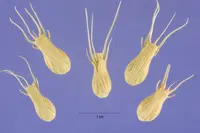
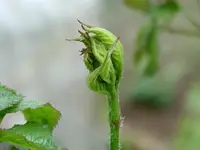
coastal barnyard grass Care (Echinochloa walteri)

Also known as: coast cockspur grass, Walter's barnyard grass
coastal barnyard grass

About coastal barnyard grass

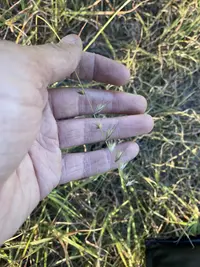
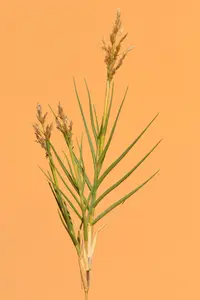
Coastal barnyard grass, Echinochloa walteri, is an annual warm-season grass commonly found in brackish marshes, tidal flats, and wet ditches along coastal regions. It forms dense clumps with upright stems and narrow leaves, often reaching a medium height with loose, bristly flower heads. This species thrives in wet to saturated soils and tolerates periodic flooding and mild salinity, which makes it a useful plant in shoreline or wildlife habitat projects. It is generally easy to grow in suitable moist conditions, but it can spread quickly and behave aggressively in ideal habitats. Gardeners who want to know how to care for coastal barnyard grass mainly need to focus on providing consistent moisture and avoiding dry, compacted sites.

Main Plant Requirements

Care Difficulty

Moderate Care

Light Preference

Full Sun

Water Requirements

Aquatic

Temperature Preference

Warm Climate

Hardiness Zone

5–11

Soil Texture

Sandy, Loamy, Organic-rich

Soil pH

Acidic (5.5–6.5), Slightly acidic (6.5–7.0)

Soil Drainage

Waterlogged tolerant

Fertilization

Minimal (feed rarely)

Get Personalized Care Plan

Scan your plant to receive care tips personalized for your specific plant

Available on iOS and Android

How to Care for the coastal barnyard grass

This wetland annual prefers strong light to support dense, upright growth.

  • Provide 6–8 hours of direct sun daily; full sun promotes sturdy stems and seed production for coastal barnyard grass.
  • Tolerates light partial shade, especially with morning sun and light afternoon shade, but plants in shade over 4–5 hours may grow taller, weaker, and produce fewer seeds.
  • In hot southern summers, monitor for leaf scorch in exposed afternoon sun and use nearby taller plants or grasses as light windbreaks or filters if leaves pale or crisp at the tips.

This species is adapted to saturated conditions and does best with consistently wet soil.

  • In natural or pond-edge settings, allow soil to stay saturated or very muddy; brief shallow flooding is tolerated and often beneficial for Echinochloa walteri.
  • If grown in moist garden soil, water whenever the top 1–2 cm begins to lose its sheen, before it turns crumbly, aiming for evenly wet but not stagnant conditions.
  • Watch for yellowing, limp foliage and foul-smelling soil as signs of oxygen-poor, overly stagnant water, and for dry, curling leaf tips or slow growth as signs the plant has been allowed to dry too much.

This warm-season grass thrives in mild to hot conditions and struggles in cold weather.

  • Optimal growth occurs around 75–90°F (24–32°C), typical of late spring through summer in many temperate regions.
  • Plants tolerate short heat spikes up to about 95°F (35°C) if soil remains saturated, but growth slows noticeably below 60°F (16°C).
  • Echinochloa walteri is not frost-hardy; light frost near 32°F (0°C) can damage foliage, and hard freezes kill plants, so expect it to behave as a warm-season annual in most climates.

This wetland grass prefers high humidity similar to marshy habitats.

  • Aim for 60–90% humidity, as coastal barnyard grass naturally grows in saturated lowland and tidal areas.
  • Leaf tips browning, rolling, or turning papery indicate air is too dry or water levels are too low around the roots.
  • Use wide trays of water, shallow bog trays, or groupings of water-filled pots to keep air and substrate humidity elevated.

This species thrives in saturated, organic, wetland-style substrates rather than standard garden soil.

  • Use a heavy loam rich in organic matter, such as 2 parts clay-loam topsoil with 1 part compost and 1 part leaf mold or peat-free humus.
  • Allow very slow drainage or even standing water; Echinochloa walteri tolerates anaerobic, flooded conditions better than periodically dry soil.
  • A pH of 6.0–7.5 suits this grass; avoid highly acidic peat-only mixes or alkaline, limy rubble soils.
  • To improve structure in containers, pack the mix firmly, then cap the surface with a 2–3 cm layer of sand or fine gravel to reduce erosion under standing water.

This grass can be grown in containers if they are managed as mini-wetland or bog planters.

  • Choose wide, heavy tubs or half-barrels that resist tipping when the saturated substrate and tall stems make the container top-heavy.
  • Select containers without drainage holes, or block them, so water can stand 5–10 cm above the soil surface for extended periods.
  • Place the container inside a larger water reservoir or pond edge so water levels can be topped up easily and kept consistently high.

Echinochloa walteri usually grows well in nutrient-rich, wet soils and often needs only modest feeding in managed plantings.

  • Use a balanced, diluted liquid fertilizer (around 1/4–1/2 strength) or light compost in late spring as growth begins.
  • Apply fertilizer every 4–6 weeks during the active growing season if soil is low in organic matter.
  • Avoid high-nitrogen formulations that cause weak, floppy growth in coastal barnyard grass stands.
  • Stop feeding in late summer to early fall to allow growth to harden before cooler conditions.

Pruning Echinochloa walteri is mainly used to manage size, remove damaged tissue, and limit unwanted self-seeding in managed areas.

  • Cut back dead, broken, or diseased stems at the base during late winter or very early spring before new shoots emerge.
  • Shear or hand-trim seed heads after flowering if seed spread or reseeding must be reduced.
  • Thin out crowded clumps by removing whole stems at ground level to improve air flow and stand stability.
  • Use clean, sharp hand pruners or shears, disinfecting blades if working in areas with disease concerns.

This species is typically grown in wetland beds or shorelines, so care focuses on transplanting clumps rather than container repotting.

  • Transplant in spring when soils warm and water levels are stable, so roots can establish quickly.
  • Move plants if growth declines, clumps become too dense, or stems lodge due to overcrowding.
  • Lift clumps with a shovel, preserving as much root and attached soil as possible to limit stress.
  • Replant at the same depth in consistently moist to shallowly flooded soil, then keep the root zone saturated for several weeks.

Most propagation of Echinochloa walteri in restoration or habitat projects relies on seed and simple division of clumps.

  • Collect mature seed in late summer to early fall and store dry and cool until sowing.
  • Sow seeds in shallow, consistently wet soil in spring, keeping them just covered and exposed to light.
  • For division, split vigorous clumps in spring, ensuring each piece has healthy roots and several shoots.
  • Plant divisions into saturated or shallowly flooded sites, maintaining steady moisture to encourage rapid establishment.

In most mild to moderate US climates, Echinochloa walteri behaves as an annual or short-lived grass and needs little specific winter care.

  • Allow stems to die back naturally after frost; they can provide habitat and erosion control over winter.
  • In managed beds, remove dead material in late winter to reduce disease carryover and make space for new growth.
  • Container-grown plants in cooler regions can be discarded after seed collection and resown the following spring.

Care Tips

Shallow Flood Management

In wetland or pond-edge plantings, maintain a shallow standing water layer of about 5–15 cm during the active growing season to support strong root anchoring and reduce competition from less flood-tolerant species.

Staggered Sowing Bands

Sow seed in narrow, staggered bands rather than a solid block so that water can move freely between rows, which helps oxygenate the root zone and simplifies later management or harvest.

Wildlife-Friendly Edges

Leave some denser, unmown patches at the margins of the stand to provide cover and seed access for waterfowl and other wildlife while keeping central areas more open for easier management.

Targeted Weed Suppression

Use a combination of early shallow cultivation on exposed mudflats and later light shading from a denser Echinochloa canopy to suppress aggressive weeds without relying solely on herbicides.

Post-Season Biomass Use

After seed set, cut and remove excess biomass for mulch or compost so that thick thatch does not mat down over crowns and reduce light penetration to new shoots the following season, which is a practical step in caring for coastal barnyard grass in managed wetland plots.

Common Pests and Diseases

Rice water weevil

This pest feeds on roots and lower stems in flooded conditions, reducing vigor and stand density in wetland plantings. Symptoms include stunted growth and yellowing in patches where larvae are concentrated.

Solution

Drain or lower water levels temporarily where possible to expose larvae and reduce survival, and encourage natural predators such as aquatic beetles and fish. In managed plots, use seed or soil treatments labeled for rice water weevil in flooded grains, and rotate or dry fields periodically to break the life cycle when planning Echinochloa walteri care instructions.

Armyworms

These insects chew leaves and young stems, sometimes stripping foliage rapidly in late summer wetland or impoundment settings. This pest often appears in waves, creating ragged leaves and thinning cover in dense stands.

Solution

Monitor in the evening and early morning and, if numbers increase, mow or cut back heavily infested patches to remove larvae habitat. Encourage birds and beneficial insects, and in managed fields use targeted Bacillus thuringiensis (Bt) or other labeled biological controls on actively feeding caterpillars, avoiding drift into non-target wetland areas.

Rice stink bug

This pest sucks sap from developing seed heads, causing brown or shriveled seeds and lower wildlife food value. Damage is most visible around flowering and seed-fill stages, with discolored, empty, or lightweight grains.

Solution

Scout seed heads regularly and, if numbers are high, time shallow flooding changes or mowing around field margins to disrupt breeding sites. In production-style plantings, use pheromone traps and apply narrow-spectrum insecticides only when economic thresholds are exceeded, treating during cooler parts of the day to limit impact on beneficial insects.

Brown spot (Bipolaris leaf spot)

This disease causes small brown lesions on leaves that can merge into larger spots, reducing photosynthetic area and plant vigor in humid, warm conditions. Symptoms include tan to dark-brown spots with possible yellow halos, often more severe on stressed plants.

Solution

Reduce plant stress by avoiding excessive crowding and preventing prolonged shallow standing water on foliage, especially in impoundments with fluctuating levels. Remove or mow down heavily infected foliage after seed maturity to lower inoculum, and if grown near rice or other grasses, rotate flooded areas or allow a dry-down period to interrupt the disease cycle.

Stem smut

This disease forms black, powdery fungal masses in stems and sometimes in panicles, which can weaken plants and reduce seed production. Symptoms include swollen or distorted stem sections that rupture to release dark spores.

Solution

Remove and destroy heavily affected stems after they are noticed to limit spore spread in small plantings. In larger wetland or waterfowl-plot settings, rotate locations, avoid repeatedly sowing from contaminated seed, and allow periodic dry-down of soils to suppress the smut fungus over time.

Interesting Facts

Specialist waterfowl food

This annual wetland grass produces large, nutrient-rich seeds that are a key natural food source for migratory ducks and geese in North American coastal marshes, which is why it is often called Walter’s millet or wild millet in waterfowl management.

Tolerant of brackish water

Unlike many freshwater grasses, this species can grow in slightly salty, tidally influenced marshes along the Atlantic and Gulf Coasts, making it important in transitional zones between freshwater and true salt marsh.

Responds strongly to disturbance

Seed germination and stand density often increase after soil disturbance or drawdowns in managed impoundments, so land managers sometimes manipulate water levels or lightly disturb sediments specifically to encourage its growth for wildlife habitat.

Botan icon

Did you know?

In some coastal wildlife management areas in the eastern United States, moist-soil management programs are designed specifically to promote dense stands of this grass because it can rapidly create high-energy foraging habitat for migratory waterfowl within a single growing season.

FAQs about coastal barnyard grass

This species grows rapidly under warm, wet conditions, often reaching near-mature height within a single growing season. Growth slows in cooler weather or if water levels, nutrients, or light intensity are limited.

Grow Healthy Plants with Botan Care

Keep your plants happy and healthy with plant identification, disease detection, and easy care guidance.

Botan plant care app — identify plants on mobile

Explore More Plants