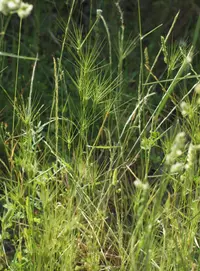
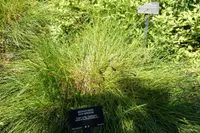
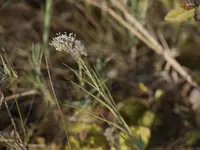
Texas grama Care (Bouteloua rigidiseta)

Texas grama

About Texas grama

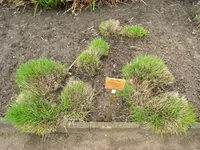
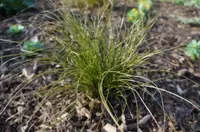
Texas grama (Bouteloua rigidiseta) is a small, warm-season bunchgrass native to prairies and open habitats in the south-central United States and northern Mexico. It forms loose clumps with fine, narrow leaves and delicate seed heads held on slender stems, giving a soft, airy look in mixed plantings.

This grass is adapted to heat, sun, and dry conditions, which makes it relatively low-maintenance once established. Understanding how to care for Texas grama mainly involves providing well-drained soil and avoiding consistently wet, heavy sites.

Bouteloua rigidiseta suits naturalistic gardens, restoration projects, and low-input landscapes where a durable, drought-tolerant grass is needed. Its modest size works well at the front or middle of a meadow-style planting.

Main Plant Requirements

Care Difficulty

Easy Care

Light Preference

Full Sun

Water Requirements

Low Water

Temperature Preference

Cold Hardy

Hardiness Zone

6–10

Soil Texture

Sandy, Loamy, Rocky

Soil pH

Slightly acidic (6.5–7.0), Neutral (7.0)

Soil Drainage

Well-drained

Fertilization

Minimal (feed rarely)

Get Personalized Care Plan

Scan your plant to receive care tips personalized for your specific plant

Available on iOS and Android

How to Care for the Texas grama

Bouteloua rigidiseta thrives in open, sunny sites typical of warm prairies.

  • Provide full sun for 6–10 hours daily; growth becomes thin and floppy in heavier shade.
  • Plant in an exposed position with unobstructed morning and afternoon sun; very light afternoon shade is acceptable in hot regions.
  • In summer, prolonged deep shade reduces flowering, while extreme reflected heat from pavement can scorch foliage, so allow some air movement around Texas grama.

This warm-season grass prefers dry to moderately dry conditions once established.

  • Allow the top 3–5 cm of soil to dry between waterings; the foliage should not stay in wet soil for more than a day or two.
  • During the first growing season, water deeply but infrequently to moisten the root zone, then reduce watering to drought-style care once roots are established.
  • Watch for yellowing, limp foliage and soft crowns as signs of overwatering, and crisp, curling blades and slow recovery after rain as signs of underwatering in Bouteloua rigidiseta.

This species is adapted to warm, temperate climates with hot summers and cool winters.

  • Active growth occurs around 75–95°F (24–35°C); it slows below about 60°F (16°C) and enters dormancy in cooler seasons.
  • Mature plants tolerate winter lows near 0°F (-18°C) in well-drained soil, though extended wet cold increases crown rot risk.
  • The grass handles summer heat up to 105°F (41°C) if soil is not waterlogged, but young plants may need extra moisture in dry, hot, windy periods.

This warm-season grass tolerates a wide humidity range and usually needs no special adjustment in homes or gardens.

This species prefers lean, fast-draining mineral soil that mimics dry prairie conditions.

  • Use sandy or sandy-loam soil with at least 40–60% mineral grit such as coarse sand or fine gravel to prevent water retention.
  • Maintain slightly acidic to neutral pH around 6.0–7.5, avoiding strongly acidic or highly alkaline mixes that reduce nutrient availability.
  • Incorporate only a small amount of compost (10–20%) so the soil stays low in organic matter, which suits Bouteloua rigidiseta and reduces rot risk.
  • Avoid heavy clay, peat-heavy, or compacted mixes; add coarse sand or small gravel to improve aeration and drainage if soil feels dense.

This grass can grow in containers if the pot and substrate are chosen to stay dry between waterings.

  • Choose a wide, shallow pot to match its fibrous root system and allow clump expansion without excessive depth that traps moisture.
  • Use a heavy or weighted container in windy sites to keep the relatively upright flower stalks from tipping the pot.
  • Select a gritty, fast-draining mix so rainfall or irrigation moves through quickly, preventing waterlogging at the container base.

This drought-adapted native grass needs only light feeding, so focus on maintaining lean, well-drained soil when caring for Texas grama.

  • Use a thin top-dressing of compost or a low-rate, balanced slow-release fertilizer (around 10-10-10) in early spring.
  • Apply at most once per growing season in average garden soil; skip feeding on very rich sites.
  • Dilute liquid products to 1/2–1/4 strength if used, and water in lightly after application.
  • Avoid fertilizing in fall and winter to prevent soft, cold-sensitive growth and to maintain compact habit.

Pruning for Bouteloua rigidiseta is minimal and mainly supports a tidy clump and healthy new growth.

  • Cut back old foliage and seed stalks in late winter or very early spring before new shoots emerge.
  • Remove dead, broken, or badly flopped stems at the base using clean, sharp hand pruners.
  • Thin out a few crowded stems from the center to improve air flow and maintain an upright form.
  • Leave some seed heads over winter if wildlife value is desired, then shear them off during seasonal clean-up.

This grass is usually grown in the ground, so focus on careful transplanting rather than frequent repotting.

  • Transplant in early spring or early fall when temperatures are mild and soil is workable.
  • Look for signs such as clumps outgrowing their space, bare centers, or roots circling in small containers.
  • Lift the plant with a generous soil plug, disturb roots as little as possible, and replant at the same depth.
  • Water thoroughly after transplanting, then keep soil lightly moist for 1–2 weeks to reduce transplant shock.

Bouteloua rigidiseta is commonly propagated by division or seed to expand plantings or refresh older clumps.

  • Divide established clumps in early spring, slicing them into sections with a sharp spade or knife.
  • Replant divisions immediately into well-drained soil, firm gently, and water to settle air pockets.
  • Sow seeds in late fall or early spring, using full sun and a gritty, free-draining substrate.
  • Keep seed or division sites evenly moist, not saturated, until new roots and shoots are clearly established.

This warm-season native grass is generally cold hardy and needs little special winter care in most temperate climates.

  • Tolerates typical light to moderate frosts once established, with foliage naturally browning in cold weather.
  • In colder zones, a light mulch layer (2–5 cm) around the crown helps moderate soil temperature.
  • Leave dormant foliage standing over winter to insulate the crown, cutting it back in late winter or early spring.
  • For container plants in very cold regions, move pots to a sheltered, unheated space to reduce root freezing.

Care Tips

Shearing for Density

Cut back the clumps by about one-third in late winter before new growth starts to encourage tighter, denser foliage and more uniform flowering stalks in the coming season.

Staggered Renewal Patches

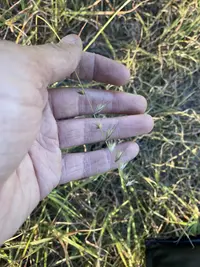
Every 2–3 years, divide and replant a few older clumps instead of the whole stand at once, so you maintain continuous cover and avoid bare patches while still renewing plant vigor.

Companion Groundcover Strategy

Interplant with low, drought-adapted groundcovers or fine-leaved perennials to reduce soil crusting and erosion around the bases, which helps seedlings establish and fills gaps between mature clumps.

Seed Retention Management

Leave some mature seed heads on the plants through late summer, then lightly shake or brush them over nearby bare soil to thicken the stand without formal reseeding.

Low-Mow Path Creation

If the grass is used in larger groupings, mow or shear narrow paths slightly lower than surrounding clumps to create access routes for maintenance while also visually defining the planting area for easier growing Texas grama in designed landscapes.

Common Pests and Diseases

Chinch bugs

This pest feeds on grass crowns and stems, causing scattered to large patches of straw-colored, dead-looking tufts, especially during hot, dry weather. Symptoms include rapid thinning in sunny, drought-stressed sites where the soil remains dry despite irrigation.

Solution

Reduce thatch and maintain moderate irrigation to limit favorable habitat, then confirm activity by parting the grass at the soil line and looking for small black-and-white insects. For significant damage, spot-treat affected areas with a labeled low-toxicity insecticide or horticultural soap, and encourage natural predators by minimizing broad-spectrum chemical use.

Grasshoppers

These insects chew leaves and seed heads, leaving ragged edges and sometimes near-complete defoliation of exposed clumps in open, dry sites. Damage is often more visible on isolated plants or along field and garden edges.

Solution

Encourage birds and beneficial insects, mow or trim nearby weedy areas that harbor nymphs, and use floating row covers or light netting over valuable stands during peak feeding periods. In severe outbreaks, apply a targeted bait or insecticide labeled for grasshoppers around, rather than directly on, the plants to reduce feeding pressure.

Rust

This disease causes orange to brown powdery pustules on leaves and stems, along with yellowing and early leaf drop on stressed or crowded clumps. Symptoms include reduced vigor and a less dense, patchy appearance in plantings.

Solution

Increase air circulation by thinning dense stands and avoid frequent overhead watering, especially late in the day. Remove and discard heavily infected foliage, then, if rust persists, use a labeled fungicide on new growth and monitor for recurrence during warm, humid periods while following general Texas grama care instructions to keep plants vigorous.

Smut

This disease replaces normal flower and seed structures with black, sooty spore masses, often distorting or destroying the characteristic seed heads. Symptoms include contaminated inflorescences and reduced seed production in affected clumps.

Solution

Cut and dispose of infected seed heads before spores spread, and avoid saving seed from contaminated plants. Maintain good site sanitation, rotate plantings if grown in production beds, and favor healthy, well-adapted plants to reduce susceptibility over time.

Interesting Facts

Texas Shortgrass Specialist

This species is native to dry prairies and open sites in Texas and the southern Great Plains, where it forms part of the shortgrass community on well-drained, often calcareous or sandy soils.

Distinctive Seed Head Shape

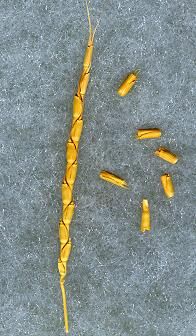
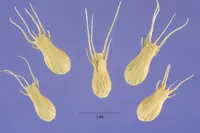
Its flowering stems carry short, comb-like seed heads that are held on one side of the stalk, a characteristic feature of grama grasses that helps distinguish it from many other native warm-season grasses.

Warm-Season C4 Physiology

The species uses C4 photosynthesis, an efficient pathway for carbon fixation in hot, sunny, and water-limited environments, which supports active growth during the warmest months while conserving water.

Botan icon

Did you know?

Texas grama is considered a good indicator of relatively undisturbed shortgrass prairie fragments in parts of its range, so its presence often signals that the native grassland plant community is still largely intact.

FAQs about Texas grama

This warm-season bunchgrass is a short-lived perennial, often persisting several years in suitable conditions. Individual clumps may thin with age, but natural reseeding usually maintains a stable presence in well-managed, open, sunny sites.

Grow Healthy Plants with Botan Care

Keep your plants happy and healthy with plant identification, disease detection, and easy care guidance.

Botan plant care app — identify plants on mobile

Explore More Plants