Staggered Sowing
Sow small patches every 10–14 days in early spring so patches mature at slightly different times, which maintains an attractive stand and allows observation of how different sowing dates handle your local weather.

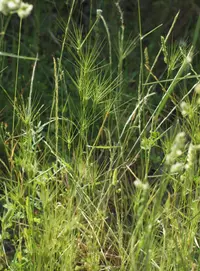
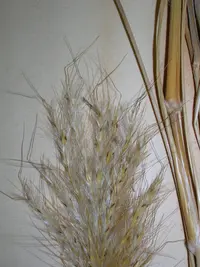
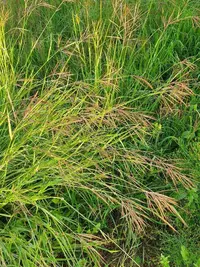
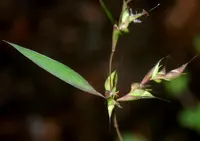
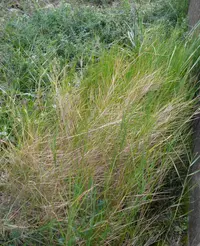
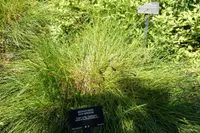
Three-awned goat grass (Aegilops neglecta) is a small annual grass related to wheat and other cereals. It forms loose clumps with slender stems and narrow leaves. Seed heads carry three fine awns that give the plant a bristly, delicate look. It often appears in fields, roadsides, and disturbed sites around the Mediterranean region and similar climates. This grass is generally undemanding and can tolerate poor, dry soils, which makes it hardy but also somewhat weedy in suitable conditions. It prefers full sun and well-drained ground. For anyone wanting to care for three-awned goat grass, its main needs are an open, bright spot and avoidance of consistently wet soil.

Care Difficulty
Easy Care

Light Preference
Full Sun

Water Requirements
Low Water

Temperature Preference
Cool Climate

Hardiness Zone
6–9

Soil Texture
Sandy, Loamy, Rocky

Soil pH
Slightly acidic (6.5–7.0), Slightly alkaline (7.0–7.5)

Soil Drainage
Well-drained

Fertilization
Minimal (feed rarely)
Scan your plant to receive care tips personalized for your specific plant
Available on iOS and Android
This annual grass prefers open, sunny sites similar to its native Mediterranean habitats.
This species is drought-tolerant and prefers relatively dry conditions once established.
This Mediterranean grass performs best in mild, temperate climates with cool to warm seasons.
This grass tolerates a wide humidity range and rarely needs special humidity management.
This species prefers mineral, well-drained soil that does not stay wet for long periods.
This species can be grown in containers, mainly for study, seed production, or controlled plots rather than ornamental display.
This wild grass generally thrives in lean soils and usually needs no routine feeding.
Aegilops neglecta needs only light pruning to keep stands tidy and healthy.
This species is usually grown in the ground, so care focuses on occasional transplanting rather than frequent repotting.
Propagation of Aegilops neglecta is mainly done by seed for conservation, research, or restoration purposes.
This grass is cold hardy in much of its range and usually needs minimal winter care in the ground.

Plant Health Check
Not sure what's wrong with your plant? Check your plant's health inside the app.
This wild goatgrass can naturally hybridize with domesticated wheat species, which makes it important in studies of wheat evolution and gene flow between crops and their wild relatives.
It is native to the Mediterranean region and nearby areas, where it typically occurs in disturbed sites, field margins, and open habitats that experience mild, wet winters and dry summers.
Populations of this species show notable genetic variation across their range, so researchers use it as one of several model taxa to understand how climate and geography shape diversity in wild wheat relatives.

Genetic material from Aegilops neglecta and closely related goatgrasses has been investigated as a potential source of traits such as disease resistance and abiotic stress tolerance for future wheat breeding programs, because many wild relatives carry adaptive genes that cultivated wheat has lost.
This species can behave invasively in some regions, especially disturbed rangeland and pastures, where it competes with native grasses. Always check local invasive species lists and regulations before planting, and avoid introducing it near natural habitats.
Keep your plants happy and healthy with plant identification, disease detection, and easy care guidance.