splitawn sedge Care (Carex tumulicola)

Also known as: foothill sedge
splitawn sedge

About splitawn sedge

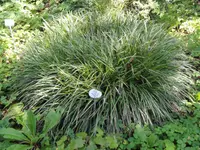
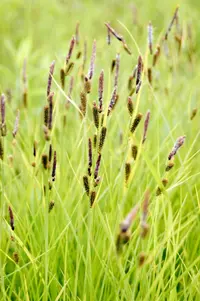
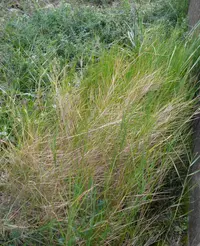
Splitawn sedge (Carex tumulicola) is a cool-season, clumping grass-like perennial native to western North America, especially California and Oregon. It forms soft, arching tufts of fine green leaves that give a natural, meadow-like look. This sedge often grows in open woodlands and coastal grasslands, where soils stay mildly moist but not waterlogged. It is valued in gardens for its tolerance of light shade, variable soil types, and moderate drought once established. Most gardeners find it reasonably easy to care for splitawn sedge when given consistent moisture during establishment and protection from extreme heat or deep shade.

Main Plant Requirements

Care Difficulty

Easy Care

Light Preference

Partial Sun

Water Requirements

Moderate Water

Temperature Preference

Cold Hardy

Hardiness Zone

6–10

Soil Texture

Sandy, Loamy, Clay

Soil pH

Acidic (5.5–6.5), Slightly acidic (6.5–7.0)

Soil Drainage

Moist but well-drained

Fertilization

Minimal (feed rarely)

Get Personalized Care Plan

Scan your plant to receive care tips personalized for your specific plant

Available on iOS and Android

How to Care for the splitawn sedge

This grass prefers bright outdoor conditions with gentle sun exposure for best growth.

  • Provide 4–6 hours of sun daily, ideally morning sun with light afternoon shade, to keep foliage dense and upright.
  • Tolerates partial shade, especially in hotter regions, but deep shade reduces vigor and results in sparse, floppy clumps of splitawn sedge.
  • In hot summers, protect from harsh afternoon sun to prevent leaf tip scorch, while in cooler seasons slightly higher sun exposure supports compact, healthy growth.

This species prefers consistently moist but not waterlogged soil, especially during active growth.

  • Water when the top 2–4 cm of soil feels barely moist to the touch, avoiding both cracked-dry and saturated conditions.
  • In spring and summer, increase watering as growth and evaporation rise; in fall and winter, reduce frequency but prevent the root zone from fully drying out.
  • Watch for yellowing, limp leaves as a sign of overwatering and root stress, while brown, crisp tips usually indicate prolonged dryness or very fast-draining soil.

This cool-season sedge manages a wide temperature range but grows best in moderate conditions.

  • Optimal growth occurs around 55–75°F (13–24°C), when foliage stays lush and new shoots emerge steadily.
  • Established plants tolerate winter down to about 10–15°F (-12 to -9°C), with foliage burn possible, but crowns usually survive in the ground with mulch.
  • In summer, plants handle brief heat up to about 90–95°F (32–35°C) if soil stays evenly moist; prolonged extreme heat and drought can cause tip burn and thinning.

This species handles a broad humidity range and usually does not need special humidity management outdoors.

This sedge prefers moist, well-structured soil that drains freely but does not dry out completely.

  • Use a loamy or sandy-loam soil with 20–30% organic matter from compost or leaf mold for steady moisture and nutrients.
  • Ensure drainage is moderate to fast; avoid compacted clay or sites where water stands for more than a few hours after rain.
  • Aim for slightly acidic to neutral pH, roughly 6.0–7.0, which suits Carex tumulicola in most garden conditions.
  • To improve aeration and drainage in heavy soil, incorporate coarse sand or fine gravel into the top 15–20 cm before planting.

This species suits containers outdoors when the pot supports consistent moisture without waterlogging.

  • Choose a wide, shallow to medium-depth container to accommodate its clumping, spreading root system without crowding the edges too quickly.
  • Select a heavier material like ceramic or concrete in windy sites to keep the foliage mass from tipping the pot.
  • Raise the container slightly on feet or bricks so drainage holes stay clear and excess water runs off quickly after irrigation or rain.

This native sedge needs modest feeding, as splitawn sedge evolved in relatively low-nutrient soils.

  • Use a balanced slow-release fertilizer (around 10-10-10) or a light top-dressing of compost in early spring.
  • Feed once per growing season for in-ground plants; container-grown clumps may benefit from a second light feeding in midsummer.
  • Apply at half the label rate to avoid excessive, floppy growth and salt buildup.
  • Skip fertilizing in fall and winter, when growth slows and nutrients are less effectively used.

Pruning Carex tumulicola is simple and mainly focused on keeping the clump clean and tidy.

  • Late winter to very early spring is the best time, before fresh new growth extends.
  • Use clean hand shears to remove dead, damaged, or discolored blades down near the base.
  • Lightly thin crowded or matted sections to maintain an attractive, arching fountain shape.
  • Avoid cutting into very tight new growth at the center to prevent flat or scalped patches.

This sedge is usually grown in the ground, so focus on dividing and transplanting crowded clumps rather than frequent repotting.

  • Plan transplanting or division for early spring or early fall, when temperatures are mild and soil moisture is stable.
  • Look for signs like congested centers, reduced vigor, or roots circling a container if grown in pots.
  • Lift the clump carefully, split it into several pieces with a sharp spade or knife, and replant at the same depth in prepared soil.
  • Water thoroughly after replanting, then keep soil evenly moist for 2–3 weeks to limit root stress and encourage re-establishment.

Carex tumulicola is most reliably propagated by division, with seed used mainly for larger restoration or meadow projects.

  • Divide mature clumps in early spring or early fall, when temperatures are cool and soil remains evenly moist.
  • Lift the parent clump, slice it into firm sections with roots and shoots, and replant divisions immediately.
  • Provide consistent moisture and light shade for 1–2 weeks after division to support rooting and recovery.
  • Sow fresh seed on the soil surface in fall outdoors, allowing natural winter chilling to aid germination in spring.

This sedge is generally cold hardy in many temperate regions and needs minimal winter care once established.

  • Tolerates typical light to moderate frosts, though foliage tips may brown in very cold spells.
  • Apply a 5–7 cm mulch layer around the root zone in colder areas to stabilize soil temperature.
  • Leave most foliage in place through winter to shield the crown, then tidy in late winter as new growth starts.
  • Move container-grown plants into a sheltered, unheated spot during severe freezes to protect roots in small pots.

Care Tips

Shear For Renewal

Shear the clump back to 5–8 cm in late winter or very early spring to remove tattered blades and stimulate dense, fresh growth for the new season.


Divide Aging Clumps

Every 3–4 years, lift and divide congested plants in cool weather, replanting only the vigorous outer sections to maintain strong growth and prevent die-out in the center.

Edge To Contain Spread

Use a sharp spade to cut a clean edge around beds or paths once a year, slicing off creeping outer sections to keep this sedge from gradually encroaching into adjacent areas.

Mulch Root Zone

Apply a 3–5 cm layer of composted bark or leaf mold around, but not over, the crown to stabilize soil moisture, suppress weeds, and keep the root zone cooler in summer while growing splitawn sedge.

Check Airflow In Masses

In dense plantings, thin or stagger a few clumps to improve air circulation, which helps foliage dry faster after rain and reduces fungal spotting on the leaves.

Common Pests and Diseases

Rust

This disease causes small orange, brown, or black pustules on the blades, sometimes leading to yellowing and early dieback of foliage in dense or damp plantings.

Solution

Remove and discard affected leaves, reduce overhead watering, and thin crowded clumps to improve airflow; in persistent cases, use a labeled sulfur or chlorothalonil fungicide applied according to instructions and avoid wetting foliage late in the day.

Leaf spot

This disease produces tan to dark brown spots or streaks on leaves, often starting on older foliage in humid or poorly ventilated sites.

Solution

Trim and dispose of heavily spotted leaves, avoid overhead irrigation, and keep the plant in a well-drained, open exposure; if needed, apply a broad-spectrum ornamental grass fungicide and monitor new growth for improvement.

Aphids

These insects cluster on tender leaf bases and flowering stems, sucking sap and sometimes causing distorted growth or sticky honeydew on nearby foliage.

Solution

Spray colonies off with a strong stream of water, then treat remaining insects with insecticidal soap or a light horticultural oil, repeating weekly until populations drop and encouraging natural predators by avoiding broad-spectrum insecticides.

Slugs and snails

These pests chew irregular notches and holes along the leaf margins, especially in shaded, moist plantings and during cool, wet weather.

Solution

Hand-pick at night or early morning, reduce thick mulch and hiding spots near clumps, use iron phosphate bait around plantings, and improve site drainage so foliage and soil do not stay constantly wet.

Interesting Facts

Native California bunchgrass

This sedge is native to coastal and lowland regions of California and parts of Oregon, where it naturally forms loose, mounded clumps in grassland, oak woodland, and coastal scrub habitats.

Support for local invertebrates

In its native range, the dense but fine foliage provides shelter and foraging habitat for ground-dwelling insects and spiders, contributing to small-scale biodiversity in restored landscapes.

Tolerant of light trampling

Unlike many ornamental sedges, this species can tolerate occasional foot traffic and is sometimes used as a meadow-like lawn alternative in low-use areas.

FAQs about splitawn sedge

This species spreads slowly by short rhizomes and clump expansion. It can form soft, natural-looking drifts over time but rarely becomes aggressive. Edging, occasional division, and avoiding excessive irrigation help keep it neatly contained.

Grow Healthy Plants with Botan Care

Keep your plants happy and healthy with plant identification, disease detection, and easy care guidance.

Botan plant care app — identify plants on mobile

Explore More Plants