cane bluestem Care (Bothriochloa barbinodis)

Also known as: Fuzzy Top
cane bluestem

About cane bluestem

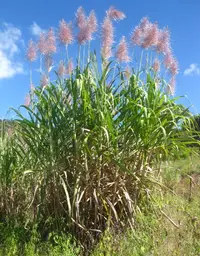
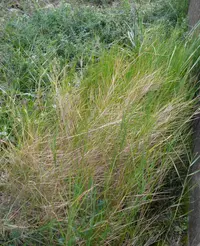
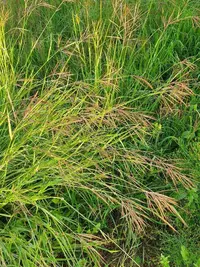
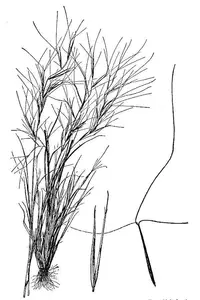
Cane bluestem, Bothriochloa barbinodis, is a warm-season perennial bunchgrass native to dry prairies and open rangelands in the southern United States and Mexico. It forms upright clumps with fine, bluish-green foliage that turns tan as it matures.

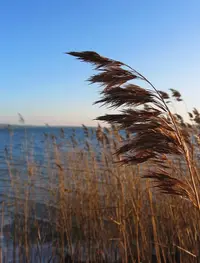
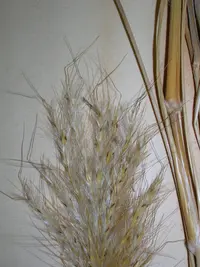
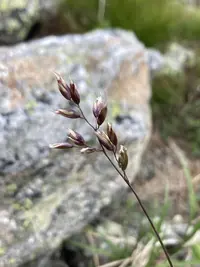
Plants produce fluffy, silvery flower heads that give a soft texture and move easily in the wind. This grass is adapted to heat, drought, and poor soils, which makes it relatively low-maintenance in the right climate.

Because it thrives in full sun and well-drained, lean soil, most of the work to care for cane bluestem is about choosing an appropriate site and avoiding overwatering or rich substrates.

Main Plant Requirements

Care Difficulty

Easy Care

Light Preference

Full Sun

Water Requirements

Low Water

Temperature Preference

Warm Climate

Hardiness Zone

7–10

Soil Texture

Sandy, Loamy, Rocky

Soil pH

Slightly acidic (6.5–7.0), Neutral (7.0)

Soil Drainage

Well-drained

Fertilization

Minimal (feed rarely)

Get Personalized Care Plan

Scan your plant to receive care tips personalized for your specific plant

Available on iOS and Android

How to Care for the cane bluestem

This warm-season grass thrives in open, sunny sites typical of its native prairies and roadsides.

  • Provide 6–8 hours of direct sun daily; full sun supports strongest clump growth and denser flower plumes in cane bluestem.
  • It tolerates light afternoon shade, but plants in less than 4–5 hours of sun become taller, looser, and may lodge or lean.
  • In hot regions, morning sun with light afternoon shade reduces leaf scorching, especially on dry, exposed slopes during summer.

This species is adapted to dry, well-drained conditions and prefers infrequent, deeper watering.

  • Allow the top 5–8 cm of soil to dry between waterings; established clumps in the ground often need only natural rainfall.
  • During the first growing season, water when leaves curl, pale, or fail to spring back after handling, then reduce frequency as roots deepen.
  • Avoid poorly drained or compacted soils; yellowing, limp foliage and persistent wet soil indicate overwatering and root stress in Bothriochloa barbinodis.

This warm-season grass prefers hot summers and mild winters typical of arid and semi-arid climates.

  • Active growth occurs around 75–95°F (24–35°C); plants stay mostly dormant and sparse below 60°F (16°C).
  • Mature clumps tolerate heat above 100°F (38°C) if soil drains well, but prolonged drought plus extreme heat can cause leaf browning.
  • It generally withstands brief dips to about 20–25°F (-6 to -4°C); repeated hard frosts kill top growth, which can be cut back before spring regrowth.

Humidity is not a significant factor for Bothriochloa barbinodis, which is adapted to dry air in outdoor conditions.

This warm-season grass thrives in lean, well-drained mineral soils and tolerates drought once established.

  • Use sandy or gravelly soil with low to moderate organic matter to mimic its native, open rangeland conditions.
  • Ensure very sharp drainage; avoid compacted or waterlogged spots that cause root decline and rot.
  • A mix of 60–80% sand or fine gravel with 20–40% loam or composted material provides enough structure without holding excess water.
  • Aim for slightly acidic to slightly alkaline pH (6.0–8.0), avoiding heavily amended, peat-heavy media that stay wet for long periods.

This species can be grown in containers, but it performs best in large, stable outdoor pots.

  • Choose a wide, heavy container to prevent tipping when the tall foliage catches wind and rain.
  • Use a gritty, fast-draining medium and keep the top 3–5 cm slightly drier to discourage basal crown rot.
  • Raise the pot on feet or bricks so drainage holes clear quickly after storms and do not sit in collected runoff.

This native warm-season grass usually needs little feeding in average, unfertilized soils.

  • If growth is weak on very poor ground, apply a light layer of compost in spring to support Bothriochloa barbinodis.
  • Use a low-dose, balanced NPK granular or slow-release fertilizer at 1/2 strength once at the start of the growing season.
  • Avoid fertilizing in late fall or winter, when growth is dormant, to prevent soft, cold-sensitive shoots.

Pruning focuses on removing old growth and keeping the clump tidy rather than reshaping the plant.

  • Cut back dead or weather-damaged foliage in late winter or very early spring before new shoots emerge.
  • Use clean, sharp shears to trim stems 10–15 cm above ground, encouraging fresh, dense growth.
  • During the growing season, remove broken or diseased stems promptly to maintain air flow and reduce pest issues.
  • Allow some flowering stems to remain if seed production or wildlife value is desired.

This grass is more often grown in the ground, with transplanting done infrequently and thoughtfully.

  • Plan transplanting for early to mid-spring, once soil is workable and before strong heat, to reduce stress.
  • Lift and move clumps only when growth is crowded or decline appears, typically every 3–5 years.
  • Water well before digging, then lift with a wide soil ball to keep roots intact and limit shock.
  • Replant at the same depth in well-drained soil, water thoroughly, and keep evenly moist until new growth establishes.

Bothriochloa barbinodis is usually propagated by seed or by careful division of established clumps.

  • Sow seeds in spring on the soil surface or barely covered, using a well-drained, sandy mix and bright light.
  • Maintain soil lightly moist, not waterlogged, and provide warmth around 70–80°F for better germination.
  • For division, split healthy clumps in early spring, ensuring each section has several buds and a solid root mass.
  • Replant divisions promptly, water deeply, and shade lightly for a few days to reduce transplant stress.

This warm-season grass is fairly cold tolerant in its adapted zones and usually needs little winter attention.

  • In colder areas, leave dry foliage standing over winter to insulate crowns and provide structure.
  • Apply a light mulch layer around the base after soil cools, avoiding direct contact with the crown.
  • For container plants in regions with hard freezes, move pots to a sheltered, unheated but frost-free spot.

Care Tips

Establish deep roots

During the first growing season, give one slow, soaking irrigation every 10–14 days in dry weather to encourage deep root development that will later improve drought tolerance.

Shear for rejuvenation

Every late winter, shear old stems to 5–8 cm above the ground rather than spot-pruning, which promotes a dense flush of new growth and maintains a uniform stand.

Rotate cutting heights

If using as forage or for cut stems, alternate mowing or cutting heights between 10–20 cm through the season so plants are not repeatedly weakened at the same node level.

Control seeding spread

Before the seed heads fully mature and fluff out, remove or cut selected clumps if you want to limit self-seeding along paths, beds, or neighboring properties while still keeping a natural look.

Use light thinning

Every 2–3 years, lift and divide the thickest clumps in early spring, replanting only the outer, more vigorous sections to keep stands open, long-lived, and easier for caring for cane bluestem in landscape settings.

Common Pests and Diseases

Smut fungus

This disease produces black, powdery spore masses that replace or distort flower and seed heads. Symptoms include reduced seed production and discolored, misshapen panicles.

Solution

Remove and destroy affected seed heads before spores mature to reduce field inoculum. Avoid overhead irrigation, reduce dense thatch, and if smut is recurrent in forage stands, consider rotating or overseeding with less susceptible warm-season grasses as part of Bothriochloa barbinodis care instructions.

Rust

This disease causes small orange to brown pustules on leaves, often leading to a yellowed or scorched appearance and early leaf drop. Symptoms include reduced vigor in heavily affected clumps.

Solution

Mow or cut back and remove heavily infected foliage to lower the spore load, then allow clean regrowth. Improve air circulation, avoid high nitrogen fertilization, and irrigate at soil level rather than wetting foliage to limit new infections.

Grasshoppers

These insects chew long, irregular holes along leaves and can strip foliage from young plants in dry, open sites. Symptoms include ragged leaves and reduced stand density in severe outbreaks.

Solution

Encourage natural predators such as birds by maintaining habitat diversity, and, in small plantings, hand-catch or knock insects into soapy water. For larger areas, use targeted baits or barrier screens at the upwind edge rather than broad-spectrum sprays to protect beneficial insects.

Chinch bugs

These insects feed at the base of stems and on lower leaves, causing localized patches of yellowing that can progress to brown, dry tufts. Symptoms include plants that look drought-stressed despite adequate soil moisture.

Solution

Reduce thatch and maintain moderate irrigation so plants are not water-stressed, which makes damage less severe. Spot-treat infested patches with insecticidal soap or a labeled low-impact insecticide in the thatch zone, and overseed thin areas to restore a dense stand that is less attractive to chinch bugs.

Leaf spot complex

This disease group, caused by several fungi, produces small tan to dark lesions on leaves that may coalesce into larger dead patches. Symptoms include premature leaf browning, especially in overly irrigated or crowded stands.

Solution

Cut back and remove heavily spotted foliage, then allow new growth from the crown. Space plantings to improve airflow, water deeply but infrequently at soil level, and avoid evening overhead irrigation; in forage or habitat plantings, disease usually remains cosmetic and does not require fungicides.

Interesting Facts

Distinctive hairy nodes

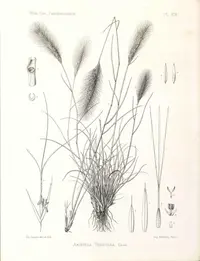
The stems of this grass have noticeably hairy nodes and upper internodes, which help distinguish it from similar warm‑season bunchgrasses in the field.

Blue‑green summer color

Its leaves often show a blue‑green or glaucous tint, especially in strong sun, giving established clumps a characteristic bluish cast in summer.

Wind‑dispersed fluffy seeds

The flowering heads produce small, fuzzy seed clusters with silky hairs that catch the wind, allowing the species to spread efficiently across open, disturbed sites.

Botan icon

Did you know?

This species is considered an important warm‑season forage grass in parts of the southwestern United States and northern Mexico, where its persistent clumps and moderate drought tolerance provide reliable grazing value for wildlife and livestock on arid rangelands.

FAQs about cane bluestem

This warm-season bunchgrass spreads mainly by seed and short rhizomes, forming clumps rather than running mats. It can self-seed and expand in open, disturbed sites but is not usually strongly invasive in managed landscapes.

Grow Healthy Plants with Botan Care

Keep your plants happy and healthy with plant identification, disease detection, and easy care guidance.

Botan plant care app — identify plants on mobile

Explore More Plants