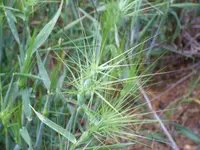
sweetpitted grass Care (Bothriochloa insculpta)

Also known as: Pinhole Grass, Turf Grass
sweetpitted grass

About sweetpitted grass

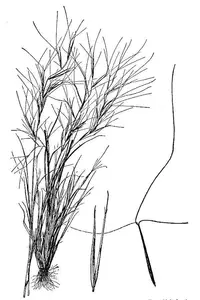
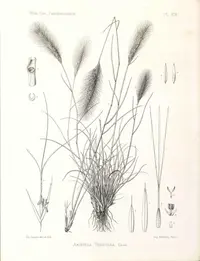
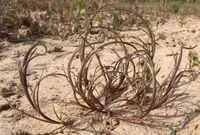
Sweetpitted grass, Bothriochloa insculpta, is a warm-season perennial grass valued mainly as a forage and soil-stabilizing species. It forms dense clumps with fine, bluish-green leaves and produces fluffy, purple-tinged seed heads.

This grass is native to eastern Africa and has been widely introduced to tropical and subtropical regions for grazing and erosion control. It tolerates heat, seasonal drought, and relatively poor soils, which generally makes it straightforward to manage in suitable climates.

It prefers open, sunny sites and well-drained soil, and does best with moderate moisture rather than constant wet conditions. Understanding these basic preferences helps guide how to care for sweetpitted grass in pasture or landscape settings.

Main Plant Requirements

Care Difficulty

Easy Care

Light Preference

Full Sun

Water Requirements

Low Water

Temperature Preference

Warm Climate

Hardiness Zone

9–12

Soil Texture

Sandy, Loamy

Soil pH

Slightly acidic (6.5–7.0), Slightly alkaline (7.0–7.5)

Soil Drainage

Well-drained

Fertilization

Minimal (feed rarely)

Get Personalized Care Plan

Scan your plant to receive care tips personalized for your specific plant

Available on iOS and Android

How to Care for the sweetpitted grass

This warm-season grass prefers bright, open conditions for strong growth.

  • Provide 6–8 hours of direct sun daily; full sun sites give denser stands and better forage quality for sweetpitted grass.
  • Plant in positions with morning to early afternoon sun; light afternoon shade is tolerated but dense shade reduces tillering and seed production.
  • In summer, monitor for leaf scorch on exposed, shallow soils; in cooler months, choose the sunniest positions to maintain growth and delay dormancy.

Bothriochloa insculpta performs best in moderately dry, well-drained soils.

  • Allow the top 5–8 cm of soil to dry between rains or irrigations; the grass tolerates short dry spells better than constant moisture.
  • Use soils with good drainage, such as sandy loam or well-structured clay; standing water for more than 24 hours increases root rot risk.
  • Watch for rolling or folding leaves and slow growth as signs of drought stress, and yellowing, soft bases of stems as early indicators of overwatering.

This species favors warm climates and is sensitive to prolonged cold and frost.

  • Aim for active growth in 77–95°F (25–35°C), where Bothriochloa insculpta produces dense foliage and recovers well after cutting or grazing.
  • It tolerates short exposures down to about 41°F (5°C) but growth slows sharply; light frosts may burn leaf tips, with plants reshooting when temperatures rise.
  • During hot spells above 100°F (38°C), maintain soil moisture and avoid cutting too short to limit heat stress and protect basal buds.

Humidity is not a critical factor for this drought-tolerant grass, which thrives in typical outdoor air conditions.

This grass prefers lean, well-drained mineral soils rather than rich, heavy mixes.

  • Use a sandy or sandy-loam mix with moderate organic matter, such as 2 parts sandy topsoil to 1 part coarse sand and 1 part compost.
  • Ensure rapid drainage; avoid waterlogged or compacted sites that stay wet for more than a few hours after rain.
  • Maintain slightly acidic to neutral pH around 6.0–7.5, amending very acidic soils with agricultural lime if needed.
  • Improve aeration and structure for Bothriochloa insculpta by incorporating coarse sand or fine gravel instead of peat-heavy amendments in dense soils.

This species can be grown in containers, mainly for forage trials, erosion control starts, or ornamental grassy displays outdoors.

  • Choose a wide, heavy container to prevent tipping as the clumps enlarge and produce tall foliage and seed heads.
  • Provide an extra-deep root zone, at least 30–40 cm, so the fibrous roots can develop enough volume to handle drought between waterings.
  • Use a very free-draining, sandy mix and elevate the pot on feet or bricks so drainage holes never sit in standing water.

Bothriochloa insculpta benefits from light, targeted feeding rather than heavy fertilization.

  • Use a balanced NPK granular or slow-release fertilizer, or a thin top-dressing of mature compost, on established clumps.
  • Apply fertilizer in spring and mid-summer during active growth, avoiding very hot, dry periods to limit stress.
  • Use about half the label rate or a weak liquid dilution to prevent lush, floppy growth and salt buildup.
  • Stop feeding in late fall and through winter dormancy, especially for sweetpitted grass in cooler regions.

Pruning Bothriochloa insculpta is mainly done to remove old growth and keep the clump tidy.

  • Cut back dry or dead foliage at the end of winter or very early spring before new shoots emerge.
  • Remove damaged or lodging (fallen over) stems during the growing season to maintain stand density and appearance.
  • Thin out a few overcrowded stems at the base to improve air flow and reduce disease risk in humid climates.
  • Use sharp shears or a scythe, cutting above the crown to avoid injuring growing points at soil level.

This grass is usually field-grown, so care focuses on transplanting divisions rather than frequent repotting.

  • Transplant or divide clumps in spring when soil is warming and new growth begins, avoiding peak summer heat.
  • Move plants when growth slows, clumps become woody in the center, or container roots circle and fill the pot.
  • Lift the clump carefully, shake off excess soil, and split into sections with healthy roots and several shoots each.
  • Replant divisions at the same depth, firm soil around roots, water thoroughly, and shade lightly for a few days to reduce transplant shock.

Bothriochloa insculpta is commonly propagated by seed and by division of established clumps.

  • Sow fresh seed in late spring to early summer into warm, well-drained soil with consistent light moisture until germination.
  • Provide full sun and avoid waterlogging; seed germinates best in loose, fine-textured seedbeds with good contact.
  • Divide vigorous clumps in spring, cutting them into smaller sections with intact roots and several growing points.
  • Replant divisions promptly, water in well, and keep soil slightly moist until new shoots show steady growth.

Bothriochloa insculpta is suited to warm regions and may suffer damage or die back in prolonged frost.

  • In mild climates, allow foliage to brown naturally, then cut back at the end of winter before spring growth.
  • In areas with occasional frost, apply a light mulch over the root zone to buffer rapid temperature swings.
  • Container-grown plants in cooler zones should be moved to a bright, frost-free spot when hard freezes are forecast.

Care Tips

Targeted pasture rotation

Use rotational grazing with rest periods of 3–6 weeks per paddock so plants can regenerate leaf area and root reserves, which keeps stands dense and productive over many years.

Dry-season residue management

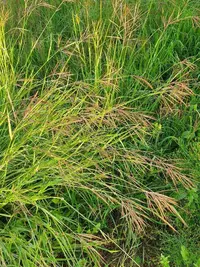
At the end of the rainy season, leave 10–15 cm of stubble and some dry standing foliage to protect the soil surface, reduce erosion, and help crowns survive extended dry periods.

Overseeding for stand thickening

In thin patches, lightly scarify the soil surface and broadcast fresh seed just before expected rains, then roll or press it in so the seed has firm soil contact and fills gaps in the sward.

Soil compaction control

Limit heavy machinery and livestock traffic when soils are wet and periodically subsoil or chisel compacted strips so roots can penetrate deeper and access more moisture and nutrients.

Fire and thatch management

Where burning is permitted and appropriate, use carefully planned cool-season prescribed burns or mechanical slashing to remove excess thatch, improve light penetration to the base of plants, and support healthier regrowth when growing sweetpitted grass.

Common Pests and Diseases

Ergot

This disease produces dark, hardened fungal bodies that replace grass seeds and can introduce toxic alkaloids into forage. Symptoms include black to purple, elongated sclerotia in place of normal seed in the seed heads.

Solution

Reduce humidity around seed heads by avoiding excessive overhead irrigation and maintain good stand density to improve airflow. Remove and destroy heavily infected seed heads before harvest and use clean, tested seed for sowing to limit ergot introduction and spread.

Leaf rust

This disease causes small orange to brown pustules on leaves, leading to premature leaf senescence and reduced forage quality. Symptoms include dusty spores that rub off on fingers and a general yellowing of affected foliage.

Solution

Encourage good air circulation by avoiding overly dense stands and by managing thatch. Remove and destroy heavily infected plant material after cutting or grazing, and avoid high nitrogen fertilization that promotes lush, rust-susceptible growth.

Grass webworms

These insects are caterpillars that feed on leaves and stems, creating webbed patches and thinning the sward. Symptoms include chewed foliage, fine webbing close to the soil surface, and irregular bare or browned patches in the stand.

Solution

Encourage natural predators by minimizing broad-spectrum insecticides and maintain a healthy, vigorous grass cover through balanced fertilization and proper grazing or mowing. In small areas, hand-remove larvae and heavily infested clumps, and use targeted Bt (Bacillus thuringiensis) products in the evening when larvae are actively feeding if damage becomes severe.

Armyworms

These caterpillars feed in groups and can rapidly strip foliage, sometimes leaving only stems and midribs. Symptoms include sharply chewed leaves and a moving front of damage that progresses across the pasture or planting.

Solution

Monitor regularly during warm, humid periods and at the first sign of chewing damage inspect plants at the soil surface and in thatch. Encourage birds and beneficial insects, mow or graze before larvae reach later destructive stages, and where needed apply a selective caterpillar control such as Bt in the late afternoon or evening to limit further defoliation.

Aphids

These insects feed on plant sap, causing leaf yellowing, curling, and reduced vigor, and they excrete sticky honeydew that can attract sooty mold. Symptoms include clusters of small soft-bodied insects on stems and undersides of leaves, often accompanied by ants tending them.

Solution

Wash colonies off with a strong stream of water on small plantings and encourage natural enemies such as lady beetles by avoiding routine broad-spectrum insecticides. In more serious outbreaks, treat with a horticultural soap or light horticultural oil, coating stems and leaf undersides thoroughly while ensuring applications are made in cooler parts of the day to reduce plant stress, which supports Bothriochloa insculpta plant care in forage systems.

Interesting Facts

East African origin

Sweetpitted grass is native to East Africa, especially Kenya and Tanzania, where it evolved in seasonally dry savanna environments with distinct wet and dry periods.

High forage quality

This species is widely used as a pasture grass in tropical and subtropical regions because it produces relatively palatable forage and maintains good nutritive value for grazing livestock when managed correctly.

Drought season survivor

The plant forms a tufted, deep-rooted perennial habit that allows it to persist through long dry spells and resume growth rapidly once seasonal rains return, which is a key reason for interest in Bothriochloa insculpta plant care in arid and semi-arid systems.

Botan icon

Did you know?

Sweetpitted grass has been introduced and naturalized in several regions outside its native range, including parts of Australia, where it is valued for erosion control on degraded or sloping lands because its dense root system helps stabilize soil and reduce surface runoff.

FAQs about sweetpitted grass

This species forms clumps and can spread via short rhizomes and seed but is usually moderate, not highly invasive, under managed grazing or mowing. In fertile, warm climates, monitor self-seeding and remove unwanted seedlings to keep stands contained.

Grow Healthy Plants with Botan Care

Keep your plants happy and healthy with plant identification, disease detection, and easy care guidance.

Botan plant care app — identify plants on mobile

Explore More Plants