Encourage Dense Clumps
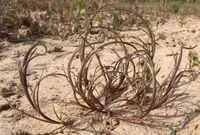
Lightly rake or comb through older foliage in late winter to remove dead blades, which opens the clump to air and light and encourages thicker, fresher regrowth in spring.

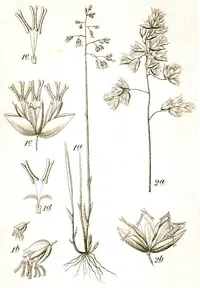
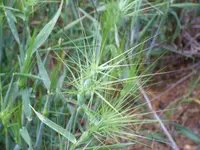
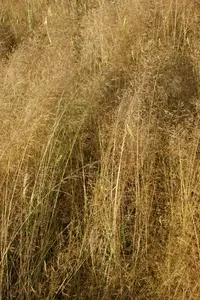
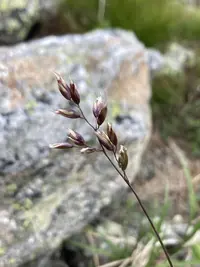
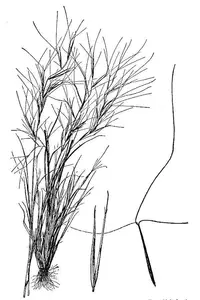
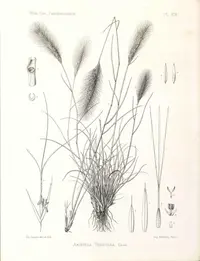
Southern holy-grass (Anthoxanthum australe) is a small perennial grass known for its fine, soft blades and fragrant foliage when crushed or dried. It forms low, tufted clumps and produces delicate flowering stems that give a light, airy look.
This species is native to parts of Europe and often grows in open meadows, light woodland edges, and other moderately moist, well-drained sites. Its modest size and non-aggressive growth habit make it suitable for naturalistic plantings and specialty grass collections.
Once established, it is relatively undemanding if given consistent moisture, cool to mild temperatures, and non-compacted soil. Understanding these basic needs helps anyone learning how to care for Southern Holy-grass in temperate gardens or small outdoor spaces.

Care Difficulty
Moderate Care

Light Preference
Partial Sun

Water Requirements
Regular Water

Temperature Preference
Cool Climate

Hardiness Zone
5–8

Soil Texture
Loamy, Silty, Organic-rich

Soil pH
Acidic (5.5–6.5), Slightly acidic (6.5–7.0)

Soil Drainage
Moist but well-drained

Fertilization
Minimal (feed rarely)
Scan your plant to receive care tips personalized for your specific plant
Available on iOS and Android
This cool-season grass prefers bright, gentle light rather than intense, all-day sun.
This species prefers consistently moist but not waterlogged soil.
This temperate grass grows best in mild conditions and tolerates cool weather well.
This grass prefers moderate humidity but adapts to most outdoor conditions in temperate climates.
This species grows best in light, well-structured mineral soil that drains freely yet holds moderate moisture.
This grass can be grown in containers if the pot is sized and drained to match its fibrous root system.
This species is adapted to low-nutrient soils, so Southern Holy-grass needs only light, infrequent feeding in cultivation.
Anthoxanthum australe benefits from light, seasonal pruning to keep the clump tidy and encourage fresh growth.
In gardens, this grass is usually transplanted rather than repotted, since it is more often grown in the ground than in containers.
Anthoxanthum australe is commonly propagated by seed and by division of established clumps.
This cool-season grass is generally cold hardy in temperate climates and needs minimal winter care once established.

Plant Health Check
Not sure what's wrong with your plant? Check your plant's health inside the app.
This grass is native to southern and parts of central Europe, where it typically grows in dry, open habitats such as rocky slopes, light scrub, and open woodland clearings rather than in wet meadows like some related species.
Closely related to sweet vernal-grass, this species also contains coumarin, a fragrant compound that gives dried foliage a subtle sweet-hay aroma, although it is not as strongly scented as some other Holy-grass species.
For many years it was often confused with or included in other Anthoxanthum taxa, but detailed morphological and geographic studies led to its recognition as a distinct species in modern grass systematics, which is important for accurate floras and conservation work.
This species spreads by seed and short rhizomes, forming small to medium clumps rather than large monocultures. In managed beds or meadows it is usually easy to control with occasional edging and removal of unwanted seedlings.
Keep your plants happy and healthy with plant identification, disease detection, and easy care guidance.