Shear For Renewal
In late winter, shear the clumps back by 5–8 cm with clean, sharp shears to remove old, tired foliage and stimulate dense, fresh spring growth.

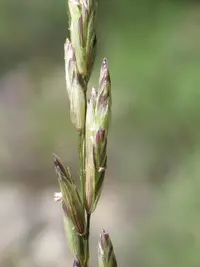
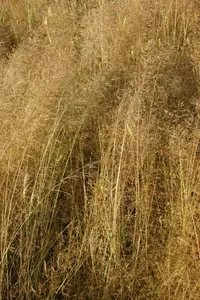
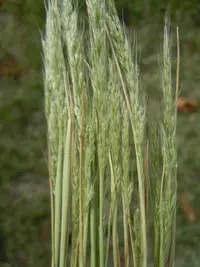
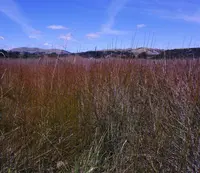
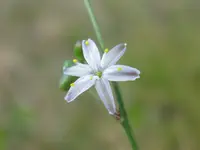
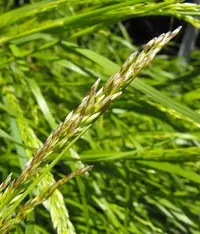
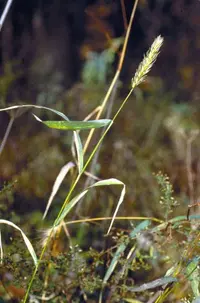
California melicgrass (Melica californica) is a perennial bunchgrass native to the western United States, especially California hillsides, woodlands, and coastal slopes. It forms loose clumps with slender, arching stems and fine-textured foliage that give a soft, natural look. In spring to early summer, it produces airy flower spikes that age to tan, adding movement and subtle color to informal plantings and habitat gardens. This species adapts well to dry, rocky, or sandy soils and is valued for erosion control and wildlife support. Once established, it is relatively low-maintenance, which makes it easier to care for California melicgrass in water-wise landscapes.

Care Difficulty
Easy Care

Light Preference
Full Sun

Water Requirements
Low Water

Temperature Preference
Cold Hardy

Hardiness Zone
6–10

Soil Texture
Sandy, Loamy, Rocky

Soil pH
Slightly acidic (6.5–7.0), Neutral (7.0)

Soil Drainage
Well-drained

Fertilization
Minimal (feed rarely)
Scan your plant to receive care tips personalized for your specific plant
Available on iOS and Android
This native bunchgrass prefers moderate sun exposure that mimics open woodland or coastal conditions.
This drought-tolerant grass prefers infrequent, deeper watering once established.
This species is adapted to mild, Mediterranean-type climates with cool, wet winters and warm, dry summers.
This species tolerates a wide humidity range and usually needs no special humidity management.
Melica californica prefers well-drained, slightly dry soils and handles poor fertility if drainage is strong.
This grass can grow in containers if the pot is prepared to mimic its naturally free-draining root conditions.
This drought-tolerant native grass needs only light feeding, especially when grown in lean, well-drained soil.
Melica californica benefits from simple, seasonal pruning to maintain a tidy clump and encourage fresh growth.
This grass is usually grown in the ground, with transplanting more common than repotting long term containers.
This species is commonly propagated by seed or by division of established clumps.
In most mild, Mediterranean-type climates, this grass is cold hardy and needs minimal winter attention.

Plant Health Check
Not sure what's wrong with your plant? Check your plant's health inside the app.
This species is a perennial bunchgrass native to California and parts of Oregon, especially common on coastal bluffs, chaparral edges, and open woodlands where it tolerates dry, rocky, and nutrient-poor soils.
Dense clumps of this grass provide cover and nesting habitat for small mammals, ground-dwelling birds, and many invertebrates, making it valuable in native habitat restoration and erosion-control plantings.
It behaves as a cool-season grass in its native range, putting on most of its growth from fall to spring, then naturally slowing or going partly dormant in the hottest, driest part of summer even when some moisture is available.

California melicgrass commonly hybridizes with closely related Melica species where their ranges overlap, and these natural hybrids can complicate field identification because they blend traits such as spikelet size, hairiness, and leaf texture.
This species is semi-evergreen in mild climates, keeping much of its foliage through winter. In colder or very dry conditions, it may partially die back, then resprout from the base when temperatures and moisture improve.
Keep your plants happy and healthy with plant identification, disease detection, and easy care guidance.