Virginia wildrye Care (Elymus virginicus)

Virginia wildrye

About Virginia wildrye

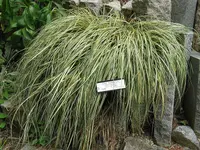
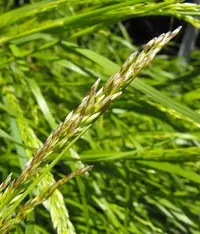
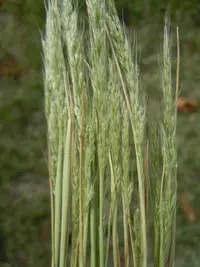
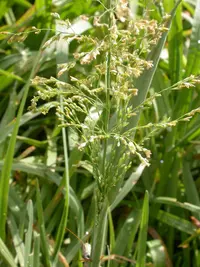
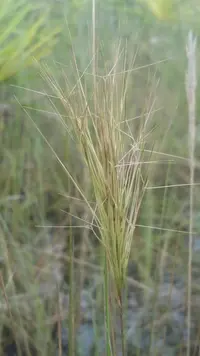
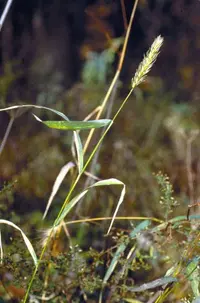
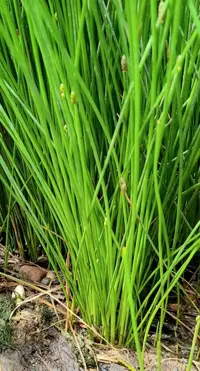
Virginia wildrye (Elymus virginicus) is a cool-season perennial bunchgrass native to much of North America. It forms upright clumps with narrow, arching leaves and bristled seed heads that resemble a soft bottlebrush.

In natural habitats it occurs in open woods, stream banks, prairies, and roadsides, often in slightly moist, fertile soils. The plant provides cover and food for wildlife, making it useful in restoration and meadow plantings.

This grass is generally easy to establish, tolerating a range of soils, partial shade, and periodic flooding, though it prefers consistent moisture and good drainage. Understanding how to care for Virginia wildrye helps it stay dense and attractive in garden settings.

Main Plant Requirements

Care Difficulty

Easy Care

Light Preference

Full Sun

Water Requirements

Moderate Water

Temperature Preference

Cold Hardy

Hardiness Zone

3–8

Soil Texture

Sandy, Loamy, Clay

Soil pH

Acidic (5.5–6.5), Slightly acidic (6.5–7.0)

Soil Drainage

Moist but well-drained

Fertilization

Minimal (feed rarely)

Get Personalized Care Plan

Scan your plant to receive care tips personalized for your specific plant

Available on iOS and Android

How to Care for the Virginia wildrye

This cool-season native grass prefers consistent light but adapts to a range of field and garden exposures.

  • Provide 4–8 hours of sun daily; morning sun with light afternoon shade suits Virginia wildrye in hotter regions.
  • In cooler climates, full sun supports denser clumps and stronger stems, while bright partial shade still allows acceptable growth.
  • Avoid deep shade, which leads to weak, floppy foliage, and protect young plants from intense, reflected afternoon sun that can scorch leaves.

This species prefers moderately moist soil but becomes more drought-tolerant once established.

  • In the first growing season, water when the top 3–5 cm of soil feels dry, aiming for a thorough soak that reaches the root zone.
  • Use well-drained soil; persistent puddling, algae on the surface, or a sour smell indicate overwatering and poor aeration.
  • Mature Elymus virginicus tolerates short dry spells; watch for curling or gray-green leaves as a cue to irrigate, especially during hot, windy periods.

This cool-season grass is adapted to a wide climate range but grows most actively in moderate temperatures.

  • Optimal growth occurs around 55–75°F (13–24°C), with strong spring and fall performance as soil begins to warm.
  • Established plants tolerate winter lows near -20°F (-29°C) under typical field conditions, going dormant rather than dying back completely.
  • Heat tolerance extends to about 90–95°F (32–35°C) if soil moisture is maintained; prolonged extreme heat with drought can thin stands over time.

Humidity is rarely a concern for Elymus virginicus, which is adapted to typical outdoor air conditions in its range.

  • Performs reliably in 30–60% humidity outdoors without special adjustment.
  • Tolerates drier air if soil moisture is maintained, with leaf tips only slightly browning under extended drought plus low humidity.
  • Humidity stress shows mainly as fine tip scorch and reduced vigor, so prioritize consistent soil moisture over air-humidity changes.
  • If growing Virginia wildrye in very exposed, hot sites, light mulching around the base helps reduce transpiration stress more effectively than misting.

This species prefers moderately moist, well-drained mineral soils and adapts to a range of textures if extremes are avoided.

  • Best growth occurs in loamy or sandy-loam soil with some organic matter, which balances moisture retention and air space for roots.
  • Aim for pH 6.0–7.5; in overly acidic soils, incorporate a small amount of garden lime only after a soil test confirms need.
  • Before planting Elymus virginicus, loosen the top 20–25 cm and mix in compost plus sharp sand if the site tends to stay wet.
  • Avoid heavy, compacted clay or sites where water pools after rain; improve such areas with raised beds or repeated organic-matter incorporation to increase aeration and drainage.

This grass can be grown in containers for short- to medium-term plantings if the pot is sized and weighted correctly.

  • Use a tall, stable pot to accommodate its fibrous root system and reduce the risk of the container tipping in wind.
  • Choose a slightly heavier material, such as ceramic or thick-walled terracotta, to counterbalance the upright foliage mass.
  • Ensure a gritty, free-draining mix and keep the drainage holes completely unobstructed so excess water exits quickly after rain or irrigation.

This native grass usually grows well in average soils, so Virginia wildrye benefits from only modest fertilization in managed plantings.

  • Apply a light layer of compost or a balanced slow-release NPK fertilizer (e.g., 10-10-10) in early spring.
  • Use about half the package-recommended strength to avoid overly lush, floppy growth.
  • In richer soils, feed only every 2–3 years, focusing instead on good soil structure and drainage.
  • Do not fertilize in late fall or winter, when growth is dormant or minimal.

Pruning Elymus virginicus is simple and mainly supports appearance, stand density, and plant health.

  • Cut back old foliage and seed stems in late winter or very early spring before new growth emerges.
  • Remove dead, damaged, or badly lodged stems at ground level using clean hand pruners or shears.
  • Thin crowded clumps by taking out a few older stems to improve air flow and reduce disease risk.
  • Leave some seed heads over winter if desired, then trim once they weather and begin to collapse.

This species is usually grown in the ground, so care focuses on dividing and transplanting mature clumps rather than frequent repotting.

  • Plan transplanting or division in early spring or early fall, when temperatures are mild and moisture is reliable.
  • Lift clumps that show congestion, slow growth, or many roots circling at the edge of the planting area or container.
  • Gently divide the root mass into sections with a sharp spade or knife, keeping several shoots and healthy roots per piece.
  • Replant divisions at the same depth, water deeply, and keep soil evenly moist for 1–2 weeks to limit transplant shock.

Elymus virginicus is commonly propagated by seed or by division of established clumps for consistent stands.

  • Sow seeds in fall or early spring; cool stratification (a cold, moist period) improves germination uniformity.
  • Prepare a weed-free bed and cover seeds lightly with 0.3–0.6 cm of soil, keeping the surface evenly moist until seedlings establish.
  • Divide mature clumps in early spring or early fall, replanting divisions promptly at the same depth.
  • Space new plants to match the desired density, allowing good air flow to reduce foliar disease.

This cool-season native grass is cold hardy in much of its range and needs little special winter care in the ground.

  • In colder regions, leave standing foliage over winter to insulate crowns and provide wildlife habitat.
  • Apply a light mulch layer around the base in late fall in exposed or newly planted sites, avoiding crown smothering.
  • For container-grown plants in very cold climates, move pots to a sheltered, unheated area to prevent root freeze-thaw damage.

Care Tips

Controlled spreading

Install a shallow edging strip (5–8 cm deep) around beds to keep rhizomes from creeping into lawns or neighboring plantings while still allowing the stand to fill in densely.

Targeted overseeding

Every 2–3 years, broadcast a small amount of fresh seed into thin patches in late fall, lightly rake it in, and let winter cold stratify the seed for a thicker, more even stand the next season.

Wildlife-friendly mowing

If used in a meadow or buffer strip, delay the main mowing until late winter, then cut to 10–15 cm so seed heads can feed wildlife and old stems protect crowns through freeze–thaw cycles.

Seed head management

In small landscape beds, shear or hand-cut mature seed heads before they fully shatter if self-seeding is not desired, leaving the basal foliage to continue photosynthesis.

Stand renovation

Every 4–5 years, thin out small sections by digging and removing older, woody clumps in early spring, then backfill with compost and allow younger, more vigorous plants to recolonize for healthier long-term structure when caring for Virginia wildrye.

Common Pests and Diseases

Leaf rust

This disease causes small orange-brown pustules on leaves that can coalesce, leading to yellowing and early leaf drop. Symptoms include reduced vigor and a thinned, patchy stand, especially in warm, humid weather.

Solution

Remove and destroy heavily infected foliage to reduce spore load, and avoid overhead irrigation that keeps foliage wet. Improve air circulation, reduce dense thatch, and in production or restoration settings use resistant seed sources and rotate out of heavily infected areas for several years as part of broader Elymus virginicus care instructions.

Powdery mildew

This disease appears as white, powdery fungal growth on leaf surfaces and sometimes on stems, which can lead to leaf distortion and reduced growth. Symptoms include dull, gray-green foliage and a general decline in plant vigor under crowded or shaded conditions.

Solution

Increase sunlight and air movement by thinning nearby vegetation and avoiding overly dense plantings. Remove and discard affected leaves, reduce excess nitrogen fertilization, and in high‑value plantings apply a registered fungicide labeled for cool-season grasses if cultural steps are not sufficient.

Smut

This disease replaces normal seed heads with dark, powdery black spores, which can significantly reduce seed production. Symptoms include distorted or missing florets and black dust-like masses where seeds should develop.

Solution

Rogue out and destroy infected plants or seed heads before spores disperse, and avoid saving seed from contaminated stands. Use certified clean seed, rotate planting areas, and mow or graze in a way that avoids spreading spores during peak smut release.

Grasshoppers

These insects chew long, irregular holes and margins in leaves and can defoliate patches of plants during outbreaks. This pest is most damaging in hot, dry weather when surrounding vegetation is sparse.

Solution

Encourage natural predators by maintaining habitat diversity, and mow or graze bordering vegetation early to make the area less attractive before populations build. In severe cases, use targeted baits or spot treatments along field edges, and avoid broad-spectrum products that harm beneficial insects unless local extension guidance recommends them.

Armyworms

These caterpillars feed in groups and can rapidly skeletonize leaves, leaving only midribs and causing thin or bare patches in plantings. Symptoms include chewed foliage, greenish frass pellets, and feeding damage that appears suddenly over a few nights.

Solution

Monitor foliage in late afternoon and evening, hand-pick caterpillars in small plantings, and encourage birds and predatory insects by maintaining nearby habitat. In larger stands, use selective biological treatments such as Bacillus thuringiensis (Bt) or other targeted products labeled for turf and pasture grasses when thresholds are exceeded.

Interesting Facts

Key riverbank stabilizer

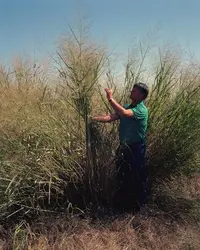
Virginia wildrye naturally occurs along stream banks and floodplains in eastern and central North America, where its dense fibrous roots help stabilize soil and reduce erosion in periodically flooded areas.

Cool-season native grass

This species is a cool-season bunchgrass that begins active growth in early spring and often stays green into early summer, filling a seasonal gap before many warm-season prairie grasses reach peak growth.

Host for native insects

Its foliage and seedheads provide food and habitat for a range of native insects, including several grass-feeding moth and butterfly larvae, which in turn support insectivorous birds and other wildlife.

Botan icon

Did you know?

Virginia wildrye has been widely used in ecological restoration and conservation plantings because it establishes more quickly than many prairie grasses, providing early cover and structure while longer-lived native species slowly develop.

FAQs about Virginia wildrye

This cool-season bunchgrass spreads mainly by seed and short rhizomes, forming clumps rather than dense monocultures in most gardens. It can self-seed modestly, but regular mowing, deadheading, or thinning keeps populations in check.

Grow Healthy Plants with Botan Care

Keep your plants happy and healthy with plant identification, disease detection, and easy care guidance.

Botan plant care app — identify plants on mobile

Explore More Plants