dense silkybent Care (Apera interrupta)

dense silkybent

About dense silkybent

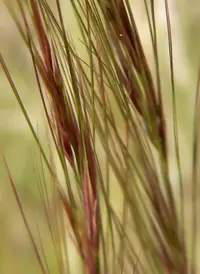
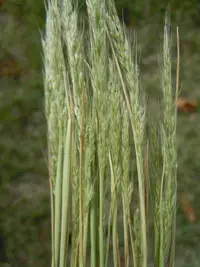
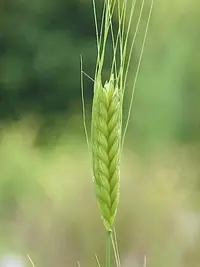
Dense silkybent (Apera interrupta) is a fine-textured annual grass, most often seen in fields, disturbed soils, and light, sandy ground. It forms upright, delicate tufts with slender stems and airy, silky flower heads. In natural habitats it appears across parts of Europe, western Asia, and has naturalized in some temperate regions, including areas of North America. The plant tends to thrive in full sun and relatively dry, low-fertility soils, which helps explain its success in open, disturbed sites. For anyone looking to care for dense silkybent, the main considerations are its preference for light, well-drained soils and its tendency to self-seed where conditions suit it.

Main Plant Requirements

Care Difficulty

Easy Care

Light Preference

Full Sun

Water Requirements

Moderate Water

Temperature Preference

Cool Climate

Hardiness Zone

5–9

Soil Texture

Sandy, Loamy, Silty

Soil pH

Slightly acidic (6.5–7.0), Neutral (7.0)

Soil Drainage

Well-drained

Fertilization

Minimal (feed rarely)

Get Personalized Care Plan

Scan your plant to receive care tips personalized for your specific plant

Available on iOS and Android

How to Care for the dense silkybent

Apera interrupta grows best in open, bright sites with consistent sun exposure.

  • Provide 6–8 hours of direct sun daily; full sun is preferred in cool to mild climates, while light afternoon shade helps in hotter regions.
  • Plant in an open field or border where taller vegetation does not cast dense shade, as prolonged shade reduces tillering and seed production in dense silkybent.
  • Monitor foliage for stress: pale, weak stems indicate too little light, while scorched leaf tips suggest intense, reflected afternoon sun that may need partial shielding.

This grass prefers evenly moist but not saturated soil, adjusting well to moderate natural rainfall.

  • Allow the top 2–4 cm of soil to dry between waterings; soil should feel slightly dry at the surface but still faintly moist just below.
  • Increase watering during hot, dry spells if leaves start to curl or lose vigor, and reduce input in cool, rainy periods to prevent waterlogging.
  • Ensure free-draining soil or a gentle slope, watching for yellowing, soft bases as a sign of overwatering and crisp, browning tips as a sign of drought stress in Apera interrupta.

This species is adapted to temperate climates and tolerates a moderate range of outdoor temperatures.

  • Aim for active growth in 60–75°F (16–24°C); seedlings establish best within this range, especially in spring and early summer.
  • Mature plants tolerate down to about 25°F (−4°C) with some leaf damage, but repeated hard freezes below 20°F (−7°C) can kill crowns.
  • In hot spells above 90°F (32°C), growth slows; combine full sun with soil that does not dry out completely to limit heat stress and leaf scorching.

This grass tolerates a wide humidity range and rarely needs special humidity management.

  • Target 30–60% humidity, similar to typical indoor air, without needing additional moisture support for dense silkybent.
  • Dry air rarely harms the plant, but prolonged very low humidity combined with heat can speed leaf tip browning.
  • If air is extremely dry, grouping pots together or placing a shallow water tray nearby can slightly buffer rapid drying.

Apera interrupta prefers light, well‑aerated mineral soils that drain freely yet do not dry out instantly.

  • Use a sandy or sandy‑loam mix with moderate organic matter to keep the root zone open and oxygenated.
  • Combine roughly 60–70% mineral topsoil or sand with 30–40% compost to balance drainage and moisture retention.
  • Aim for slightly acidic to neutral pH, around 6.0–7.0, which supports healthy nutrient uptake and root growth.
  • Avoid compacted clay, waterlogged sites, or heavy peat mixes that stay soggy and limit air spaces around the roots.

This species can be grown in containers if moisture and stability are carefully managed.

  • Choose a wide, shallow to medium‑depth pot to accommodate fibrous roots and prevent the plant from toppling in wind.
  • Select a heavier material such as terracotta or ceramic to add stability and slightly moderate rapid moisture loss.
  • Elevate the pot on feet or spacers so drainage holes stay clear and excess water escapes quickly after rainfall or watering.

This fine-textured grass is adapted to low-nutrient soils, so Apera interrupta needs only light feeding in cultivation.

  • Use a balanced, dilute liquid fertilizer (for example 10-10-10 at 1/4–1/2 strength) for container-grown clumps.
  • Feed every 4–6 weeks during the main growing season if growth appears weak or foliage pale.
  • Avoid fertilizing in late fall or winter when growth is slow or dormant.
  • Skip feeding established plants in fertile ground; excess nutrients can cause floppy growth.

Pruning Apera interrupta is minimal and mainly aimed at keeping the clump tidy and supporting healthy new growth.

  • Best time is late winter or very early spring before fresh shoots elongate.
  • Shear back old, weathered foliage and seed stems, leaving 5–10 cm above the crown.
  • Remove any dead, broken, or crowded stems with clean hand shears to improve air flow.
  • Avoid cutting into green growing points to prevent weak regrowth and bare patches.

This grass is most often grown in the ground, so care focuses on transplanting rather than frequent repotting.

  • Transplant in early spring or early fall when temperatures are mild and soil moisture is steady.
  • Move clumps only when growth slows, plants thin out, or roots densely fill a small container.
  • Lift with a spade, keeping a firm root ball, and replant at the same soil depth in well-drained ground.
  • Water thoroughly after transplanting, then keep soil slightly moist for 1–2 weeks to limit root stress.

Propagation of Apera interrupta is straightforward and usually done from seed in managed settings.

  • Sow fresh seeds in spring after frost, in trays or a prepared bed with fine, well-drained soil.
  • Press seeds lightly onto the surface; they need light for good germination.
  • Keep the medium evenly moist, not waterlogged, at 60–70°F until seedlings appear.
  • Thin or transplant seedlings once they have 2–3 true leaves, spacing to avoid overcrowding.

This cool-season annual grass generally needs no special winter care in climates where it completes its life cycle before hard freezes.

  • In cold regions, allow plants to self-seed before frost, then leave spent foliage as light soil cover.
  • For container-grown clumps, move pots to a sheltered, unheated spot to avoid repeated freeze–thaw heaving.
  • In mild climates, a thin mulch layer can stabilize soil moisture around the root zone.

Care Tips

Staggered Reseeding

Sow small patches every 2–3 weeks during the suitable season so that sparse or winter-damaged clumps are quickly replaced and the stand remains visually even and dense.

Minimal Disturbance Weeding

Hand-weed by gently lifting unwanted seedlings from the base rather than hoeing, which helps protect the shallow root system and reduces gaps where aggressive weeds can establish.

Use As Nurse Grass

Combine seeds with slower-establishing meadow species at low rate, using this species as a temporary nurse grass that stabilizes soil and suppresses early weeds, then thins naturally over time.

Seed Head Management

Cut and remove seed heads just as they begin to shed if self-seeding is not desired, or conversely shake mature heads over target areas to direct natural reseeding where you want new plants.

Wind Exposure Planning

Site plantings where light wind can move the stems freely but is buffered by hedges, fences, or taller grasses, which reduces lodging and creates a more stable, upright display when growing dense silkybent.

Common Pests and Diseases

Leaf rust

This disease causes small yellow to orange-brown pustules on leaves and leaf sheaths, which can coalesce and reduce vigor. Symptoms include premature leaf drying and reduced seed production in dense silkybent stands.

Solution

Remove and destroy heavily infected plant material to reduce spore load, avoid overhead irrigation that keeps foliage wet, and increase spacing or mowing frequency to improve air movement. In larger plantings or seed production fields, use resistant grass mixes where possible and rotate away from previous rust-infected grass areas for at least 1–2 seasons.

Powdery mildew

This disease produces white to gray, powdery fungal growth on leaf surfaces, especially in shaded or crowded stands. Symptoms include reduced growth and leaf yellowing when infections are heavy.

Solution

Improve light and airflow by thinning nearby vegetation and avoiding excessive nitrogen, which encourages lush, susceptible growth. Remove and dispose of heavily affected foliage and keep irrigation to early morning so leaves dry quickly; in persistent cases, a targeted fungicide labeled for cool-season grasses may be used according to label directions.

Aphids

These insects feed on sap from stems and young leaves, leading to curling, yellowing, and stunted growth. This pest also excretes honeydew, which can promote black sooty mold on foliage.

Solution

Spray plants with a firm stream of water to dislodge aphids from stems and seed heads, and encourage natural predators such as lady beetles by minimizing broad-spectrum insecticides nearby. For heavier infestations, use insecticidal soap or a light horticultural oil, making sure to coat the insects directly and repeat as needed according to product directions.

Grass leaf spot

This disease causes elongated tan to brown lesions with darker borders on leaves, which may merge and cause extensive blighting under warm, humid conditions. Symptoms include thinning patches where foliage dies back from severe spotting.

Solution

Reduce leaf wetness duration by irrigating in the morning and avoiding frequent light watering, and collect or finely mulch clippings to break up infected debris. In managed turf-like stands, moderate nitrogen fertilization and occasional overseeding with more tolerant grass species can limit damage; in high-value settings, a labeled foliar fungicide can be rotated to prevent resistance.

Interesting Facts

Annual grass strategy

Apera interrupta is a true annual grass that completes its entire life cycle in a single growing season, relying on a large seed output rather than long-lived roots or rhizomes to persist in the landscape.

Preference for dry soils

This species is especially associated with dry, sandy, or gravelly soils and light-disturbed habitats such as arable fields, road verges, and railway banks, where competition from more vigorous perennial grasses is reduced.

Introduced and naturalized

Although native to parts of Europe and western Asia, Apera interrupta has been introduced and naturalized in North America and other regions, where it can behave as a minor weed in cereal crops and disturbed ground.

FAQs about dense silkybent

This grass self-seeds readily and can spread in open, disturbed ground, but it is generally not among the most problematic invasive species. Check local weed or noxious grass lists, since regulations differ between regions and habitats.

Grow Healthy Plants with Botan Care

Keep your plants happy and healthy with plant identification, disease detection, and easy care guidance.

Botan plant care app — identify plants on mobile

Explore More Plants