Yarrow Care (Achillea millefolium)

Also known as: Milfoil, Yarrow, thousand-seal, yarrow, milfoil, plumajillo, herba militaris, gordaldo, nosebleed plant, old man's pepper, devil's nettle, sanguinary, soldier's woundwort, thousand-leaf, bloodwort, knight's milfoil, staunchweed, bad man's plaything, devil's plaything, field hop, arrowroot, carpenter's weed, death flower, eerie, hundred leaved grass, knyghten, old man's mustard, seven-year's love, snake's grass, soldier, western yarrow, dog daisy, dog fennel, white yarrow
Yarrow

About Yarrow

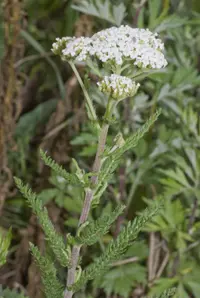
Yarrow (Achillea millefolium) is a hardy, herbaceous perennial often grown in garden beds, borders, and naturalistic plantings. It forms clumps of feathery, fern-like foliage with flat-topped clusters of small flowers.

Wild populations occur across temperate regions of North America, Europe, and Asia, where it thrives in meadows, grasslands, and open, sunny sites. Garden varieties come in many colors, including white, yellow, pink, and red.

This plant is valued for its toughness, drought tolerance, and ability to handle poorer soils, which makes it relatively easy to establish and maintain. A basic understanding of how to care for Yarrow helps keep plants compact, floriferous, and long-lived.

Main Plant Requirements

Care Difficulty

Easy Care

Light Preference

Full Sun

Water Requirements

Low Water

Temperature Preference

Cold Hardy

Hardiness Zone

3–9

Soil Texture

Sandy, Loamy, Rocky

Soil pH

Slightly acidic (6.5–7.0), Slightly alkaline (7.0–7.5)

Soil Drainage

Well-drained

Fertilization

Minimal (feed rarely)

Get Personalized Care Plan

Scan your plant to receive care tips personalized for your specific plant

Available on iOS and Android

How to Care for the Yarrow

Achillea millefolium thrives in strong sun and develops best flowering in open, exposed sites.

  • Provide 6–8 hours of direct sun daily; full sun all day promotes dense growth and abundant blooms in Yarrow.
  • Accepts light partial shade, especially with 3–4 hours of morning sun, but stems may stretch and flowering can reduce in heavier shade.
  • In very hot climates, protect from intense late-afternoon sun with light shade; insufficient sun leads to weak, floppy growth and sparse flower clusters.

Achillea millefolium prefers dry to moderately moist conditions and is highly drought tolerant once established.

  • Water only when the top 3–5 cm of soil are completely dry; deep, infrequent watering encourages strong, deep roots in garden beds.
  • Use sharply drained soil or a site that does not stay puddled after rain; standing water or heavy clay greatly increases root rot risk.
  • Reduce watering in cool seasons and after flowering; yellowing, limp foliage can indicate overwatering, while crisp, browning leaf tips signal prolonged dryness in very poor soils.

This species is a hardy perennial adapted to a wide climate range, tolerating both summer heat and winter cold.

  • Optimal growth occurs around 65–80°F (18–27°C), with steady flowering in warm, bright conditions during late spring and summer.
  • Mature plants tolerate winter lows to about -20°F (-29°C) in the ground, dying back above soil level and resprouting from the crown in spring.
  • Handles dry heat up to about 90–95°F (32–35°C) if soil is not waterlogged; in extreme heat waves, slight afternoon shade and avoiding heat‑of‑day watering reduce stress.

This species prefers dry to moderately dry air and usually does not need humidity adjustment.

Achillea millefolium prefers lean, well‑drained mineral soil that does not stay wet after rainfall or watering.

  • Use sandy or gritty loam with low to moderate organic matter to prevent overly rich conditions that reduce flowering.
  • Aim for slightly acidic to slightly alkaline pH around 6.0–7.5, which this species tolerates well.
  • Improve drainage and aeration by blending coarse sand or fine gravel with a basic container or garden soil mix.
  • Avoid heavy clay, compacted sites, or peat-heavy mixes that hold water and encourage root rot.

This species grows reliably in containers when provided with sharp drainage and a stable, open root zone.

  • Choose a wide, relatively shallow pot to accommodate its spreading rhizomes without encouraging excessive, floppy top growth.
  • Select a heavier material such as ceramic or clay so the container does not tip as the clump enlarges and flowers.
  • Elevate the pot on feet or bricks so drainage holes stay clear and runoff water moves away quickly, which supports healthy, drought-tolerant Yarrow.

Achillea millefolium prefers lean soil and only modest feeding to avoid overly lush, floppy growth.

  • Apply a light dressing of compost or a low-dose balanced NPK (such as 5-5-5) once in early spring.
  • In poor soils, use a diluted balanced liquid fertilizer at 1/2 strength every 6–8 weeks during the growing season.
  • Avoid high-nitrogen products, which reduce flowering and increase weak, leafy growth.
  • Stop feeding in late summer so plants harden off naturally before winter dormancy.

Pruning supports compact growth and sustained flowering in Achillea millefolium.

  • Deadhead spent flower clusters through summer to extend blooming and keep plants tidy.
  • In late fall or very early spring, cut stems back to 5–8 cm above ground level.
  • Remove dead, damaged, or crowded stems with clean, sharp hand pruners to improve airflow.
  • Thin out weak or sprawling growth to maintain a dense, upright clump and reduce flopping.

Yarrow is usually grown in the ground and benefits more from periodic transplanting or division than from frequent repotting.

  • Transplant or divide clumps every 3–4 years in early spring or early fall to prevent overcrowding.
  • Look for signs such as weak central growth, bare patches, or roots circling a container as cues to move or divide plants.
  • Lift clumps carefully, shake off excess soil, and divide with a sharp knife or spade, keeping several shoots and roots per section.
  • Replant divisions at the same depth, water thoroughly, and keep soil lightly moist for 1–2 weeks to reduce transplant shock.

Achillea millefolium is commonly propagated by division, cuttings, or seeds.

  • Divide mature clumps in early spring or early fall, separating vigorous outer sections and replanting promptly.
  • Take 7–10 cm softwood or semi-ripe cuttings in late spring, using a free-draining mix and high humidity for rooting.
  • Sow seeds on the surface of moist, well-drained seed mix in spring; provide light and 65–75°F for germination.
  • Label named cultivars and propagate them by division or cuttings to maintain identical traits.

Achillea millefolium is generally cold hardy and needs minimal winter care in most temperate climates.

  • After frost, allow stems to die back naturally, then cut to ground level in late fall or early spring.
  • Apply a light 2–5 cm mulch in colder zones to moderate soil temperature and protect the crown.
  • In containers, move pots to a sheltered, unheated area to reduce freeze–thaw stress on roots.

Care Tips

Shear After Bloom

Shear back spent flower stalks by about one-third right after the first big flush to trigger a compact second bloom cycle and prevent the clumps from becoming floppy and woody at the center.

Control Underground Spread

Every 2–3 years, slice around overly vigorous patches with a spade and lift, divide, or remove outer sections of rhizomes to keep plants within bounds and maintain strong flowering in the remaining clumps.

Support In Windy Sites

In exposed locations, place low, discrete ring supports or short shrub grids around young plants in spring so stems grow up through them and stay upright under wind or heavy rain.

Staggered Planting Layout

Plant in drifts with slightly staggered spacing and mix a few sturdier perennials or ornamental grasses among the clumps to give physical support and create better air flow that reduces foliar disease.

Winter Clean-Up Timing

In cold climates, leave dry flower stalks standing through winter for crown protection and beneficial insects, then cut them back to just above new basal growth in late winter or very early spring as part of caring for Yarrow.

Common Pests and Diseases

Aphids

These insects cluster on young stems and flower stalks, sucking sap and causing distortion, sticky honeydew, and reduced vigor.

Solution

Spray plants with a firm jet of water to dislodge colonies, then treat remaining insects with insecticidal soap or a neem oil spray, repeating weekly until populations drop. Encourage natural predators like lady beetles and avoid high-nitrogen fertilization, which promotes soft, aphid-prone growth when caring for Yarrow.

Spittlebugs

These insects produce frothy white masses on stems and leaf axils, which protect the nymphs as they feed on plant sap and weaken new growth.

Solution

Physically remove the foam masses by hand or wash them off with a strong stream of water, focusing on stem joints. In dense plantings, thin overcrowded clumps slightly to improve airflow and make monitoring and removal easier.

Powdery mildew

This disease causes white, powdery fungal growth on leaves and stems, sometimes leading to yellowing and premature leaf drop in humid or crowded conditions.

Solution

Remove and discard heavily affected leaves, then increase spacing and airflow around plants by thinning or dividing crowded clumps. Water at soil level in the morning, keep foliage as dry as possible, and if needed use a labeled fungicidal spray according to directions during extended humid periods.

Botrytis blight

This disease produces gray, fuzzy mold on spent flower heads and sometimes on stems and foliage, especially in cool, damp weather with poor air circulation.

Solution

Deadhead faded blooms promptly and remove any soft, moldy tissue, disposing of it in the trash rather than compost. Improve drainage, reduce overhead watering, and increase spacing or staking so that foliage dries quickly, using a fungicide only if cultural changes do not control the problem.

Leaf spot

Symptoms include brown or dark purple spots on leaves that can merge into larger blotches, leading to partial defoliation during wet seasons.

Solution

Prune and discard affected leaves to reduce fungal spores, and avoid wetting the foliage by watering at the base of the plant. Provide good spacing, improve air circulation, and apply a targeted fungicide if spotting progresses despite cultural adjustments.

Interesting Facts

Highly variable morphology

Common yarrow shows strong variation in leaf shape, height, and flower color across its range, reflecting both genetic diversity and adaptation to local environments from dry grasslands to coastal habitats.

Feathery, aromatic foliage

The leaves are finely divided into many small segments, giving a fern-like appearance and increasing surface area, and they contain aromatic compounds that produce a distinct scent when crushed.

Clonal colony formation

This species spreads not only by seed but also through creeping rhizomes, allowing a single plant to form dense, genetically related patches that can persist for many years.

Botan icon

Did you know?

The species name millefolium means thousand-leaved in Latin, referring to the extremely finely divided leaf structure that has been recognized and described since classical antiquity.

FAQs about Yarrow

Lack of blooms often comes from too much shade, excess fertilizer, or old, woody clumps. Ensure at least 6 hours of sun, avoid high-nitrogen feeding, and divide congested plants every 3–4 years to restore flowering.

Grow Healthy Plants with Botan Care

Keep your plants happy and healthy with plant identification, disease detection, and easy care guidance.

Botan plant care app — identify plants on mobile

Explore More Plants