Encourage Bushy Growth
Pinch back soft shoot tips in late spring to promote branching, which produces a denser mound and more flowering stems rather than a few tall, floppy ones.

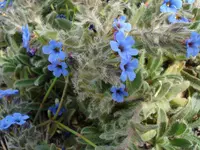
Alkanna tinctoria, often called dyer’s alkanet, is a small perennial herb known for its deep red dye extracted from the roots. It forms low clumps of hairy, gray-green leaves and short stems topped with small blue to violet flowers.
This species is native to the Mediterranean region, where it naturally grows in dry, sunny, rocky habitats. Its drought tolerance and preference for poor, well-drained soils make it relatively undemanding once established.
Understanding how to care for alkanna starts with providing strong light, minimal watering, and gritty soil that does not stay wet for long periods.

Care Difficulty
Easy Care

Light Preference
Full Sun

Water Requirements
Low Water

Temperature Preference
Cool Climate

Hardiness Zone
5–8

Soil Texture
Sandy, Loamy, Rocky

Soil pH
Slightly acidic (6.5–7.0), Neutral (7.0)

Soil Drainage
Well-drained

Fertilization
Minimal (feed rarely)
Scan your plant to receive care tips personalized for your specific plant
Available on iOS and Android
This sun-loving Mediterranean herb performs best in bright, open conditions.
This drought-tolerant perennial prefers infrequent, deep watering in sharply drained soil.
This Mediterranean species prefers warm, dry conditions and tolerates moderate cold once established.
This drought-adapted perennial does not have special humidity requirements and thrives in dry air.
Alkanna tinctoria prefers lean, fast-draining, mineral soils that mimic dry, rocky habitats.
This species can be grown in containers if the pot is set up to stay dry and well-aerated.
This drought-tolerant dye plant needs only light feeding in most garden soils.
Pruning Alkanna tinctoria is simple and mainly focused on keeping the plant compact and healthy.
This species is better suited to open ground than long-term container culture, so focus on careful transplanting.
Alkanna tinctoria is most often propagated from seed, with division only for younger, non-woody clumps.
This hardy perennial usually manages typical temperate winters with only light attention once established.

Plant Health Check
Not sure what's wrong with your plant? Check your plant's health inside the app.
The roots produce a stable red pigment called alkanin, historically used across the Mediterranean for coloring textiles, oils, and cosmetics.
Alkanin in the root changes color with pH, appearing red in acidic or neutral media and shifting toward blue-violet in alkaline conditions, which made it useful as a simple acid–base indicator.
This species naturally occurs on dry, rocky, calcareous soils in Mediterranean climates, with a deep root system and narrow leaves that help it tolerate drought and intense sun.

In traditional European dyeing practices, powdered roots of this plant were mixed into oils, waxes, and varnishes not only to color them, but also as a visual marker to distinguish valuable preparations such as high-quality olive oil from cheaper or adulterated products.
This species is a perennial, forming a woody-based clump that returns each year from its root system. Individual stems may die back, especially after cold or flowering, but the crown generally persists for several seasons under suitable conditions.
Keep your plants happy and healthy with plant identification, disease detection, and easy care guidance.