Rose Care (Rosa 'Joseph's Coat')

Rose

About Rose

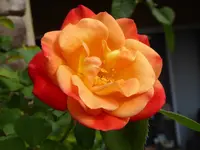
Rosa 'Joseph's Coat' is a climbing rose cultivar known for its multicolored blooms that shift from yellow to orange and red as the flowers age. It forms long, flexible canes that can be trained on trellises, fences, or walls for vertical color.

This rose was bred for garden use rather than occurring in the wild, but it performs well in many temperate regions. It is moderately vigorous and can be somewhat prone to common rose diseases, so site choice and basic maintenance affect how easy it is to manage.

It generally prefers full sun, evenly moist but well-drained soil, and good air circulation, which makes it simpler to care for Rose in most home gardens.

Main Plant Requirements

Care Difficulty

Moderate Care

Light Preference

Full Sun

Water Requirements

Regular Water

Temperature Preference

Cold Hardy

Hardiness Zone

5–9

Soil Texture

Loamy, Sandy, Clay

Soil pH

Acidic (5.5–6.5), Slightly acidic (6.5–7.0)

Soil Drainage

Moist but well-drained

Fertilization

Moderate (every 2–4 weeks)

Get Personalized Care Plan

Scan your plant to receive care tips personalized for your specific plant

Available on iOS and Android

How to Care for the Rose

This climbing rose needs strong sun to flower and color well.

  • Provide 6–8 hours of direct sun daily, with at least 4 hours of gentle morning sun for best blooming and leaf color.
  • Tolerates light afternoon shade, which helps prevent leaf scorch and fading in hot summer regions, especially in USDA zones 8–10.
  • Avoid deep shade; stems will stretch, blooms decrease, and foliage may stay damp longer, increasing black spot and mildew risk, especially in cool, wet seasons.

This rose prefers deep, infrequent watering that keeps roots moist but not saturated.

  • Water when the top 3–5 cm of soil feels dry, soaking the root zone to 20–30 cm rather than giving light surface splashes.
  • Adjust with seasons: in cool or rainy weather reduce watering; in hot, dry spells increase frequency but always check soil before adding water.
  • Ensure soil drains well; persistent soggy soil, yellowing lower leaves, and soft stems suggest overwatering, while crisp leaves and drooping buds indicate underwatering in Rosa 'Joseph's Coat'.

This cultivar grows best in mild to warm conditions and handles a typical outdoor rose climate.

  • Active growth and flowering are strongest around 65–80°F (18–27°C), with steady warmth and good air movement around the foliage.
  • Dormant plants tolerate winter lows near 10–15°F (-12 to -9°C) in the ground, but hard freezes below this may damage canes and require protective mulching.
  • In summer heat above 90°F (32°C), provide mulch and consistent moisture; extreme heat can slow flowering and fade blooms, especially in exposed west-facing sites.

This climbing rose grows well in typical outdoor humidity and does not need special moisture in the air.

  • Ideal humidity is around 40–60% in well-ventilated outdoor conditions.
  • Tolerates drier air if soil moisture is consistent and roots are not stressed.
  • Humidity stress shows as crisp leaf edges and faster drying of buds, but focusing on even soil moisture is more effective than artificial humidity boosts.

Rosa 'Joseph's Coat' performs best in deep, well-drained, fertile ground with plenty of organic matter.

  • Use a loamy soil with a crumbly structure that holds moisture but drains freely, avoiding heavy, compacted clay.
  • Aim for slightly acidic to neutral pH around 6.0–7.0 to support nutrient uptake and healthy root growth.
  • Incorporate 25–40% well-rotted compost plus coarse sand or fine grit to improve organic content, aeration, and drainage.
  • Avoid waterlogged sites, construction fill, or very shallow soil over hardpan, which restrict roots and encourages root diseases.

This rose can be grown in containers if the pot is large and stable enough to support its vigorous, climbing habit.

  • Choose a deep, heavy container (at least 40–50 cm wide) to prevent tipping as canes lengthen and catch wind.
  • Select thick-walled terracotta or similar porous material to moderate soil moisture and temperature swings at the root zone.
  • Position the container where a sturdy trellis or railing can be firmly anchored to support vertical canes without loosening the pot.

Rosa 'Joseph's Coat' responds well to moderate feeding that supports repeat flowering without forcing soft, weak growth.

  • Use a balanced rose fertilizer or slow-release granular feed (around 10-10-10) or well-aged compost as the main nutrient source.
  • Apply fertilizer every 4–6 weeks during active growth in spring and early summer, then stop feeding by late summer to allow hardening.
  • Water thoroughly before and after feeding, using liquid products at 1/2–3/4 label strength to avoid root burn and salt buildup.
  • Avoid fertilizing during winter dormancy; only resume once new shoots reach 5–10 cm in spring.

Rosa 'Joseph's Coat' benefits from thoughtful pruning that maintains a strong framework and continuous flowering on climbing canes.

  • Carry out main pruning in late winter to very early spring, before strong new growth begins.
  • Remove all dead, diseased, or crossing stems first, cutting back to healthy wood with clean, sharp bypass pruners.
  • Thin crowded interior shoots to improve air circulation and reduce fungal disease risk.
  • Shorten lateral flowering shoots by about 1/3–1/2 to control size and encourage strong, flower-bearing growth.

This climbing rose is usually grown in the ground, so management focuses on transplanting or occasionally shifting large containers.

  • Transplant in early spring or fall when temperatures are mild, avoiding hot, dry periods that stress roots.
  • Look for signs such as roots circling a pot, slow vigor, or quick drying soil to judge when a container plant needs a larger home.
  • Prepare a hole 2–3 times wider than the root ball with well-drained, organic-rich soil, setting the graft union just above soil level in mild climates.
  • Water deeply after planting, mulch 5–7 cm around the base, and keep soil evenly moist for several weeks to reduce transplant shock.

New plants of Rosa 'Joseph's Coat' are most often produced from cuttings rather than seeds to maintain the exact cultivar traits.

  • Take semi-ripe or hardwood stem cuttings in late summer to late winter, choosing healthy, non-flowering shoots.
  • Cut sections 10–15 cm long, remove lower leaves, and dip the base in rooting hormone to improve root formation.
  • Insert cuttings into a free-draining mix of 50% perlite and 50% peat or fine bark, keeping it just moist, not wet.
  • Provide bright, indirect light and stable temperatures around 65–75°F until rooted, then gradually acclimate to stronger sun before planting out.

This rose is generally cold hardy but benefits from simple winter care, especially in colder regions or exposed sites.

  • Tolerates moderate frost but may suffer cane dieback below about 0°F, particularly in windy locations.
  • Apply 5–10 cm of organic mulch around the root zone in late fall, keeping it slightly away from the main stems.
  • In very cold areas, mound soil or compost 10–15 cm high around the base and secure long canes to supports to limit wind damage.
  • Move container-grown plants to a sheltered, unheated but frost-free or slightly protected spot, and water sparingly to keep roots from drying out.

Care Tips

Fan training setup

Install sturdy horizontal wires or a trellis at 20–30 cm intervals and tie new canes out in a fan shape while still flexible to maximize flowering along the full length of each stem.

Selective cane renewal

Each late winter, remove 1–3 of the oldest, thickest canes at the base to encourage strong new replacement shoots that keep the plant flowering heavily and structurally balanced over time.

Targeted deadheading

After each main flush, cut spent flower clusters back to a strong 5-leaflet leaf facing outward to prompt a faster repeat bloom and maintain an open, ventilated framework.

Preventing black spot

Water only at the base early in the day, remove any spotted leaves promptly, and dispose of fallen foliage to reduce the black spot spore load that can quickly defoliate this variety in humid conditions.

Systematic pest scouting

Once a week during active growth, inspect shoot tips and leaf undersides for aphids, thrips, and spider mites, and treat early with a directed hose spray or labeled insecticidal soap as part of systematic caring for Rose in mixed borders.

Common Pests and Diseases

Black spot

This disease causes round black spots with fringed or yellow halos on leaves, which then yellow and drop prematurely, especially in humid or rainy conditions.

Solution

Remove and discard affected leaves and fallen debris, avoid overhead watering, and ensure good air circulation around the shrub; apply a preventive or curative rose-labeled fungicide on a regular schedule during the growing season if black spot tends to recur.

Powdery mildew

This disease produces white, powdery patches on young leaves, buds, and stems, often causing distortion and reduced flowering during warm days and cool nights.

Solution

Prune to open up the plant for better airflow, avoid wetting foliage late in the day, and use a sulfur or potassium bicarbonate-based fungicide labeled for roses at the first sign of symptoms, repeating as directed when conditions stay favorable for mildew.

Rust

This disease shows as orange to rust-colored pustules on the undersides of leaves, leading to yellowing and early leaf drop, particularly in cool, moist conditions.

Solution

Promptly remove and discard infected leaves, keep the base of the plant free of debris, water at soil level, and use a rose-labeled fungicide that targets rust when symptoms first appear, continuing at intervals while weather remains cool and damp.

Aphids

These insects cluster on tender shoots and buds, sucking sap and causing curling leaves, sticky honeydew, and sometimes distorted or reduced blooms.

Solution

Spray affected shoots with a strong stream of water to dislodge aphids, then use insecticidal soap or a horticultural oil labeled for roses, repeating as needed while monitoring for natural predators such as lady beetles and lacewings.

Rose sawfly (rose slug)

This pest's larvae skeletonize leaves, leaving a windowpane or lacy appearance, which can significantly reduce foliage on vigorous climbers like Rosa 'Joseph's Coat'.

Solution

Inspect leaves regularly in spring, handpick or wash off larvae where practical, and treat with a horticultural oil or spinosad product labeled for sawflies, focusing sprays on the undersides of leaves and repeating according to label directions if feeding continues.

Interesting Facts

Color-shifting blooms

Individual flowers open yellow, then shift through orange to deep rose-red as they age, so a single spray often shows multiple colors at once. This gradient effect comes from changing pigment concentrations in the petals over several days.

Climbing shrub habit

This cultivar is technically a vigorous shrub rose that can be trained as a climber on trellises, fences, or arches. Its long, flexible canes allow it to cover vertical structures more readily than many other multicolored roses.

Award-winning introduction

Introduced in the 1960s by American breeder Patrick Dickson, it quickly became popular for its unusual color range. It has remained in cultivation for decades due to its reliability and ornamental impact in temperate gardens.

Botan icon

Did you know?

The cultivar name Joseph's Coat refers to the biblical story in which Joseph wears a coat of many colors, directly alluding to the plant's distinctive multicolored flower clusters that can display yellow, orange, pink, and red on the same plant at one time.

FAQs about Rose

This cultivar is a vigorous climber with long, flexible canes that can be trained vertically on trellises, fences, or arches. With support, it can form tall, fan-shaped walls of foliage and flowers rather than ground-hugging spread.

Grow Healthy Plants with Botan Care

Keep your plants happy and healthy with plant identification, disease detection, and easy care guidance.

Botan plant care app — identify plants on mobile

Explore More Plants