Promote deep rooting
During the first growing season, water less often but for slightly longer periods to encourage deep roots that improve drought tolerance and slope stabilization when growing coastal sagebrush.

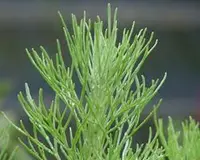
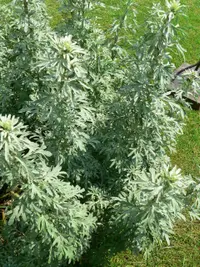
Coastal sagebrush (Artemisia californica) is a woody, evergreen shrub native to dry coastal slopes and bluffs of California and northern Baja California. It forms a loose, rounded mound with many fine, aromatic gray-green leaves.
This shrub is adapted to low rainfall, poor soils, and ocean influence, making it a key species in coastal sage scrub plant communities. Once established, it is drought tolerant and generally low maintenance.
Artemisia californica prefers full sun, fast-draining soil, and infrequent watering, which guides how to care for coastal sagebrush in gardens and restoration plantings.

Care Difficulty
Easy Care

Light Preference
Full Sun

Water Requirements
Low Water

Temperature Preference
Warm Climate

Hardiness Zone
7–10

Soil Texture
Sandy, Loamy, Rocky

Soil pH
Slightly acidic (6.5–7.0), Slightly alkaline (7.0–7.5)

Soil Drainage
Well-drained

Fertilization
Minimal (feed rarely)
Scan your plant to receive care tips personalized for your specific plant
Available on iOS and Android
This drought-adapted shrub thrives in strong light and open exposures.
This species is highly drought tolerant and prefers infrequent, deep watering once established.
This shrub is adapted to mild, dry climates with warm summers and cool, not severe, winters.
Artemisia californica tolerates very dry air and humidity rarely limits performance in typical outdoor conditions.
Artemisia californica needs lean, very well-drained soil that mimics its native coastal scrub habitat.
This species can grow in containers outdoors if drainage is rapid and the root zone stays relatively dry.
Artemisia californica is adapted to lean, dry soils and usually needs no fertilizer once established.
Pruning helps Artemisia californica maintain a compact, airy shape and prolongs vigor.
This coastal sagebrush is more often transplanted in the landscape than repotted long term in containers.
Artemisia californica is commonly propagated from semi-woody cuttings or seed for restoration and home gardens.
Artemisia californica is cold hardy in mild-winter regions and generally needs minimal winter care.

Plant Health Check
Not sure what's wrong with your plant? Check your plant's health inside the app.
This shrub is a defining dominant of the coastal sage scrub plant community in California, shaping habitat structure and influencing soil conditions for many other native species.
Its fine, threadlike leaves produce volatile aromatic compounds that give off a strong resinous scent and can reduce insect and herbivore damage.
In response to summer drought, this species often sheds a significant portion of its leaves, reducing water loss and allowing it to survive in very dry, low-rainfall coastal environments.

This shrub is widely used in coastal habitat restoration projects because it establishes quickly, stabilizes slopes with its root system, and helps re-create the structure needed by threatened animals like the California gnatcatcher.
Sparse or absent flowering usually comes from excessive watering, rich fertilizer, or too much shade. This drought-adapted shrub blooms best in lean, fast-draining soil, with strong sun and only light pruning immediately after the flowering period.
Keep your plants happy and healthy with plant identification, disease detection, and easy care guidance.