Macartney rose Care (Rosa bracteata)

Macartney rose

About Macartney rose

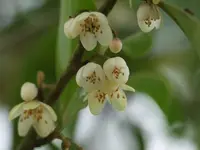
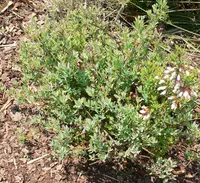
Macartney rose, Rosa bracteata, is a vigorous, thorny shrub rose known for its glossy evergreen foliage and single white flowers with bright yellow centers. It often forms dense thickets and is sometimes used as a barrier hedge in rural landscapes.

This species is native to China and Taiwan but has naturalized in parts of the southern United States, especially in pastures and along roadsides. Its growth can be aggressive in mild climates.

Rosa bracteata is generally tough and tolerant of heat, drought once established, and poor soils, which makes it relatively easy to maintain. Understanding how to care for Macartney rose includes providing full sun and well-drained soil to support flowering and keep the plant healthy.

Main Plant Requirements

Care Difficulty

Easy Care

Light Preference

Full Sun

Water Requirements

Moderate Water

Temperature Preference

Warm Climate

Hardiness Zone

7–10

Soil Texture

Sandy, Loamy, Clay

Soil pH

Slightly acidic (6.5–7.0), Slightly alkaline (7.0–7.5)

Soil Drainage

Well-drained

Fertilization

Minimal (feed rarely)

Get Personalized Care Plan

Scan your plant to receive care tips personalized for your specific plant

Available on iOS and Android

How to Care for the Macartney rose

Rosa bracteata thrives in bright, direct light to support dense growth and abundant flowering.

  • Provide 6–8 hours of direct sun daily, with morning sun and light afternoon shade ideal in hotter regions to reduce leaf scorch and flower fade.
  • Plant Macartney rose in an open, unshaded site; it tolerates light partial shade (3–4 hours sun) but flowering and vigor decline as shade increases.
  • In cooler climates, full sun all day is preferred, while in hot summers use nearby plants or structures to give filtered afternoon sun during heatwaves.

Rosa bracteata prefers deep, infrequent watering that allows the soil surface to dry slightly between soakings.

  • Water when the top 3–5 cm of soil feels dry, applying a slow, deep soak so moisture reaches the full root zone and not just the surface.
  • Use well-drained soil; puddling around the roots, yellowing lower leaves, and soft stems indicate overwatering or poor drainage problems.
  • In spring and summer, you may need to water more often during hot, dry spells, while in fall and winter allow longer drying intervals and avoid constantly damp soil.

This species is a heat-tolerant rose that also withstands moderate cold when established.

  • Active growth is strongest around 65–85°F (18–29°C), which supports steady foliage development and flowering.
  • Mature plants can tolerate brief drops near 10–15°F (-12 to -9°C), but young shrubs benefit from protection when temperatures fall below 20°F (-7°C).
  • Rosa bracteata copes well with summer heat up to about 95°F (35°C) if soil moisture is stable; mulch roots and avoid planting against reflective walls in very hot climates.

This rose tolerates a wide humidity range and rarely needs special humidity management outdoors.

  • Performs well in 30–60% humidity, typical of many temperate outdoor climates.
  • Handles dry air and wind with minimal stress when soil moisture is consistent.
  • Humidity stress appears mainly as leaf scorch during heatwaves, so prioritize deep, infrequent watering rather than misting.

Rosa bracteata prefers well-structured, free-draining soil that still holds moderate moisture.

  • Use a loamy or sandy loam base with 20–30% compost to support steady growth without waterlogging.
  • Aim for slightly acidic to neutral pH around 6.0–7.0, avoiding highly acidic or strongly alkaline sites.
  • Improve drainage and aeration by incorporating coarse sand or fine gravel, especially in heavy or compacted ground.
  • Avoid waterlogged areas, unamended clay, or dense peat mixes, which restrict roots and increase disease risk.

This species can be grown in containers if the pot is large, stable, and drains very efficiently.

  • Choose a deep, heavy container (45–60 cm wide) to anchor vigorous, arching canes against wind and accidental tipping.
  • Use a fast-draining mix, such as 60% loam-based potting soil with 20% compost and 20% coarse grit or bark, to prevent soggy roots.
  • Position the container where trailing or climbing stems can be tied to a support, reducing leverage that could destabilize the pot.

This vigorous rose usually grows well in average soil, but light feeding improves flowering and overall vigor.

  • Use a balanced granular or slow-release rose fertilizer (for example, 10-10-10) or a thin layer of well-rotted compost in early spring.
  • Feed Rosa bracteata once in early spring and again in midsummer during active growth, not more often.
  • Apply at 1/2–3/4 the label rate for established shrubs to avoid excessive soft growth and salt buildup.
  • Stop feeding 6–8 weeks before expected frost so new shoots harden before winter dormancy.

Thoughtful pruning keeps Rosa bracteata dense, more manageable, and flowering well.

  • Time main pruning for late winter or very early spring, before strong new growth starts.
  • Remove dead, diseased, or damaged canes first, cutting back to healthy wood with clean, sharp bypass pruners or loppers.
  • Thin out crowded, crossing, or weak stems to improve air flow and reduce fungal disease risk.
  • Shorten overly long shoots after flowering to control spread and maintain a balanced, arching form.

This rose is usually grown in the ground and only occasionally handled in containers or moved.

  • Plan transplanting for late winter to early spring, or in mild climates just after flowering, when heat stress is low.
  • Look for signs such as roots circling the pot, water running straight through, or declining vigor in container-grown plants.
  • Dig a broad root ball, disturb roots as little as possible, and set the shrub at the same soil depth in its new site.
  • Water deeply after transplanting, then keep soil evenly moist but not waterlogged for several weeks to limit transplant shock.

Rosa bracteata is commonly propagated for hedging and erosion control using simple vegetative methods.

  • Take semi-hardwood cuttings in late spring to midsummer, 10–15 cm long, from healthy, non-flowering shoots.
  • Remove lower leaves, dip bases in rooting hormone, and place in a free-draining mix under bright, indirect light and high humidity.
  • Use simple layering in spring by pegging down flexible stems and covering a section with soil until roots form.
  • Seed propagation is possible but slower; provide cold stratification, then sow in a gritty, well-drained seed mix.

This species is fairly cold hardy but benefits from basic winter preparation in colder regions.

  • Rosa bracteata tolerates light to moderate frost once established, but young plants are more vulnerable.
  • Apply 5–8 cm of organic mulch around the root zone in late fall, keeping it slightly away from the stems.
  • In areas with severe freezes, mound extra mulch or soil over the crown and tie long canes loosely to reduce wind damage.
  • Move container plants into a sheltered, unheated garage or porch where temperatures stay above about 20–25°F.

Care Tips

Install sturdy support

Provide a strong fence or heavy-duty trellis and tie in young canes with soft ties at a 45–60° angle to control spread and encourage more flowering laterals while keeping the plant manageable and safer to work around.

Root sucker control

Inspect the base and surrounding soil 2–3 times per year and cut out root suckers cleanly at their point of origin to prevent unwanted thickets and keep the plant confined to its intended area.

Glove and tool strategy

Use thick, rose-rated gauntlet gloves and long-handled loppers, and keep a small tarp or sheet of cardboard nearby so thorny trimmings can be dragged away without catching on clothing or neighboring plants.

Targeted pest scouting

From spring through late summer, check the undersides of leaves and young shoots every 1–2 weeks for aphids, scale, and spider mites, and treat early with a firm water spray or horticultural soap before populations build up.

Barrier and buffer planting

When growing Macartney rose near paths or property lines, set the plant at least 1.5–2 m back and use a mown grass strip or low, non-thorny shrubs in front as a buffer to reduce accidental contact with its dense, armed growth.

Common Pests and Diseases

Rose rosette disease

This disease is caused by a virus-like agent spread by a tiny eriophyid mite and is a serious threat in wild and cultivated populations. Symptoms include witches’-broom growth, excessive thorniness, reddened distorted shoots, and decline or death over time.

Solution

Immediately remove and destroy the entire infected plant, including roots, to reduce spread, and do not replant roses in the same spot for several years. Control nearby multiflora and feral roses, keep plantings spaced for airflow, and monitor surrounding roses so symptomatic plants can be removed early as part of broader Rosa bracteata care instructions.

Cane canker

This disease causes sunken, discolored lesions on canes that may crack, girdle stems, and lead to dieback, especially after stress or winter injury. Symptoms include dead patches on stems and poor new growth above affected areas.

Solution

Prune out infected canes several inches below visible damage using sterilized tools and dispose of cut material away from the planting. Maintain good vigor with balanced fertilization, avoid mechanical damage to canes, and improve airflow by thinning dense, spiny growth so stems dry quickly after rain or overhead irrigation.

Black spot

This disease produces round black spots with fringed edges on leaves, which then yellow and drop, especially in humid, warm conditions. Repeated defoliation stresses the plant and can reduce flowering and vigor even in this otherwise tough species.

Solution

Remove and discard infected leaves from the plant and ground, and water at soil level rather than overhead to keep foliage dry. Improve air circulation by thinning dense growth, and in high-pressure areas use a preventive fungicidal spray labeled for roses during warm, wet periods.

Scale insects

These insects appear as small, immobile bumps on canes and stems, feeding on sap and causing yellowing, reduced vigor, and sticky honeydew that can lead to sooty mold. Infestations may build up in dense, old thickets where predators have limited access.

Solution

Scrub lightly infested canes with a soft brush and soapy water, and prune out heavily infested stems to reduce populations. For persistent problems, apply horticultural oil thoroughly to stems during dormant or cool-season periods, making sure to cover all sides of the canes.

Eriophyid mites (rose rosette vector)

These microscopic mites hide in buds and leaf joints and feed on tender tissue, injecting the agent that causes rose rosette disease. Symptoms include abnormal red, clustered shoots and distorted growth at the tips of canes.

Solution

Prune out suspect shoots as soon as symptoms appear, cutting well below the distorted area and disposing of the material in sealed bags. Avoid using high-pressure water or leaf blowers that can move mites between plants, and maintain physical distance between Rosa bracteata and other rose plantings to reduce mite movement.

Interesting Facts

Armored climbing hedge

This species develops extremely dense, thorn-armored thickets with long arching canes that can climb over 3–4 m, forming almost impenetrable living barriers in favorable climates.

Native range contrast

Although often associated with the American South as an invasive shrub, it is actually native to southern China and Taiwan, where it typically occurs in coastal and lowland habitats.

Bracted flower feature

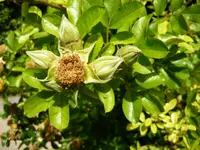
The plant’s name refers to its distinctive leafy bracts positioned just below the white flowers, which are larger and more conspicuous than in many other wild roses.

Botan icon

Did you know?

In parts of the southern United States, dense stands of this species have been documented to alter native grassland and pasture structure so strongly that they are classified as a significant invasive shrub, managed with coordinated mechanical removal and targeted herbicide programs.

FAQs about Macartney rose

This species spreads vigorously through arching canes and suckering roots, forming dense thickets. In many warm regions it is considered invasive, so planting should be carefully planned and local regulations checked before introducing it to the landscape.

Grow Healthy Plants with Botan Care

Keep your plants happy and healthy with plant identification, disease detection, and easy care guidance.

Botan plant care app — identify plants on mobile

Explore More Plants