Striped Alkanet Care (Anchusa strigosa)

Striped Alkanet

About Striped Alkanet

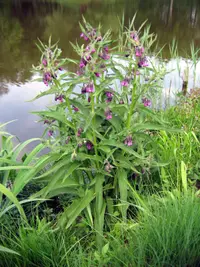
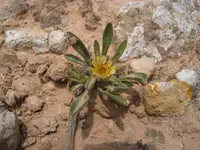
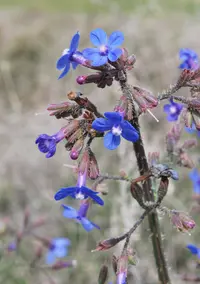
Striped alkanet (Anchusa strigosa) is a perennial herb from the borage family, known for its rough, hairy leaves and vivid blue, star-shaped flowers. It typically forms upright clumps and produces flowering stems that stand clearly above the foliage, creating a strong visual accent in sunny borders or wildflower-style plantings.

This species occurs naturally in the Eastern Mediterranean, often in dry, rocky, or disturbed sites, which reflects its generally tough and drought-tolerant character. It can be somewhat short-lived if soil stays wet for long periods, so good drainage is important. Those who want to care for Striped Alkanet should know it prefers full sun, moderate moisture, and relatively lean, well-drained soil.

Main Plant Requirements

Care Difficulty

Moderate Care

Light Preference

Full Sun

Water Requirements

Moderate Water

Temperature Preference

Warm Climate

Hardiness Zone

8–10

Soil Texture

Sandy, Loamy, Rocky

Soil pH

Slightly acidic (6.5–7.0), Neutral (7.0)

Soil Drainage

Well-drained

Fertilization

Minimal (feed rarely)

Get Personalized Care Plan

Scan your plant to receive care tips personalized for your specific plant

Available on iOS and Android

How to Care for the Striped Alkanet

This sun-loving Mediterranean perennial needs strong light to flower well outdoors.

  • Provide full sun for 6–8 hours daily; morning to early afternoon sun is ideal, with slight afternoon shade in very hot inland sites.
  • Striped Alkanet tolerates light partial shade (3–4 hours sun), but flowering and compact growth decline as shade increases.
  • In cool, bright climates it handles all-day sun, but in summer heat above 90°F (32°C) use neighboring plants or light shade cloth to prevent leaf scorch.

Anchusa strigosa prefers moderately moist, sharply drained soil and does not tolerate standing water.

  • Allow the top 3–5 cm of soil to dry between deep waterings; sandy or gravelly soil is preferred to reduce waterlogging risk.
  • In spring and early summer, check soil every few days; in cooler or rainy periods, wait longer, using soil dryness rather than a fixed schedule.
  • Signs of overwatering include limp stems, yellowing lower leaves, and a sour soil smell; crisp leaves and drooping at midday and morning indicate underwatering.

This species thrives in mild, dry climates and dislikes prolonged cold and extreme humidity.

  • Optimal growth occurs at 60–77°F (16–25°C), especially during active spring growth and flowering.
  • Plants tolerate down to about 20–23°F (-6 to -5°C) once established, but young plants and new growth are more susceptible to frost damage and may need protection.
  • In hot summers above 86–95°F (30–35°C), growth slows; provide mulch to cool roots and avoid reflected heat from walls or paving to limit stress.

Anchusa strigosa tolerates a wide humidity range and usually does not need special humidity management.

Anchusa strigosa prefers lean, well-drained soil that mimics dry, rocky habitats.

  • Use a sandy or gritty loam with low to moderate organic matter to prevent excessive moisture retention.
  • Aim for slightly alkaline to neutral pH around 7.0–8.0, avoiding strongly acidic soils that reduce vigor.
  • Mix coarse sand or fine gravel into garden soil to improve drainage and aeration around the root zone.
  • Avoid heavy clay or compacted substrates that stay wet and encourage root and crown rot.

This species can be grown in containers if the pot is prepared for fast drainage and a deep root system.

  • Choose a tall, relatively narrow container to accommodate the taproot and keep the plant upright in wind.
  • Use a very free-draining mix, such as 50–60% coarse sand or grit blended with lean loam-based compost, to shed excess water quickly.
  • Select a heavier pot material, like clay or ceramic, to stabilize the plant, which can become top-heavy in flower.

Anchusa strigosa benefits from light, balanced feeding but grows acceptably in lean soil.

  • Use a balanced NPK fertilizer or well-rotted compost at the start of spring growth.
  • Feed every 4–6 weeks during the active growing season, then stop in late summer.
  • Apply at half the label strength to avoid lush, weak growth and salt buildup.
  • In winter or dormancy, do not add fertilizer; allow the plant to rest.

Pruning Anchusa strigosa is mainly aimed at maintaining vigor and extending flowering.

  • In late spring and through summer, deadhead spent flower stems to encourage more blooms.
  • Remove dead, damaged, or diseased leaves and stems with clean, sharp shears.
  • Lightly trim back leggy or crowded shoots after flowering to maintain compact shape.
  • Disinfect tools between plants to reduce spread of foliar and stem diseases.

This species is more often transplanted in the garden than grown long term in containers.

  • Transplant young plants in early spring or early fall, when weather is mild and soil moist.
  • Move when roots lightly fill the pot or growth slows, avoiding heavy root circling and binding.
  • Lift with a generous soil ball, disturbing roots as little as possible to reduce transplant shock.
  • Water thoroughly after planting, then keep soil evenly moist until new growth resumes.

Anchusa strigosa is commonly propagated by seed, with some success from division in suitable clumps.

  • Sow fresh seeds in late summer or early spring in a free-draining seed mix, just covering them.
  • Maintain cool to mild temperatures and lightly moist soil for steady germination.
  • Once seedlings have several true leaves, harden them off before planting into the garden.
  • Where clumps form, divide in early spring, replanting divisions promptly and watering well.

In mild to moderately cold climates, Striped Alkanet is fairly hardy and needs only light winter care.

  • Tolerates light frosts but may suffer in prolonged freezes below local norms.
  • Apply a 5–8 cm layer of organic mulch around the root zone in late fall, keeping mulch off crowns.
  • In very cold regions or exposed sites, cover crowns with straw or fleece during severe cold spells.
  • Container plants in colder zones can be moved to a sheltered, unheated but frost-free area.

Care Tips

Basal rosette protection

In late fall, mulch lightly around the basal rosette with 2–3 cm of coarse gravel or grit instead of organic mulch to protect the crown while keeping it dry and well aerated.

Staking tall stems

Install discrete, individual stakes or a low ring support around young flowering stems early in the season so the tall, brittle shoots stay upright and do not snap in strong wind or heavy rain.

Calcareous soil amendment

In neutral or slightly acidic soils, mix a modest amount of crushed limestone or horticultural lime into the top 10–15 cm of soil once every few years to maintain the mildly alkaline conditions this species prefers.

Targeted deadheading technique

When flowers fade, remove the entire spent flowering stem back to a strong side shoot rather than just picking off single blooms to encourage cleaner regrowth and reduce unwanted self-seeding.

Integrated pest scouting

During active growth, check leaf undersides and stem junctions weekly for aphids and leaf miners and treat early with a strong water spray or insecticidal soap, which keeps the plant vigorous and simplifies caring for Striped Alkanet in mixed borders.

Common Pests and Diseases

Powdery mildew

This disease causes white, powdery patches on leaves and young stems, often during warm, dry days with cool, humid nights. Symptoms include distorted growth and a dull, grayish cast to foliage.

Solution

Remove heavily infected leaves to reduce spore load, avoid overhead watering, and improve air circulation around plants. For persistent cases, apply a sulfur or potassium bicarbonate fungicide labeled for ornamentals, following label rates and avoiding treatments during very hot weather.

Rust

This disease produces orange to reddish-brown pustules on the undersides of leaves, with yellowing spots visible on the upper surface. Symptoms include premature leaf drop if the infection becomes heavy.

Solution

Promptly remove and dispose of affected leaves and any plant debris at the base to reduce reinfection. Improve spacing and airflow, avoid wetting foliage, and if needed use a copper-based or other rust-specific fungicide applied preventively when conditions are cool and humid.

Leaf spot

This disease causes irregular brown or tan spots on leaves, sometimes with darker borders and a dry, papery center. Symptoms include gradual thinning of foliage and reduced vigor under repeated infection.

Solution

Cut off and discard affected leaves, keep the crown area free of debris, and water at soil level to keep foliage dry. In wet seasons, use a broad-spectrum ornamental fungicide on new growth according to label directions, and rotate products if repeated treatments are required as part of Anchusa strigosa care.

Aphids

These insects cluster on young stems and flower stalks, sucking sap and causing curling or distortion of new growth. This pest also secretes sticky honeydew that can lead to sooty mold on leaves.

Solution

Dislodge colonies with a strong stream of water, then introduce or conserve natural predators like lady beetles when possible. For ongoing problems, use insecticidal soap or a light horticultural oil, coating the undersides of leaves and repeat every 5–7 days until populations drop.

Leaf miner

This pest creates pale, winding tunnels inside leaves as larvae feed between the leaf surfaces. Symptoms include serpentine trails that eventually cause affected leaf areas to dry and turn brown.

Solution

Remove and dispose of leaves showing fresh mines to physically reduce larvae before they mature. Encourage beneficial parasitoid wasps, avoid broad-spectrum insecticides that kill natural enemies, and if damage is severe use a systemic insecticide labeled for leaf miners on ornamental plants, applied according to local regulations.

Interesting Facts

Coarse bristly foliage

The leaves and stems are covered with stiff, white, backward-pointing hairs that give the plant a rough texture and help reduce herbivory and water loss in its dry native habitats.

Eastern Mediterranean specialist

This species is native to the dry, rocky slopes and disturbed ground of the eastern Mediterranean and Near East, where it is adapted to calcareous, often shallow soils and strong sunlight.

Blue nectar guides

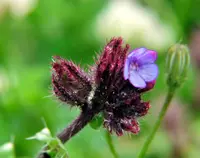
The bright blue flowers show a strong color contrast between the petals and the pale central scales, which act as visual nectar guides that help pollinators quickly locate the nectar source.

Botan icon

Did you know?

Striped alkanet has been recorded since antiquity in the Levant region and appears in traditional regional texts and herbals, where its striking blue flowers and rough foliage made it a recognizable component of local wild flora, long before modern botany formally described Anchusa strigosa.

FAQs about Striped Alkanet

This species strongly attracts bees and other pollinating insects with its abundant blue flowers and nectar. Planting it in sunny borders or wildflower-style plantings can support local pollinator populations and improve fruit set in nearby crops.

Grow Healthy Plants with Botan Care

Keep your plants happy and healthy with plant identification, disease detection, and easy care guidance.

Botan plant care app — identify plants on mobile

Explore More Plants