Short-lived lifecycle
Plan for a single-season life cycle and collect seed heads as they dry so you can resow fresh seed the following year rather than trying to keep the same plants long-term.

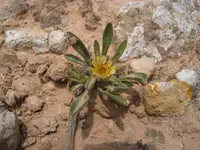
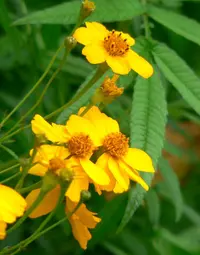
Rose of Jericho, Pallenis hierochuntica, is a small annual from arid and semi-arid regions of the Middle East and North Africa. It grows as a low, branching mound with narrow leaves and small yellow, daisy-like flower heads.
In its native habitat it is adapted to heat, intense sun, and very poor, rocky soils. The plant survives drought by drying and going dormant, then resuming growth when moisture returns.
Because of this strong drought tolerance, it can be easy to keep alive if overwatering is avoided, but long-term growth indoors is more challenging than short decorative use. Understanding how to care for Rose of Jericho starts with respecting its desert origin and need for very sharp drainage and strong light.

Care Difficulty
Moderate Care

Light Preference
Full Sun

Water Requirements
Low Water

Temperature Preference
Warm Climate

Hardiness Zone
9–11

Soil Texture
Sandy, Loamy, Rocky

Soil pH
Slightly acidic (6.5–7.0), Neutral (7.0)

Soil Drainage
Well-drained

Fertilization
Minimal (feed rarely)
Scan your plant to receive care tips personalized for your specific plant
Available on iOS and Android
This desert annual needs strong light and copes well with intense sun in arid climates.
This species is drought-adapted and prefers drying out between thorough soakings.
This annual thrives in hot, arid conditions and tolerates a wide temperature range when kept dry.
This desert annual tolerates very dry air and rarely needs humidity adjustment indoors.
This species prefers lean, sharply drained, sandy soil that mimics desert conditions.
This species is suitable for container growing when given a shallow, very free-draining setup.
This desert annual needs only light feeding, as Rose of Jericho adaptations suit poor soils.
Pruning needs for Pallenis hierochuntica are minimal and mainly cosmetic.
This species is usually grown as an annual, so transplanting is more relevant than long-term repotting.
Propagation of Pallenis hierochuntica is most practical from seed rather than vegetative methods.
In most climates this desert annual completes its life cycle before winter and needs little special care.

Plant Health Check
Not sure what's wrong with your plant? Check your plant's health inside the app.
This species is a short-lived annual native to arid regions of the Middle East and North Africa, completing its entire life cycle quickly during brief periods of moisture before the habitat dries again.
Although often sold under the name Rose of Jericho, it is taxonomically and biologically distinct from the true resurrection plants such as Anastatica hierochuntica, which can curl up and rehydrate multiple times.
Studies show that this species expresses strong heat- and drought-tolerance traits at the whole-plant level, making it a model organism for understanding how some desert annuals survive extreme conditions.

Genetic research has used this species to study how desert annuals may adapt to long-term climate warming, since its natural range spans very hot, low-rainfall environments where small changes in temperature and rainfall strongly affect its short growing season.
This species is generally considered non-toxic and is not known to cause serious problems for cats, dogs, or other common pets. Still, limit chewing or ingestion, since any plant material can cause mild stomach upset in sensitive animals.
Keep your plants happy and healthy with plant identification, disease detection, and easy care guidance.