Encourage Compact Growth
Pinch back the soft growing tips when plants are 10–15 cm tall to encourage branching and a fuller, more floriferous mound rather than a few tall, floppy stems.

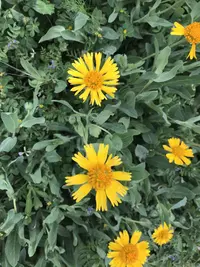
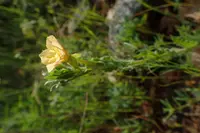
Huisache daisy, Amblyolepis setigera, is a small, short-lived perennial or annual wildflower from the southern United States and northern Mexico. It forms low mounds topped with many bright yellow, button-like flower heads.
The foliage is finely divided and somewhat airy, giving the plant a soft, textured look that contrasts well with coarser species. Plants usually bloom heavily in warm weather and attract many pollinators.
This species is adapted to open, sunny, dry habitats such as prairies and roadsides, and it tolerates poor, rocky, or sandy soils. These traits make it relatively easy to care for huisache daisy in low-water or naturalistic gardens.
It generally prefers full sun and well-drained soil, with only occasional supplemental moisture once established.

Care Difficulty
Easy Care

Light Preference
Full Sun

Water Requirements
Low Water

Temperature Preference
Warm Climate

Hardiness Zone
7–10

Soil Texture
Sandy, Loamy, Rocky

Soil pH
Slightly acidic (6.5–7.0), Neutral (7.0)

Soil Drainage
Well-drained

Fertilization
Minimal (feed rarely)
Scan your plant to receive care tips personalized for your specific plant
Available on iOS and Android
This sun-loving annual thrives in open, bright locations typical of its native prairies.
This drought-tolerant annual prefers infrequent, deep watering rather than constant moisture.
This warm-season annual performs best in hot, dry climates with mild winters.
Humidity is not a critical factor for Amblyolepis setigera, which is adapted to dry, open habitats.
Amblyolepis setigera prefers lean, fast-draining mineral soils that do not stay wet after rain or irrigation.
This species can be grown in containers if the pot is set up to mimic its dry, free-draining native habitat.
This drought-adapted native huisache daisy generally needs minimal fertilization in ordinary, well-drained soil.
Amblyolepis setigera benefits from light pruning to maintain a tidy, floriferous mound.
This species is usually grown in the ground and responds best to infrequent, well-timed transplanting.
This plant is most often propagated by seed, which reflects its natural life cycle and habitat.
This warm-season perennial is adapted to mild winters and usually needs little active winter care in suitable climates.

Plant Health Check
Not sure what's wrong with your plant? Check your plant's health inside the app.
This species is the only member of its genus, making it a monotypic representative of a small lineage within the sunflower family (Asteraceae) adapted to dry, open habitats of Texas and northern Mexico.
The plant forms a pronounced taproot that helps it access deeper soil moisture, which supports its brief but abundant spring flowering in sandy or rocky soils that dry quickly.
Its bright yellow flower heads produce a noticeable, sweet fragrance that attracts a range of pollinating insects, especially bees, during its relatively short blooming window.
This species behaves as a short-lived perennial or a reseeding annual, depending on climate. In mild regions it may persist several years, while in colder areas it typically completes its life cycle in one growing season.
Keep your plants happy and healthy with plant identification, disease detection, and easy care guidance.