Winged Pea Care (Lotus tetragonolobus)

Also known as: Asparagus pea
Winged Pea

About Winged Pea

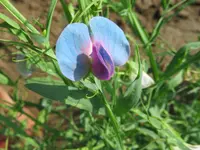
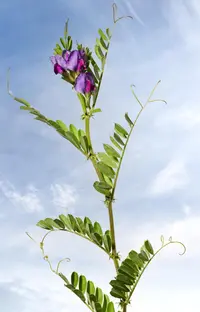
Winged pea, Lotus tetragonolobus, is an annual legume grown for its unusual four‑winged pods and light, clover-like foliage. It forms a low, scrambling mound or can be trained on small supports. Native to the Mediterranean region, it prefers mild climates and does best in open, sunny positions with moderate moisture and well-drained soil. The red to yellow pea flowers add ornamental value as well as edible pods in young stages. This species is generally considered easy to grow from seed, but it needs consistent light and warmth to perform well. Understanding how to care for Winged Pea helps gardeners harvest both attractive flowers and tender pods.

Main Plant Requirements

Care Difficulty

Moderate Care

Light Preference

Full Sun

Water Requirements

Regular Water

Temperature Preference

Warm Climate

Hardiness Zone

8–11

Soil Texture

Sandy, Loamy, Organic-rich

Soil pH

Acidic (5.5–6.5), Slightly acidic (6.5–7.0)

Soil Drainage

Moist but well-drained

Fertilization

Light (every 4–6 weeks)

Get Personalized Care Plan

Scan your plant to receive care tips personalized for your specific plant

Available on iOS and Android

How to Care for the Winged Pea

Lotus tetragonolobus needs strong light to flower and set pods well.

  • Provide 6–8 hours of direct sun daily; full sun suits most mild and temperate climates for growing Winged Pea.
  • Allow light afternoon shade in regions with very hot summers to limit leaf scorch and flower drop.
  • Monitor stretching, pale foliage, or weak flowering as signs of insufficient light, and choose the sunniest, south- or west-facing outdoor position available.

This legume prefers evenly moist but never waterlogged soil during active growth.

  • Water when the top 2–4 cm of soil feels dry, giving a deep soak that reaches the root zone rather than light surface splashes.
  • Use well-drained soil or beds; yellowing, soft stems and a sour smell indicate overwatering, while drooping, crisp foliage signals drought stress.
  • Reduce watering frequency in cool or rainy weather, and increase slightly during flowering and pod set to support steady growth.

This warm-season annual grows best in mild, frost-free conditions.

  • Aim for daytime temperatures of 65–80°F (18–27°C) for strongest vegetative growth and flowering.
  • Avoid exposure below 32°F (0°C); even light frost can kill plants, so sow or transplant only after the last spring frost date.
  • Plants tolerate short periods up to about 90°F (32°C) if soil moisture is stable, but flowering can decline during extended extreme heat.

This species manages well in typical outdoor humidity and rarely needs special adjustments.

  • Target 40–60% humidity, which is common in most temperate outdoor climates where Lotus tetragonolobus is grown.
  • Plants tolerate brief dry air periods but prolonged hot, very dry winds can scorch leaves and slow flowering on Winged Pea.
  • If air is extremely dry, use mulch around the base and windbreaks to reduce moisture loss from leaves and soil.

Lotus tetragonolobus prefers light, well‑aerated soils that drain quickly yet hold enough moisture for steady growth.

  • Use a sandy or loamy mix with 30–40% sharp sand plus compost to provide structure, nutrients, and fast drainage.
  • Aim for slightly acidic to neutral pH around 6.0–7.0, avoiding very acidic or strongly alkaline ground that restricts nutrient uptake.
  • In heavy clay, raise the bed and incorporate coarse sand or fine gravel with organic matter to increase aeration and prevent waterlogging.
  • Avoid compacted or constantly wet sites, which can cause root rot and poor nodulation in this nitrogen‑fixing legume.

This species can be grown successfully in containers when provided with enough root depth and free‑draining substrate.

  • Choose a pot at least 25–30 cm deep to accommodate the taproot and prevent stunted growth.
  • Select a relatively wide, heavier container to keep the trailing and vining growth stable in wind.
  • Ensure multiple unobstructed drainage holes so excess irrigation water exits quickly, preventing roots from sitting in saturated mix.

Lotus tetragonolobus benefits from modest feeding to support flowering and pod production without excessive foliage growth.

  • Use a balanced NPK fertilizer (such as 10-10-10) or well-rotted compost mixed into the soil before planting for caring for Winged Pea.
  • Apply a diluted balanced liquid feed at 1/2 strength every 3–4 weeks during the active growing season.
  • Avoid high-nitrogen products, which encourage leafy growth at the expense of flowers and pods.
  • Suspend feeding in late fall and winter, when growth slows or plants complete their annual cycle.

Lotus tetragonolobus responds well to light, targeted pruning that keeps plants compact and productive.

  • In early to mid summer, trim back tangled or leggy stems to maintain shape and encourage branching.
  • Remove dead, diseased, or storm-damaged growth as soon as noticed, using clean, sharp scissors or hand pruners.
  • Pinch or cut spent flowering stems to promote continued blooming and pod set.
  • Avoid cutting into very young seedlings; wait until plants are established and growing strongly.

Lotus tetragonolobus is usually grown as an annual in beds or large containers, so transplanting focuses on young plants rather than repeated repotting.

  • Start seeds in small pots or modules, then transplant outdoors after frost when roots lightly fill the starter cell but are not circling heavily.
  • Transplant in spring into well-drained soil, spacing plants to allow airflow and reduce competition.
  • Handle root balls gently, disturbing roots as little as possible to limit transplant shock.
  • Water thoroughly after transplanting and provide light shade or wind protection for 2–3 days while plants re-establish.

Lotus tetragonolobus is most commonly propagated from seed, which gives reliable and fast results for seasonal crops.

  • Sow seeds in early to mid spring, indoors 4–6 weeks before last frost or directly outdoors once soil is warm.
  • Scarify hard seeds lightly with sandpaper or soak for 6–12 hours to improve germination.
  • Provide 65–75°F, bright light, and evenly moist but not waterlogged substrate for consistent sprouting.
  • Transplant seedlings once they have at least 2 true leaves and roots hold the plug together.

Lotus tetragonolobus is typically grown as a warm-season annual and usually does not require complex winter care.

  • Plants are frost-tender and will be killed by hard freezes, so treat them as seasonal crops in cold climates.
  • In mild regions, a light mulch layer around the root zone can help extend the growing season slightly.
  • Container plants in borderline climates can be moved into a cool, bright, frost-free spot to prolong harvest briefly.

Care Tips

Provide climbing net

Install a lightweight mesh or string trellis early in the season so young vines can be gently guided upward, improving air movement around foliage and making pods easier to harvest.

Encourage flowering flush

Once the plants start flowering, pick pods while still young and tender every 1–2 days to encourage continuous bloom and pod production instead of letting pods mature fully on the vine.

Inoculate with rhizobia

Before sowing, dust the seeds with a legume inoculant containing compatible Rhizobium bacteria to improve nitrogen fixation and overall vigor, especially in soils that have not recently grown legumes.

Mulch for root cooling

Apply a 3–5 cm layer of clean straw or shredded bark around, but not touching, stems to keep the root zone cooler, reduce surface evaporation, and limit weed competition during hot periods.

Rotate bed location

Change the planting area each year, avoiding spots recently used for peas, beans, or other legumes, to reduce buildup of soilborne diseases and pests and to keep growing Winged Pea more resilient over time.

Common Pests and Diseases

Aphids

This pest feeds on tender shoots, flower buds, and undersides of leaves, extracting sap and causing curling, distortion, and sticky honeydew deposits. Symptoms include reduced vigor and sooty mold growth on the honeydew in humid conditions.

Solution

Control light infestations by spraying plants with a strong stream of water to dislodge insects, and prune heavily infested shoot tips. For persistent problems, use insecticidal soap or a neem oil spray, applied in the early morning or evening, and encourage natural predators such as lady beetles by avoiding broad-spectrum insecticides nearby.

Pea weevils

These insects lay eggs on developing pods, and the larvae bore into seeds, leaving small exit holes and reducing seed quality and yield. Symptoms include malformed or partially eaten seeds and small punctures on pods.

Solution

Hand-pick and destroy affected pods where feasible and remove plant residues after harvest to break the life cycle. Use fine mesh row covers during flowering and early pod set to exclude adults, and rotate legumes so that plants do not grow in the same location for at least 2–3 years.

Powdery mildew

This disease appears as white to gray powdery patches on leaves, stems, and sometimes pods, often starting on older foliage. Symptoms include yellowing, premature leaf drop, and reduced flowering and pod production under warm, dry conditions with high humidity at night.

Solution

Improve airflow by spacing plants properly and avoiding overhead watering late in the day, then remove and discard heavily infected leaves to lower spore load. In early stages, apply a sulfur-based fungicide or potassium bicarbonate product labeled for edible legumes, following label directions and repeating as needed during conducive weather.

Ascochyta blight

This disease causes tan to dark brown spots with darker margins on leaves, stems, and pods, sometimes with tiny dark fungal fruiting bodies in the lesions. Symptoms include premature leaf drop, stem cankers, and pod spotting that can reduce seed quality, particularly in cool, wet weather.

Solution

Remove and destroy infected plant material promptly and avoid working among wet plants to limit spread. Use crop rotation with non-legume crops for at least 3 years, water at soil level, and if the problem recurs, choose certified disease-free seed and consider a labeled copper-based fungicide as a preventive spray in persistently wet conditions.

Pea thrips

These insects rasp the surface of leaves and flowers, causing silvery streaking, speckling, and deformed or aborted flowers and pods. Symptoms include reduced flowering, scarring on pods, and sometimes browning and curling at leaf edges.

Solution

Reduce populations by using blue or yellow sticky traps to monitor and capture adults and by hosing down foliage to remove thrips from leaf surfaces. In case of continued damage, apply insecticidal soap or a neem-based product to the undersides of leaves and developing flowers, repeating at intervals, and limit nearby grass and weed hosts that can harbor thrips populations.

Interesting Facts

Distinctive winged pods

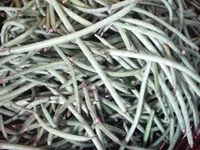
This species forms unusual four-winged seed pods, which give rise to its common name winged pea and clearly distinguish it from most other legumes that have smooth, round pods.

Mediterranean annual legume

It is an annual plant native to Mediterranean regions, adapted to mild, dry summers and cool, moist winters, and has historically been grown as a minor food crop in southern Europe and parts of the Middle East.

Nitrogen-fixing symbiosis

Like many legumes, it forms nodules on its roots that host Rhizobium bacteria, which convert atmospheric nitrogen into forms the plant can use, improving soil fertility for subsequent crops.

Botan icon

Did you know?

The young winged pods and tender shoots of this species have been cultivated and eaten as a vegetable in some Mediterranean and Asian cuisines, valued for their crisp texture and ornamental appearance on the plant.

FAQs about Winged Pea

The immature pods, young shoots, and sometimes flowers are edible and used as vegetables. Only harvest from plants grown without pesticides and avoid old, fibrous pods, which become tough and lose flavor as they mature.

Grow Healthy Plants with Botan Care

Keep your plants happy and healthy with plant identification, disease detection, and easy care guidance.

Botan plant care app — identify plants on mobile

Explore More Plants