Einkorn Wheat Care (Triticum monococcum)

Einkorn Wheat

About Einkorn Wheat

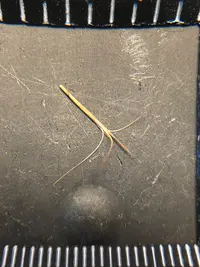
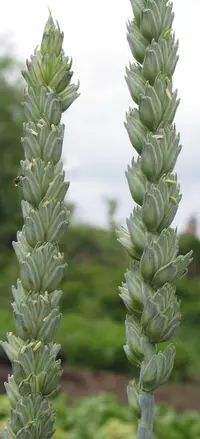
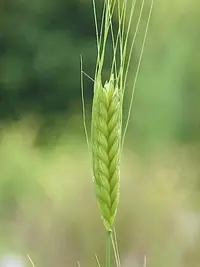
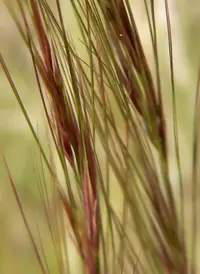
Einkorn wheat, Triticum monococcum, is one of the earliest domesticated cereal grains and is grown mainly as an annual grass crop. It forms upright clumps of slender stems with narrow leaves and golden seed heads that resemble modern wheat but are usually smaller and more compact.

This species originates from the Fertile Crescent in the Middle East and is now cultivated in various temperate regions, often in low-input or organic systems. It is generally considered hardy and adaptable, but yields are modest and it prefers full sun, moderate moisture, and well-drained soils.

Because of its resilience and simple growth requirements, it is relatively straightforward to care for Einkorn Wheat in suitable climates and soil conditions.

Main Plant Requirements

Care Difficulty

Easy Care

Light Preference

Full Sun

Water Requirements

Regular Water

Temperature Preference

Cool Climate

Hardiness Zone

5–8

Soil Texture

Sandy, Loamy, Silty

Soil pH

Acidic (5.5–6.5), Slightly acidic (6.5–7.0)

Soil Drainage

Well-drained

Fertilization

Minimal (feed rarely)

Get Personalized Care Plan

Scan your plant to receive care tips personalized for your specific plant

Available on iOS and Android

How to Care for the Einkorn Wheat

Triticum monococcum performs best in cool, bright conditions with consistent direct sun exposure.

  • Provide 6–8 hours of direct sun daily; full sun is ideal in spring and fall, with strong morning sun especially beneficial.
  • In hot summers, protect Einkorn Wheat from intense late-afternoon sun using spacing, companion crops, or light shade to reduce leaf scorch.
  • Avoid dense shade; stems grown with under 4 hours of sun become tall, weak, and more prone to lodging and disease.

Triticum monococcum prefers steady soil moisture without prolonged saturation or drought stress.

  • Irrigate when the top 3–5 cm of field soil feels dry, focusing on critical stages like germination, tillering, and grain filling.
  • Use well-drained loam or sandy loam; standing water or slow-draining clay leads to yellowing leaves, root rot, and patchy growth.
  • Reduce watering as plants mature and heads dry; bluish, curling leaves suggest drought stress, while lush, floppy growth can indicate excess moisture.

This ancient wheat thrives in cool to moderate climates and tolerates cold better than many modern wheats.

  • Optimal active growth occurs around 50–68°F (10–20°C), with slow but steady development in cooler early-season conditions.
  • Winter types tolerate short dips to 10–14°F (-12 to -10°C) once hardened, but young seedlings need protection from sudden hard freezes.
  • During grain filling, aim to avoid prolonged heat above 86°F (30°C), which can lower yield; moderate airflow helps plants cope with brief warm spells.

Humidity is not a critical factor for Triticum monococcum, which is adapted to open, airy field conditions.

Triticum monococcum prefers moderately fertile, well-structured mineral soil with reliable drainage for healthy root and grain development.

  • Use a loamy or sandy-loam texture that stays open after rain, avoiding heavy clay that compacts around roots.
  • Aim for a slightly acidic to neutral pH around 6.0–7.5, adjusting with lime or sulfur if soil tests fall outside this range.
  • Incorporate 10–20% well-rotted compost to improve structure and water retention without creating a soggy, organic-heavy substrate.
  • Improve drainage and aeration by loosening the top 15–20 cm before sowing and avoiding low-lying spots where water collects.

This species can be grown in containers mainly for small-scale or educational purposes rather than high-yield production.

  • Choose a deep, stable container at least 25–30 cm tall so roots can anchor tall stems and resist lodging in wind.
  • Use a heavier pot material or weight the base with stones to reduce tipping as the grain heads develop and become top-heavy.
  • Space seeds more sparsely in the container than in field sowings to reduce competition for limited root volume and moisture.

Triticum monococcum grown in typical garden or field soil needs only modest feeding to support healthy growth.

  • In average, well-prepared soil, incorporate compost or well-rotted manure before sowing to supply a slow-release nutrient base.
  • During active growth, use a balanced NPK fertilizer at half strength if foliage is pale or growth is weak, following label rates.
  • Apply any granular or slow-release product to moist soil, then water in thoroughly to reduce root burn risk.
  • Avoid feeding during winter dormancy or after plants begin to dry down for harvest, as extra nutrients no longer benefit Einkorn Wheat.

Triticum monococcum does not need structural pruning, only light cleanup to maintain plant health and ease harvest.

  • In late season, remove lodged, broken, or diseased stems with clean scissors or shears to reduce fungal spread.
  • Cut and remove heavily weed-infested or overcrowded patches after grain harvest to improve air flow in the next crop.
  • Dispose of diseased plant debris away from the planting area rather than composting it, to limit pathogen carryover.

This grain is usually direct-sown outdoors, so care focuses on field or bed transplanting rather than container repotting.

  • If started in trays, transplant when seedlings have 2–3 leaves and roots just fill the cell, before circling begins.
  • Move seedlings outdoors in early spring once soil is workable, spacing plants to avoid overcrowding and competition.
  • Water well before and after transplanting to reduce root stress, and handle plugs by the soil block, not the stems.
  • Transplant beds rarely need renewal; instead, rotate the crop annually to maintain soil health and reduce disease buildup.

Triticum monococcum is propagated almost exclusively from seed, not from cuttings or division.

  • Sow viable, disease-free seed in early spring or late fall, depending on local climate and variety requirements.
  • Prepare a fine, firm seedbed and plant seeds shallowly, about 2–4 cm deep, for even emergence.
  • Keep soil evenly moist but not waterlogged until germination, which typically occurs within 7–14 days in cool conditions.
  • Maintain good light and air circulation as seedlings develop to reduce damping-off, a fungal disease that kills young plants.

This cool-season cereal is cold hardy and usually needs minimal winter care in most temperate climates.

  • Winter-hardy varieties tolerate typical frost and snow once well established in the field.
  • In colder regions, a light straw mulch stabilizes soil temperature and reduces heaving around the root zone.
  • Container-grown plants in very cold areas benefit from moving to an unheated but sheltered space, such as a cold frame.

Care Tips

Dense sowing rows

Sow seeds in narrow, closely spaced rows to let the plants form a self-supporting stand that reduces lodging and shades out many small weeds once tillers have formed.

Timely weed knockback

Control weeds aggressively only during the first 4–6 weeks using shallow hoeing or flame weeding so roots are not disturbed later when the wheat begins stem elongation.

Minimal traffic paths

Plan fixed walking paths or boards through the plot to avoid compacting soil around the root zone, which helps maintain better tillering and nutrient uptake.

Windward staking line

In windy sites, run a low, taut string or wire along the windward side of the bed at about 30–40 cm height to give light support and reduce stem breakage without tying individual plants.

Targeted disease scouting

Begin weekly leaf inspections at stem elongation, checking mid- and upper leaves for rust pustules or blotches, and remove heavily affected clumps early to slow disease spread when growing Einkorn Wheat in small garden plots.

Common Pests and Diseases

Leaf rust

This disease causes small yellow spots that develop into orange-brown pustules on leaves and leaf sheaths, reducing photosynthesis and grain fill. Symptoms include early leaf senescence and weakened plants under humid, mild conditions.

Solution

Remove and destroy heavily infected plant residues after harvest to reduce overwintering spores, and avoid dense sowing to improve airflow. In regions with a history of severe rust, use resistant Einkorn lines when available and apply a labeled cereal fungicide preventively at early symptom appearance if growing at field scale.

Powdery mildew

This disease shows as white, powdery fungal growth on leaves and stems, which can later turn gray and cause chlorosis and leaf drying. Symptoms include reduced vigor and, in severe cases, poor head and grain development.

Solution

Reduce humidity around plants by avoiding overhead irrigation and by providing wider spacing and good air movement. Remove and discard heavily infected leaves, and in recurring problem areas consider sulfur-based or other labeled mildew fungicides applied early in disease development.

Fusarium head blight

This disease affects the heads around flowering, causing bleached spikelets, shriveled grain, and sometimes pinkish or salmon-colored fungal growth on the heads. Symptoms include reduced yield and potential contamination of grain with mycotoxins.

Solution

Avoid planting after maize or other small grains where Fusarium is common, and incorporate or remove infected residues to lower inoculum. For larger plantings, schedule irrigation to keep heads dry during flowering and use resistant or less susceptible Einkorn varieties where possible; if disease pressure is consistently high, apply a triazole-type fungicide at early flowering according to label directions.

Hessian fly

This insect pest lays eggs on wheat leaves, and the larvae feed at the base of stems, causing stunted growth, weakened plants, and lodging. Symptoms include dark green, stunted tillers and poor head emergence in infested stems.

Solution

Use crop rotation and avoid continuous wheat in the same location to disrupt the pest life cycle, and destroy volunteer cereals that can host the fly. In regions with known pressure, plant resistant varieties if available and adjust sowing dates so that seedlings are less exposed to peak adult flight periods.

Cereal aphids

These insects cluster on leaves and stems, sucking sap and excreting sticky honeydew, which can lead to sooty mold and reduced plant vigor. Symptoms include curled leaves, yellowing, and in some cases transmission of viral diseases.

Solution

Encourage natural predators such as lady beetles and lacewings by avoiding broad-spectrum insecticides and maintaining habitat diversity near plantings. For localized infestations, dislodge aphids with a firm water spray or treat with an insecticidal soap or a targeted systemic product labeled for wheat, applied early before populations build to high levels.

Interesting Facts

Ancient diploid wheat

This species is one of the earliest domesticated wheats and is diploid, meaning it carries 2 sets of chromosomes, unlike modern bread wheat which is hexaploid with 6 sets.

Robust gluten structure

Its gluten network is simpler and often weaker than that of modern wheat, which affects dough handling and typically gives denser, more compact breads.

High husk retention

The grains are tightly enclosed in tough hulls that do not thresh free easily, a trait known as being hulled, which provides good protection of the kernel during storage and field weathering.

Botan icon

Did you know?

Archaeobotanical remains of this species have been found at Neolithic sites across the Fertile Crescent and Europe, showing that it formed a key part of some of the earliest settled farming systems more than 8,000 years ago.

FAQs about Einkorn Wheat

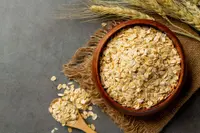
This ancient wheat is fully edible and cultivated mainly for its grain. It is used for bread, pasta, and porridges, and its smaller kernels often have higher protein and micronutrient levels than many modern wheat varieties.

Grow Healthy Plants with Botan Care

Keep your plants happy and healthy with plant identification, disease detection, and easy care guidance.

Botan plant care app — identify plants on mobile

Explore More Plants