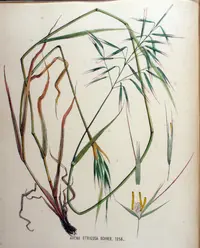
sixweeks threeawn Care (Aristida adscensionis)

Also known as: Annual Three-awn, Annual Bristle Grass
sixweeks threeawn

About sixweeks threeawn

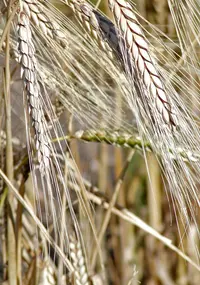
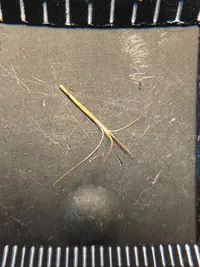
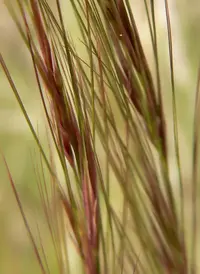
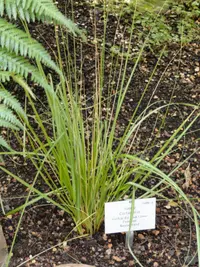
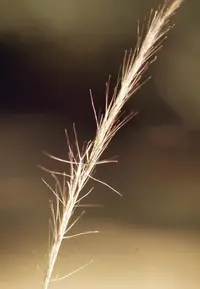
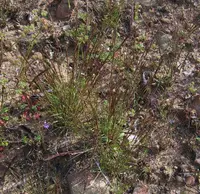
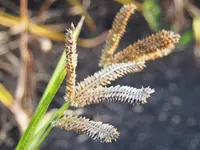
Sixweeks threeawn (Aristida adscensionis) is a small, short-lived annual grass known for its fine leaves and distinctive three-bristled seed heads. It often forms loose, tufted clumps with airy foliage.

This species is native to arid and semi-arid regions, commonly found in the southwestern United States and many warm, dry parts of the world. It naturally colonizes disturbed, sandy, or rocky soils.

The plant grows quickly, completes its life cycle in one season, and then reseeds, which can make it somewhat weedy in suitable conditions. Its drought tolerance and low nutrient needs simplify care for sixweeks threeawn, provided it receives good light and well-drained soil.

Main Plant Requirements

Care Difficulty

Easy Care

Light Preference

Full Sun

Water Requirements

Low Water

Temperature Preference

Warm Climate

Hardiness Zone

7–11

Soil Texture

Sandy, Loamy, Rocky

Soil pH

Slightly acidic (6.5–7.0), Slightly alkaline (7.0–7.5)

Soil Drainage

Well-drained

Fertilization

Minimal (feed rarely)

Get Personalized Care Plan

Scan your plant to receive care tips personalized for your specific plant

Available on iOS and Android

How to Care for the sixweeks threeawn

This warm-season grass thrives in strong light and open, exposed sites.

  • Provide full sun for 6–10 hours daily; sixweeks threeawn forms denser clumps and stronger seed heads with unobstructed exposure.
  • It tolerates light partial shade, especially with 3–4 hours of direct morning sun, but plants become looser and may lodge in heavier shade.
  • In very hot, dry regions, slight afternoon shade reduces leaf scorch, while winter low sun angles still give enough light in open ground.

This annual grass prefers dry, fast-draining conditions and is highly drought tolerant.

  • Allow soil to dry fully between waterings; in the field, only water if plants show persistent curl or dull gray-green foliage after several dry weeks.
  • Use sandy or gravelly soil with excellent drainage so Aristida adscensionis roots are never standing in water, which encourages rot.
  • During cooler seasons, reduce or stop supplemental watering, as slow growth and lower evaporation mean wet soil lingers longer and stresses plants.

This species is adapted to hot, arid climates and performs best in warm conditions.

  • Optimal growth occurs around 75–95°F (24–35°C), with good tolerance of brief spikes up to about 100–105°F (38–41°C) if soil is not waterlogged.
  • Plants are frost sensitive; growth slows sharply below 55°F (13°C) and is usually killed by hard freezes near 28°F (-2°C).
  • In cooler regions, sow after soil warms above 60°F (16°C) and expect Aristida adscensionis to complete its life cycle during the warmest part of the season.

This annual grass tolerates a wide humidity range and rarely needs special humidity management indoors.

  • Performs reliably in 20–60% indoor humidity, similar to most heated or air-conditioned homes.
  • Handles very dry air without issue, so no trays or humidifiers are necessary for sixweeks threeawn.
  • Humidity stress is uncommon; if leaf tips brown, check watering, light, and heat before changing humidity.

This species prefers lean, fast-draining, sandy soil that mimics its native dry habitats.

  • Use a coarse mix such as 60–70% sand or grit with 30–40% standard potting soil to keep roots dry and aerated.
  • Ensure sharp drainage; water should pass through quickly and not leave the mix soggy for more than a few hours.
  • A slightly acidic to neutral pH around 6.0–7.0 suits Aristida adscensionis and supports nutrient uptake without encouraging lush, weak growth.
  • Avoid dense clay, peat-heavy blends, or high-compost mixes, which hold too much moisture and increase root rot risk.

This grass can be grown in containers when given a shallow, very free-draining setup.

  • Choose a wide, low pot to match the shallow root system and keep the light, tufted foliage stable in wind.
  • Select unglazed terracotta if possible, as it speeds evaporation and prevents the mix staying wet after summer storms.
  • Elevate the container on pot feet or bricks so drainage holes stay clear and runoff leaves the root zone quickly.

This dryland annual grass needs only minimal feeding, especially when grown in lean, sandy soils.

  • Use a light top-dressing of compost or low-rate slow-release fertilizer in early spring if growth appears weak or soil is very poor.
  • Apply at most once per growing season; excessive nutrients reduce drought tolerance and encourage floppy growth in sixweeks threeawn.
  • Dilute any liquid balanced NPK fertilizer to 25–50% strength to avoid burning fine roots.
  • Do not feed in late fall or winter, as the plant naturally completes its life cycle and added nutrients are wasted.

Aristida adscensionis needs little structural pruning, but light maintenance keeps the grass tidy and reduces unwanted self-seeding.

  • Best timing is late winter to very early spring, before new growth starts, or after seed drop if reseeding is not desired.
  • Remove dry, broken, or lodging (bent over) stems with clean hand pruners or sharp scissors at the base.
  • Cut back sparse, weather-damaged clumps by 1/3–1/2 to refresh appearance without scalping the crown.
  • Bag and discard seed heads if volunteer seedlings are a concern, especially near native habitat plantings.

This species is usually direct-sown or planted out in situ, with transplanting focused on young seedlings rather than mature clumps.

  • Transplant in early to mid-spring once frost risk is past and seedlings have 3–4 true leaves for best establishment.
  • Move plants only if roots lightly fill the plug or small pot; dense, circling roots or stalled growth indicate the plant is already stressed.
  • Shift seedlings carefully with as much surrounding soil as possible to limit root disturbance and post-transplant shock.
  • Water gently after transplanting, then allow soil to dry between waterings, keeping conditions sharp and well-drained rather than wet.

New plants of Aristida adscensionis are most reliably raised from seed rather than division or cuttings.

  • Sow fresh seeds in late winter to spring in trays or directly outdoors where plants are to grow.
  • Provide very well-drained, sandy substrate and only a light soil covering; seeds need light and air contact to germinate well.
  • Maintain warm conditions around 68–77°F and keep the surface just barely moist until seedlings emerge.
  • Thin seedlings to prevent crowding, then harden them off with gradual outdoor exposure before planting into their final position.

In mild, dry climates this annual grass usually completes its life cycle by winter and needs no special cold-season care.

  • In regions with light frost, allow seed heads to mature and disperse before removing dead foliage.
  • For self-sown regeneration, leave some dry clumps standing over winter, cutting them back in late winter or early spring.
  • Container-grown plants in cooler, wetter areas benefit from very sharp drainage to keep roots from rotting during cold, wet periods.

Care Tips

Promote Dense Stands

Sow seed in several light passes rather than one heavy sowing so plants emerge in staggered clumps that knit together into a fuller drought-tolerant cover.

Time-Sensitive Reseeding

Monitor seed heads closely and lightly rake or disturb the soil just before natural seed drop so falling seeds make firm contact with the surface and germinate more reliably the next season.

Minimal Disturbance Weeding

Hand-weed with a narrow tool and shallow motions around the root zone to remove competitors without loosening the soil that anchors these fine, fibrous roots.

Use As Nurse Grass

Overseed this species with slower native perennials so its quick early growth shelters young seedlings, then allow it to senesce naturally as longer-lived species establish.

Low-Input Seed Harvest

For caring for sixweeks threeawn in a seed-saving bed, cut mature seed heads into a breathable paper bag, dry them in a shaded, airy place, then label and store the clean seed in a cool, dry spot for targeted future sowing.

Common Pests and Diseases

Rust

This disease causes small orange to brown pustules on leaves and stems, sometimes leading to yellowing and early leaf drop. Symptoms include reduced vigor in dense or humid stands of sixweeks threeawn.

Solution

Remove and destroy heavily infected plants to reduce spore spread, and avoid overhead watering in cultivated settings. Improve spacing and airflow around clumps, and in severe, recurring cases use a grass-safe fungicide labeled for rusts, applied according to directions and local regulations.

Smut

This disease produces dark, powdery spore masses in seed heads, distorting the normal shape of the inflorescences. Symptoms include reduced seed quality and an overall dusty, blackened appearance of affected spikes.

Solution

Cut and discard affected seed heads before spores are widely released, and clean tools and equipment after working in infested areas. For repeated problems in managed plantings, rotate with other species and avoid saving seed from infected stands to limit reinfection.

Grass aphids

These insects cluster on young stems and leaf bases, sucking sap and causing slight curling, yellowing, or sticky honeydew deposits that can support sooty mold. This pest is more common on stressed or irrigated plantings than on wild, drought-stressed plants.

Solution

Rinse colonies from plants with a firm stream of water where practical, or spot-treat dense populations with insecticidal soap or neem oil, coating stems and leaf bases thoroughly. Encourage natural predators such as lady beetles by minimizing broad-spectrum insecticide use nearby.

Grasshoppers

These insects chew irregular holes and notches in leaves and inflorescences, sometimes thinning foliage in dry, open sites where sixweeks threeawn grows. This pest tends to be more problematic in outbreak years or where vegetation is sparse.

Solution

Hand-pick individuals where feasible and protect small, intentional plantings with fine mesh row covers during peak feeding periods. In larger areas, maintain diverse surrounding vegetation to support predators and consider bait formulations labeled for grasshoppers if damage becomes severe and local rules allow their use.

Interesting Facts

Short-lived annual grass

This species is a true annual that completes its entire life cycle in roughly 6 weeks under warm, dry conditions, which is the origin of the common name sixweeks threeawn.

Three-awn dispersal

Each flower produces a seed with three long bristle-like awns that twist and flex with humidity changes, helping the seed work into soil cracks and lodge in rough surfaces.

Disturbance-adapted colonizer

Sixweeks threeawn often dominates recently disturbed, overgrazed, or construction-impacted soils in arid and semi-arid regions, then declines as longer-lived perennial grasses re-establish.

Botan icon

Did you know?

Some land managers use the presence and abundance of sixweeks threeawn as an indicator of recent disturbance or overgrazing pressure in rangeland health assessments, since it tends to increase in degraded sites and recede as ecological conditions improve.

FAQs about sixweeks threeawn

This grass is typically an annual. It completes its life cycle in 1 season, germinating, flowering, and setting seed quickly. In warm regions it can appear almost continuously because new seedlings replace older plants.

Grow Healthy Plants with Botan Care

Keep your plants happy and healthy with plant identification, disease detection, and easy care guidance.

Botan plant care app — identify plants on mobile

Explore More Plants