Establish in clumps
When planting, set multiple small divisions 15–20 cm apart in irregular groups to create natural-looking clumps that help the fine foliage stand upright and reduce lodging in wind and rain.

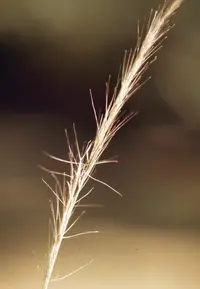
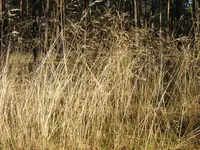
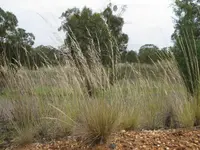
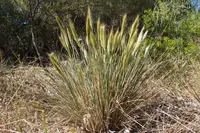
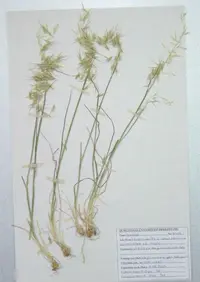
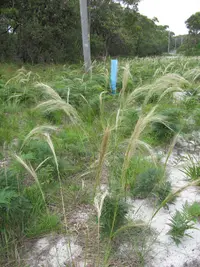
Arrowfeather threeawn, Aristida purpurascens, is a warm-season perennial bunchgrass native to dry prairies, open woodlands, and sandy sites in eastern and central North America. It forms narrow clumps with fine, upright leaves and airy, purple-tinged seed heads that fade to tan, giving a soft, wispy texture in the landscape.
This grass is adapted to poor, well-drained soils and drought, so it suits low-maintenance, naturalistic plantings and restoration projects. Once established, it needs little supplemental water but responds poorly to heavy, compacted, or waterlogged soils.
Gardeners who care for arrowfeather threeawn should value its tolerance of heat and dryness, along with its restrained growth and minimal need for fertilization or frequent division.

Care Difficulty
Easy Care

Light Preference
Full Sun

Water Requirements
Low Water

Temperature Preference
Cold Hardy

Hardiness Zone
5–9

Soil Texture
Sandy, Loamy, Rocky

Soil pH
Acidic (5.5–6.5), Slightly acidic (6.5–7.0)

Soil Drainage
Well-drained

Fertilization
Minimal (feed rarely)
Scan your plant to receive care tips personalized for your specific plant
Available on iOS and Android
This warm-season grass thrives in open, bright locations that mimic prairie conditions.
This species prefers dry, lean conditions and is highly tolerant of drought once established.
This warm-season perennial grass handles heat well but has limits with prolonged cold and hard frost.
This species tolerates a wide humidity range and usually does not need special humidity management.
This warm-season grass prefers lean, fast-draining mineral soils that mimic dry prairies or sandy open sites.
This species is suitable for container growing, especially in dry, sunny locations.
This native warm-season grass needs little feeding, so focus on maintaining lean, well-drained soil for arrowfeather threeawn.
Pruning needs for Aristida purpurascens are minimal and mainly cosmetic.
This grass is usually grown in the ground, so care focuses on transplanting young plants rather than frequent repotting.
Propagation of Aristida purpurascens is possible but not usually a primary maintenance task for this landscape grass.
This species is cold hardy in much of its range and generally needs little special winter care outdoors.

Plant Health Check
Not sure what's wrong with your plant? Check your plant's health inside the app.
This species often develops a distinct purplish to reddish tint in its flowering stems and seed heads in late season, which is more pronounced than in many related threeawn grasses.
Arrowfeather threeawn naturally occurs on sandy, rocky, and very low-fertility sites in eastern North America, where it helps stabilize open, drought-prone soils with its fibrous root system.
In parts of its range, this grass is associated with open pine savannas and other fire-influenced ecosystems, where its fine foliage contributes to light, fast-burning surface fuels that maintain open conditions.

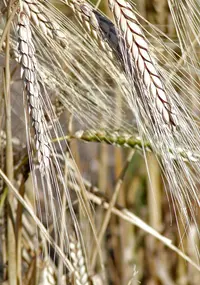
The distinctive three-awned seeds of arrowfeather threeawn can become lodged in animal fur and sometimes in livestock mouths or eyes, which has led some land managers to limit its abundance in heavily grazed pastures even though it is a native species.
This species forms clumps and spreads slowly by seed, not by running roots. It generally stays where planted, though light seeds can travel on wind. Deadhead before seed set if unwanted self-seeding becomes a concern.
Keep your plants happy and healthy with plant identification, disease detection, and easy care guidance.