Regular clump renewal
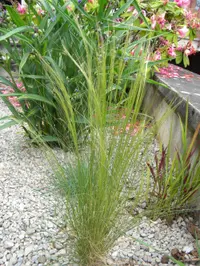
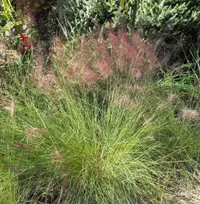
Every 3–4 years, divide and replant the clump in late winter to prevent woody, dead centers and keep the plant dense and upright.

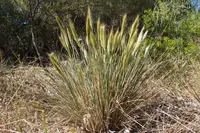
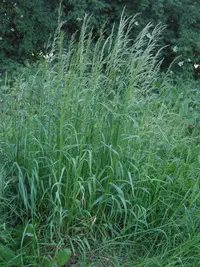
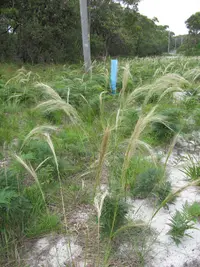
Austrostipa densiflora is a perennial bunchgrass native to Australia, valued for its fine, arching foliage and delicate flower heads. It forms loose clumps that move easily in the wind, adding light texture to dry or naturalistic plantings.
This species typically grows in open woodlands and grasslands on well-drained soils, often in relatively low-fertility sites. Its drought tolerance and low nutrient demands make it suitable for low-maintenance gardens.
Compared with many ornamental grasses, it is moderately easy to manage if given sun, drainage, and space to form its natural clump. Understanding how to care for Austrostipa densiflora mainly involves respecting its preference for dry, open conditions rather than rich, wet soils.

Care Difficulty
Easy Care

Light Preference
Full Sun

Water Requirements
Low Water

Temperature Preference
Warm Climate

Hardiness Zone
8–11

Soil Texture
Sandy, Loamy, Rocky

Soil pH
Slightly acidic (6.5–7.0), Neutral (7.0)

Soil Drainage
Well-drained

Fertilization
Minimal (feed rarely)
Scan your plant to receive care tips personalized for your specific plant
Available on iOS and Android
This sun-loving ornamental grass thrives in open, bright positions in the landscape.
This drought-tolerant grass prefers infrequent, deep watering once established.
This species is adapted to warm, temperate climates with moderate seasonal variation.
This drought-adapted grass tolerates a wide humidity range and usually does not need special humidity management indoors or outdoors.
This species prefers lean, well-drained mineral soils and is adapted to low-fertility conditions.
This grass can be grown in containers if the pot is prepared to suit its deep, fibrous root system and dry-site preferences.
This tough native grass needs minimal feeding, but light fertilization can support growth in very poor soils.
Pruning helps maintain the tidy fountain shape and encourages fresh foliage on Austrostipa densiflora.
This grass is most often grown in the ground, with transplanting needed only when clumps outgrow their space or crowd neighbors.
New plants are usually raised from seed, with division used less often for established Austrostipa densiflora clumps.
In most mild, low-frost climates this species is broadly cold tolerant and needs little dedicated winter care.

Plant Health Check
Not sure what's wrong with your plant? Check your plant's health inside the app.
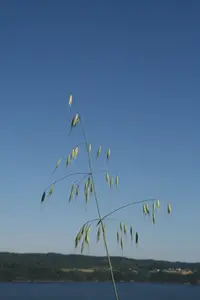
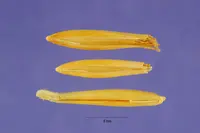
This species forms fine, dense flower panicles that create a soft, plume-like effect, which is why it is commonly called a plume speargrass. The slender, hair-like branches of the panicle move easily with wind, helping disperse its small seeds over short distances.
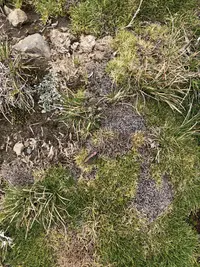
It naturally occurs on sandy or low-nutrient soils in southeastern Australia and is adapted to thrive where many broadleaf plants struggle. Its narrow leaves and modest growth demand allow it to persist in sites that experience both drought and low fertility.
This grass is a characteristic component of dry sclerophyll forests and grassy woodlands, where it contributes fine fuel that shapes natural fire regimes. After fire, it can regenerate from seed, supporting the recovery of native ground-layer vegetation.

Austrostipa densiflora is considered a key indicator species for some remnant grassy woodland communities in southeastern Australia, so its presence can help ecologists recognize and map fragments of original native vegetation that have largely disappeared from agricultural and urban landscapes.
This species is moderately fast once established. In suitable conditions it usually reaches near-mature size in 2–3 growing seasons, then thickens its clump over time rather than increasing dramatically in height each year.
Keep your plants happy and healthy with plant identification, disease detection, and easy care guidance.