Garden Route Rushiris Care (Bobartia aphylla)

Garden Route Rushiris

About Garden Route Rushiris

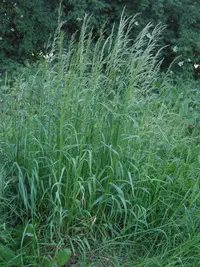
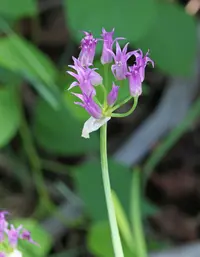
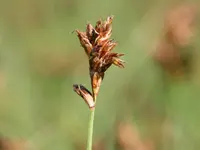
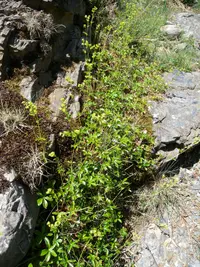
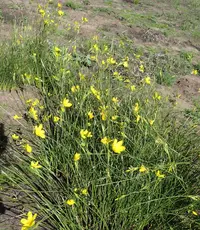
Garden Route rushiris, Bobartia aphylla, is a clump-forming perennial from the iris family with upright, rush-like, leafless green stems and small yellow flowers. It has a neat, architectural look that suits rock gardens and naturalistic plantings.

This species is native to the fynbos and coastal regions of South Africa’s Garden Route, where it grows in well-drained, often sandy soils. It prefers sunny, open positions and tolerates wind and poor, lean soils, but dislikes heavy, waterlogged ground.

Once established, it is relatively low-maintenance, provided drainage is good and competition from aggressive plants is limited. Understanding how to care for Garden Route Rushiris mostly comes down to matching its need for sun and sharply drained soil.

Main Plant Requirements

Care Difficulty

Moderate Care

Light Preference

Full Sun

Water Requirements

Moderate Water

Temperature Preference

Warm Climate

Hardiness Zone

9–11

Soil Texture

Sandy, Loamy

Soil pH

Slightly acidic (6.5–7.0)

Soil Drainage

Well-drained

Fertilization

Minimal (feed rarely)

Get Personalized Care Plan

Scan your plant to receive care tips personalized for your specific plant

Available on iOS and Android

How to Care for the Garden Route Rushiris

This South African rush prefers bright, open exposure to flower and maintain dense clumps.

  • Provide 6–8 hours of direct sun daily; full sun is ideal, especially in coastal or mild climates where Garden Route Rushiris is often grown.
  • In hotter inland areas, give full morning sun with light afternoon shade to reduce leaf scorching and desiccation of the fine rush-like stems.
  • Avoid deep shade; plants grown with fewer than 4 hours of direct sun become sparse, lean, and produce fewer flowers over the season.

This species prefers evenly moist but fast-draining soil and is not suited to prolonged saturation.

  • In the growing season, water when the top 3–5 cm of soil feel dry, allowing moisture to penetrate deeply but drain away within a few hours.
  • Use sandy or gritty soil with excellent drainage; standing water or heavy clay promotes root rot and yellowing, especially around the plant base.
  • Reduce watering in cooler months, watching for shriveling or browning tips as a sign of underwatering, and black, soft roots or foul smell as signs of excess moisture in Bobartia aphylla.

This plant favors mild, frost-free conditions with moderate summer heat.

  • Optimal growth occurs around 65–80°F (18–27°C), particularly during the active spring and summer growing period.
  • Tolerates brief dips to about 28–30°F (-2 to -1°C), but repeated or hard frosts damage foliage and can kill young plants, so provide protection in cold snaps.
  • Handles dry heat up to 90–95°F (32–35°C) if soil moisture is maintained, but combined high heat and reflected sun can scorch stems and reduce flowering.

This species tolerates a wide humidity range and rarely needs special humidity management indoors or outdoors.

  • Target 30–60% air humidity, typical of most heated or cooled homes, when growing Garden Route Rushiris under cover.
  • Leaves that brown from the tips while soil stays evenly moist usually indicate overly dry air rather than drought.
  • Increase humidity slightly by grouping plants together or placing the pot on a shallow pebble tray with water below the pot base.

Bobartia aphylla needs sharply drained, sandy soil that mimics its native fynbos habitat.

  • Use a mix of roughly 60–70% coarse sand or fine grit with 30–40% lean loam to keep roots aerated and free from standing water.
  • Aim for slightly acidic to neutral pH, around 6.0–7.0, which supports nutrient uptake without encouraging excess leaf growth.
  • Improve drainage in heavy native ground by creating a raised berm or planting on a slope with added coarse sand or fine gravel.
  • Avoid dense clay, peat-heavy mixes, or sites where water lingers after rain, as these conditions quickly cause root and rhizome rot.

This species can be grown in containers if the pot is configured to drain rapidly and stay lean.

  • Choose a tall, relatively narrow pot to give the fibrous roots depth while preventing excess horizontal moisture retention.
  • Select unglazed terracotta rather than plastic if outdoor rain exposure is high, as it allows faster evaporation from the root zone.
  • Weight the base of lightweight pots with a gravel layer below the root zone to keep the narrow, tufted foliage clump from toppling in wind.

This nutrient-efficient South African rush needs only light feeding in cultivation, and overfertilizing can reduce its compact habit.

  • Use a low-dose, balanced liquid fertilizer (around 10-10-10) at 1/4–1/2 strength on well-established clumps in spring and early summer.
  • Apply no more than every 4–6 weeks during active growth if soil is poor; skip feeding in naturally fertile, sandy loam.
  • Avoid heavy compost or rich organic mixes, which can hold excess moisture and weaken roots of Garden Route Rushiris.
  • Stop all fertilization in late summer so growth hardens before cooler weather and any dormant period.

Bobartia aphylla needs minimal pruning, mainly to keep clumps tidy and flowering stems productive.

  • Best timing is late winter to early spring before strong new growth starts.
  • Cut back spent flower stalks at the base with clean, sharp hand pruners to maintain a neat clump.
  • Remove any dead, broken, or diseased stems during the season to reduce pest and rot risk.
  • Avoid hard cutting into healthy green bases, which can thin the clump and reduce next season’s flowers.

This species is usually grown in the ground, so focus on careful transplanting rather than frequent container repotting.

  • Transplant or divide clumps in late winter to early spring, before vigorous new growth begins.
  • Look for congestion, slow vigor, or roots filling and circling a pot as signs a container plant needs a larger space.
  • Lift the clump gently, tease roots apart with fingers, and replant at the same depth in well-drained, gritty soil.
  • Water thoroughly after planting, then keep soil just lightly moist while roots re-establish, avoiding waterlogging that can cause rot.

Propagation of this rush-like perennial is done occasionally and benefits from stable conditions and patience.

  • Divide mature clumps in late winter or early spring, lifting sections with several healthy shoots and roots each.
  • Replant divisions into sharply drained, sandy soil, firming gently so crowns sit level with the surface.
  • Seed propagation is slow; sow fresh seed on the surface of free-draining mix and keep at 60–70°F with bright light.
  • Maintain even, light moisture but never saturated soil to support root development and prevent damping-off in seedlings.

In mild, frost-free or light-frost climates, this plant generally overwinters outdoors with little intervention.

  • Tolerates brief light frosts, but sustained hard freezes can damage shoots and crowns.
  • In colder regions, apply a 5–8 cm layer of dry mulch around the root zone in late fall, keeping it off the crown.
  • Grow container plants in fast-draining mix and move them under cover or into a bright, cool indoor spot when temperatures drop below freezing.

Care Tips

Protect fibrous roots

Use a light gravel or coarse sand mulch around the clumps to keep the shallow fibrous roots cool and stable without trapping excess moisture against the crown.

Encourage dense clumps

Every 3–4 years, lift and divide congested clumps at the end of their resting season, replanting only the youngest, firm fans to maintain dense, upright growth and reliable flowering.

Improve drainage slope

Site plants on a slight mound or gentle slope and mix in extra coarse mineral grit in the top 10–15 cm so rainfall moves away quickly from the crown, which reduces rot in wet winters.

Winter wet protection

In regions with cool, wet winters, place flat stones or pavers just upslope of the clump to divert runoff and use a simple clear rain shield during prolonged storms, removing it once the soil has drained.

Low‑nutrient companions

Plant alongside other low-fertility, sun-loving fynbos or rock garden species so that irrigation and feeding regimes match, which simplifies caring for Garden Route Rushiris in mixed plantings.

Common Pests and Diseases

Iris leaf spot

This disease causes small, water-soaked lesions on leaves that expand into brown spots with darker margins, often starting on older foliage. Symptoms include premature yellowing and dieback of affected leaves, especially in humid or poorly ventilated conditions.

Solution

Remove and discard spotted or dead leaves promptly to reduce fungal spores, and avoid overhead watering so foliage dries quickly. Improve air movement around clumps, thin overcrowded growth, and if the problem persists, apply a labeled fungicide for iris leaf spot at the first sign of new lesions, following product directions carefully.

Rust

This disease produces small yellow to orange pustules on leaves and stems, sometimes merging into larger discolored areas that weaken the plant. Symptoms include reduced vigor and early leaf drop, especially where moisture lingers on foliage.

Solution

Cut off and destroy affected leaves and any heavily infected stems as soon as pustules appear, and keep irrigation at soil level rather than on foliage. Increase spacing and sun exposure where possible, and in severe or recurrent cases use a sulfur or other rust-labeled fungicide during the active growing season as part of Bobartia aphylla care.

Aphids

These insects cluster on young stems and flower stalks, sucking sap and causing distortion, yellowing, and sticky honeydew that can attract sooty mold. This pest tends to build up quickly in sheltered, low-airflow sites.

Solution

Spray plants with a firm stream of water to dislodge aphids, repeating as needed, and pinch off or cut back heavily infested shoot tips. For ongoing problems, use insecticidal soap or neem oil, coating the pests directly and reapplying according to label directions until populations drop.

Iris borer

This pest tunnels into leaf bases and rhizomes, causing streaked, collapsing foliage and soft, rotting tissues inside the clump. Symptoms include wilted fans, hollow stems, and frass or entry holes near the base of the plant.

Solution

Inspect clumps regularly, cutting and destroying any affected fans and digging out and discarding rhizomes that show tunneling or rot. Keep plant debris cleared, avoid dense thatch around the base, and in areas where iris borer is known, time a labeled systemic insecticide to target young larvae in spring before they enter the rhizomes.

Interesting Facts

Leafless rush adaptation

This species is essentially leafless, with photosynthesis carried out by its rush-like green stems, an adaptation to the dry, fire-prone fynbos where conventional leaves would lose too much water.

Fynbos endemic specialist

It is naturally restricted to the fynbos of South Africa’s southern Cape region, growing in nutrient-poor, often sandy soils that are seasonally dry but influenced by coastal conditions.

Iris family outlier

Although it looks like a rush, this plant belongs to the iris family (Iridaceae), illustrating how stem structure and growth form can evolve to resemble unrelated rushes in similar habitats, a pattern known as convergent evolution.

FAQs about Garden Route Rushiris

This species forms tight, tufted clumps and spreads slowly via short rhizomes and self-seeding. It is not considered aggressive and usually stays where planted, making it suitable for small, controlled planting areas.

Grow Healthy Plants with Botan Care

Keep your plants happy and healthy with plant identification, disease detection, and easy care guidance.

Botan plant care app — identify plants on mobile

Explore More Plants